Indian diaspora: soft power in the Indo-Pacific
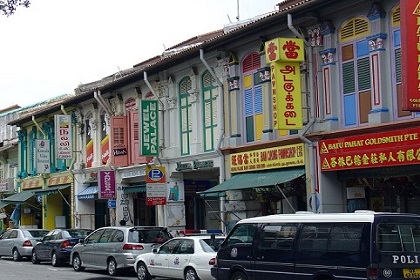
The Indian diaspora has played a significant role in deepening the country's engagement with the Indo-Pacific nations. India can leverage this soft diplomacy to play a constructive role in the region.

 Courtesy: The Independent News & Media
The Indian diaspora has played a significant role in deepening the country's engagement with the Indo-Pacific nations. India can leverage this soft diplomacy to play a constructive role in the region.
 Courtesy: Routledge India
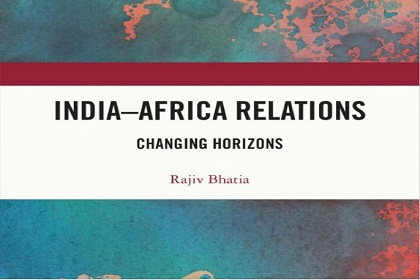
Nearly two decades since the launch of the India Development Initiative, India-Africa relations have evolved. This book by Rajiv Bhatia, a former high-ranking IFS officer, takes a deep dive into Indo-African engagement. Bhatia outlines the history and presents concise yet informative capsules of India's relationship with individual African countries. It is a useful roadmap for companies looking to do business there.
 Courtesy: Webuild
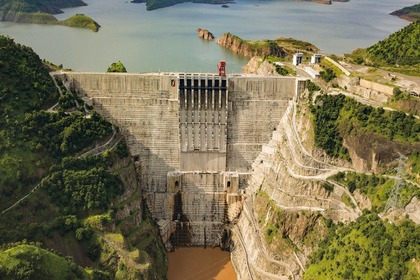
The Grand Ethiopian Renaissance Dam is a necessary infrastructure, but its politics have become complex and now enmeshed in conflict. With the second filling, the efforts to make it a technical negotiation have waned. It is again a political and strategic pressure point on Ethiopia.
 Courtesy: www.mapsofindia.com
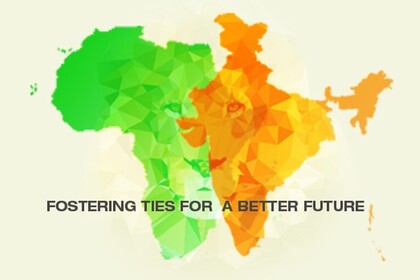
Africa is a foreign policy priority for India, but evidence shows a recent decline in bilateral trade and investment. There is already a "third scramble" for geopolitical influence in Africa. Now is the time for India to make new commitments in the continent: developing and deepening links in health, space and digital technologies.
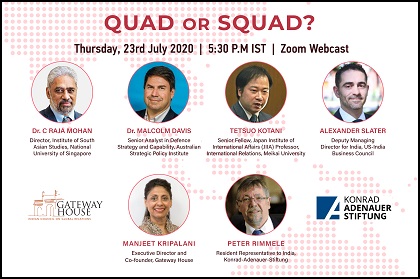 Courtesy: Gateway House
On 23 July, Gateway House co-hosted a webinar with Konrad-Adenauer-Stiftung on QUAD or QUAD?. The panel included Dr.C Raja Mohan, Dr. Malcolm Davis, Tetsuo Kotani, Alexander Slater, Peter Rimmele and Manjeet Kripalani
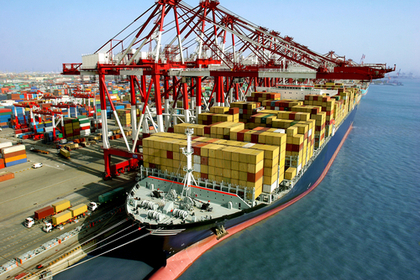 Courtesy: Shutterstock
Globalisation has resulted in the interdependence of nations through the largely unimpeded transmission of investment capital and information, and integrated business operations. The leading beneficiaries have been the global 1%, and China. While it is too late and not possible to roll back an interconnected world order, globalization as we know it will recede, as will China’s standing in the world.
 Courtesy: Gateway House
Blaise Fernandes, Director, Gateway House was in discussion with Dexter Roberts, Non resident Senior Fellow, Asia Security Initiative, Atlantic Council and author of ‘The Myth of Chinese Capitalism,’ Lauri Rechardt, Chief Legal Officer, IFPI and B.K. Syngal, Sr Principal, Dua Consulting and Former Chairman and Managing Director, VSNL.
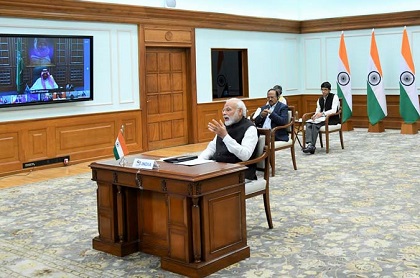 Courtesy: Ministry of External Affairs
COVID-19 unified G20 leaders at an extraordinary summit last week. An idea given a nudge by Prime Minister Narendra Modi, here was an opportunity for all participants to put together a plan and make a pledge for international cooperation, focusing on four main themes. Next, will they be able to turn words into action?
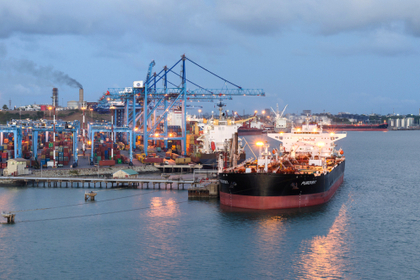 Courtesy: Shutterstock
Kenya’s Mombasa port, the gateway to East and Central Africa, has enabled the Chinese to gain better access to resources in the region and export destinations within Africa through the Belt and Road Initiative. A recent visit offered insights into some of the shortcomings of increasing Chinese investments in the region – and the scope for other countries to step in
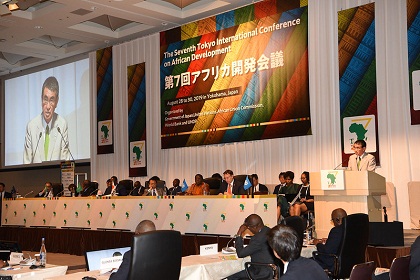 Courtesy: TICAD7/Flickr
The Seventh Tokyo International Conference on African Development was a departure from earlier editions of it. Japan, which is changing tack as a competitor to China in Africa, held back from publicising the number of heads of state present to prevent any comparisons with other such forums and made no further commitments on Overseas Development Assistance. The accent, instead, was on increasing Japanese private sector engagement