A new, consensual world order
The era of globalisation is drawing to a close and a new one is emerging—an era of bilateralism over globalisation, of domestic over foreign focus, and reality-based policy-making

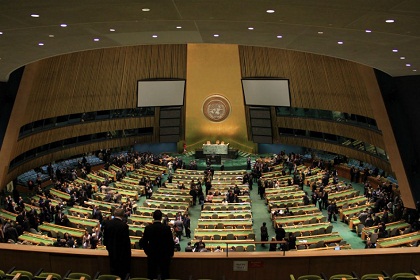 Courtesy: IB Times
The era of globalisation is drawing to a close and a new one is emerging—an era of bilateralism over globalisation, of domestic over foreign focus, and reality-based policy-making
 Courtesy: Wikipedia
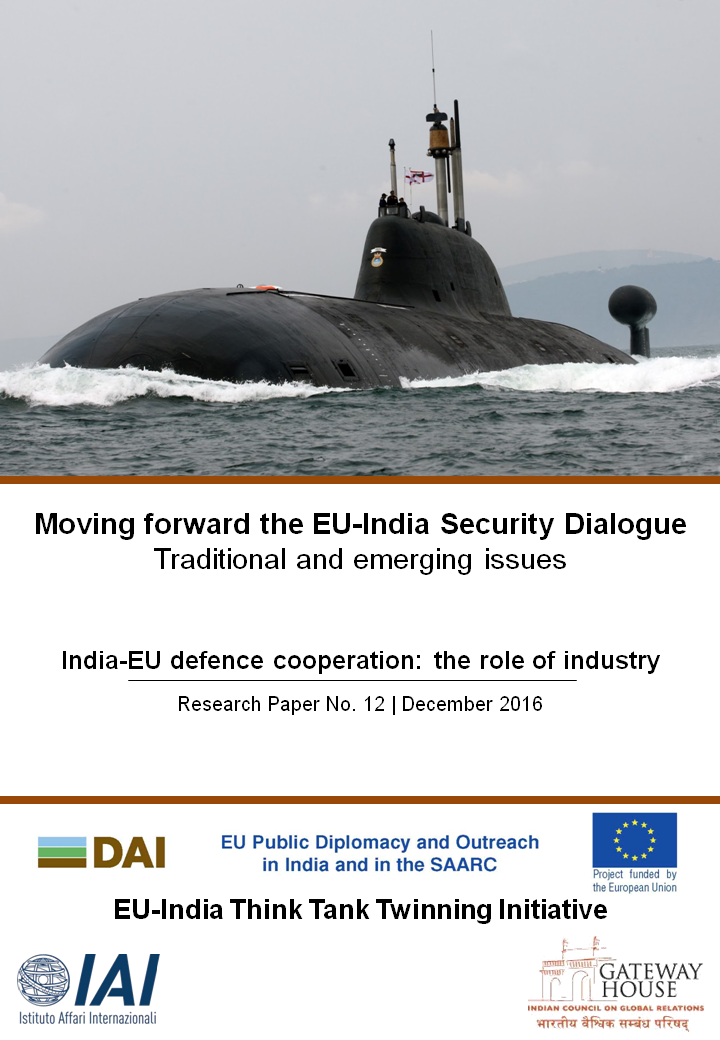
European defence companies can contribute significantly to India’s military modernisation under the ‘Make in India’ campaign. But before this can happen they will have to deepen their interactions in the country at the political and strategic levels to identify common areas of interest and understand India’s technological priorities in the sector
 Courtesy: Wikipedia
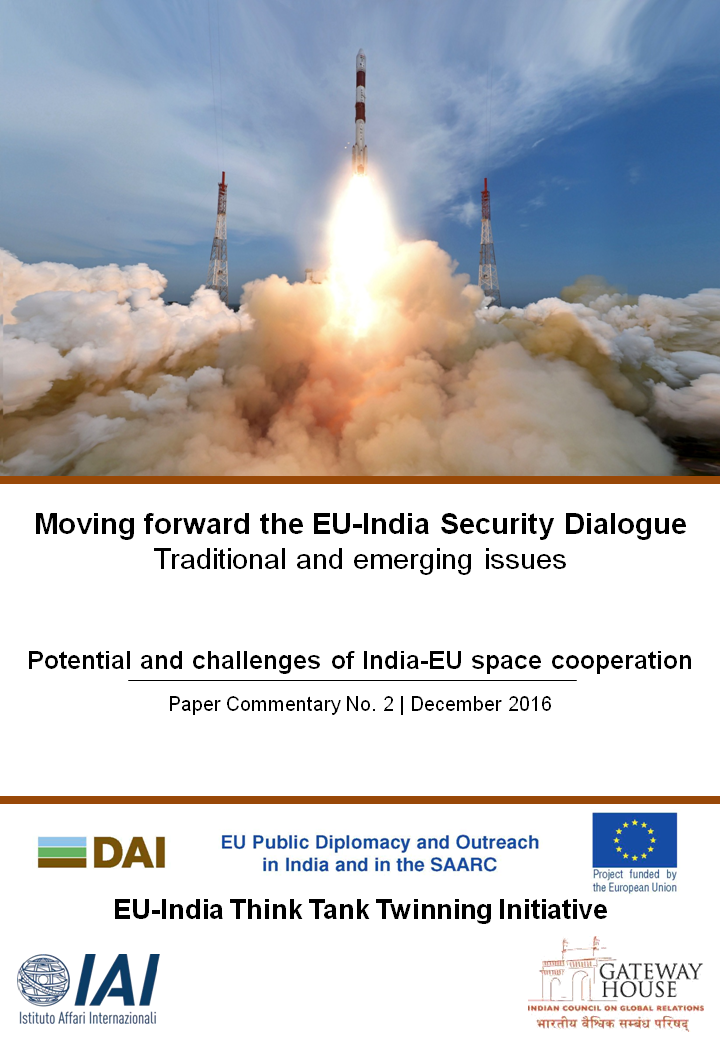
India-EU space collaboration is still nascent largely due to the EU’s limited autonomy over its space programme. Astro-geopolitics, an inevitable successor to geopolitics, requires confidence-building and furthering strengthening of bilateral linkages
 Courtesy: Flickr/ResoluteSupportMedia
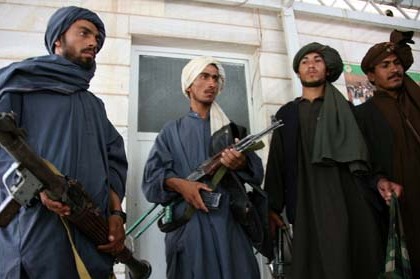
The Russians have concluded that the Afghan Taliban offer a better shield against the Islamic State than the old Northern Alliance. A negotiated settlement in Afghanistan could be achieved if Washington and New Delhi join Moscow, Beijing, Islamabad and Tehran in a joint effort.
 Courtesy: Wikipedia
Cyber cooperation between India and the European Union currently lacks a security focus despite the common threats they face. Differences persist on both sides regarding India’s data adequacy status which has resulted in a blocking of the Bilateral Trade and Investment Agreement negotiations.
 Courtesy: Gateway House
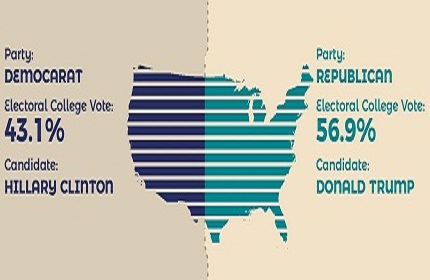
The year 2016 is the year of the divided electorate, so close were some of the election outcomes. Deep divisions lurk within voters coming from ostensibly “liberal” political cultures. The trend looks set to continue in the elections that will be fought in dozens of countries in 2017, where the votes could also be divided. Gateway House analyses these results through this infographic
 Courtesy: Wikipedia
With common objectives in the Indo-Pacific, the maritime sphere is a good opportunity for India and the EU to deepen cooperation. They must focus on preventing outbreak of an inter-state armed conflict; addressing maritime piracy; adhering to the UNCLOS; and developing maritime infrastructure and the blue economy in the region
 Courtesy: Wikimedia Commons
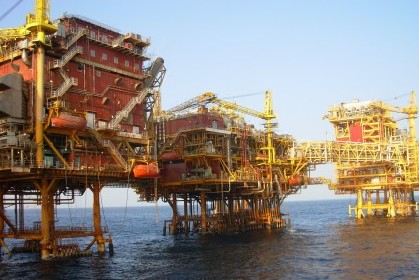
India’s gas consumption is lower than the EU’s, but it too, like the EU, relies heavily on imports. With LNG likely to remain a key part of India’s gas supplies in the future, and given recent changes in the global market, what is the future potential of LNG imports for the EU and India? What are the best energy policies for the two regions?
 Courtesy: Chemould Prescott Road Archives
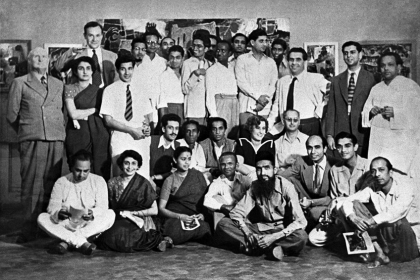
Germany’s presidency of G20 in 2017 comes at a time when the country is in a state of deep flux. But its relations with India have always been unshaken. Even 80 years ago, German-speaking immigrants, fleeing the Second World war, greatly enhanced Bombay’s cultural life
 Courtesy: Gateway House
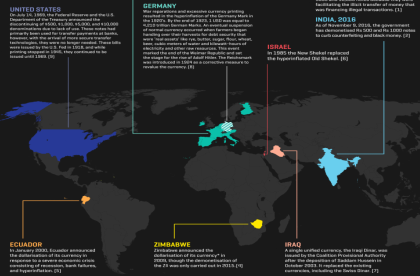
Prime Minister Narendra Modi's announcement on November 8 to demonetise notes of the denomination of Rs 500 and Rs 1000 has a precedent. This infographic traces some interesting demonetisation initiatives around the world. From discontinuation of high denomination notes due to lack of circulation, to the use of beer and water as 'real assets' in place of hyper-inflated currency.