G20’s midlife crisis
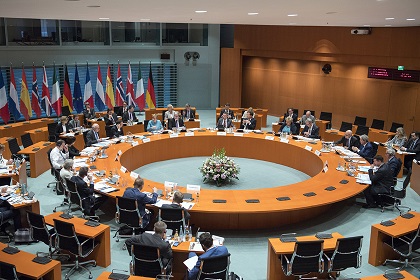
The G20’s response to the economic crisis was effective, the expansion of its scope was logical. This week’s Summit in Argentina is an opportunity to build consensus and deliver on concrete economic policy design

 Courtesy: G20
The G20’s response to the economic crisis was effective, the expansion of its scope was logical. This week’s Summit in Argentina is an opportunity to build consensus and deliver on concrete economic policy design
 Courtesy: Gateway House
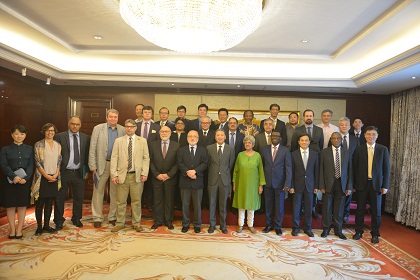
A conference of the BRICS 2017 Think Tank Forum, held in Beijing recently, showed that the grouping had progressed in influencing global governance despite some persistent intra-member differences
 Courtesy: Igor Peraza
Speakers at the ‘1st BRICS Think Tank Forum on Pragmatic Cooperation’, held in Shanghai last month, discussed ways to tackle new challenges as globalisation moves into the next phase where the BRICS countries will take the lead
 Courtesy: PiyushGoyal.in
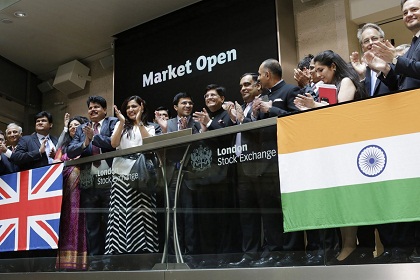
The emergence of masala bonds as a funding vehicle for Indian companies can aid India’s geoeconomic goals. Most of them are listed in the London Stock Exchange. But is India leveraging fully the rupee’s internationalisation?
 Courtesy: Gateway House
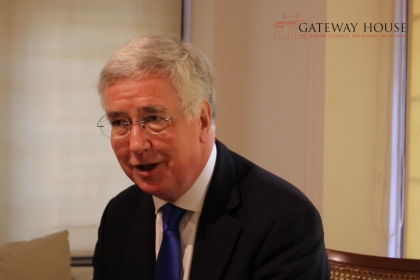
Gateway House, in collaboration with the British Deputy High Commission, hosted a roundtable discussion with Sir Michael Fallon, Secretary of State for Defence, United Kingdom. After the discussion, Gateway House interviewed the Minister about the potential for India-UK defence cooperation in dealing with traditional and cyber threats, and hybrid warfare.
 Courtesy: Consulate General of France in Mumbai
All eyes are on the outcome of the French elections next month with its portents of a far right president being the people’s choice. But it was 200 years ago that Bombay forged its French connection. Trade with France ushered in cultural influences while the city’s early nationalists were drawn to the French Revolution’s political philosophy of ‘Liberty, Equality and Fraternity’
 Courtesy: Gateway House
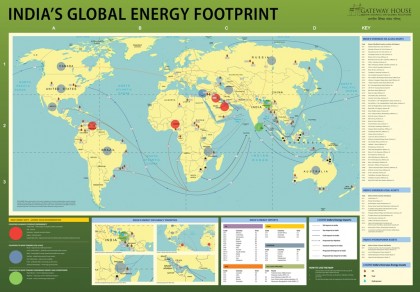
Trends in technology, geopolitics and geoeconomics have dramatically transformed the global energy scenario in the last two years. This means favourable conditions for import-dependent India, which must use the opportunities available to reduce its vulnerability to high energy prices. The jump in oil prices past the $60 mark suggests that India must act with alacrity. India’s Energy Footprint Map offers a profile of India’s global trade and investment in energy, and indicates what India can do to access cheap and reliable supplies
 Courtesy: MEA/ Flickr
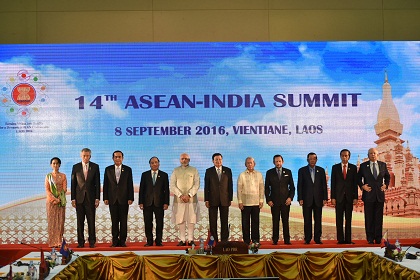
The Indo-Pacific region is home to some of the largest and most rapidly growing economies as also powerful military forces. Nuclear threats, international terrorism and climate change are some of the issues that define the region. Uncertainty dogs relations among the four nations in the top league—U.S., China, India and Japan—but what is emerging is a hawkish, policy stance from the U.S. as opposed to an isolationist outlook apprehended earlier
 Courtesy: Gateway House
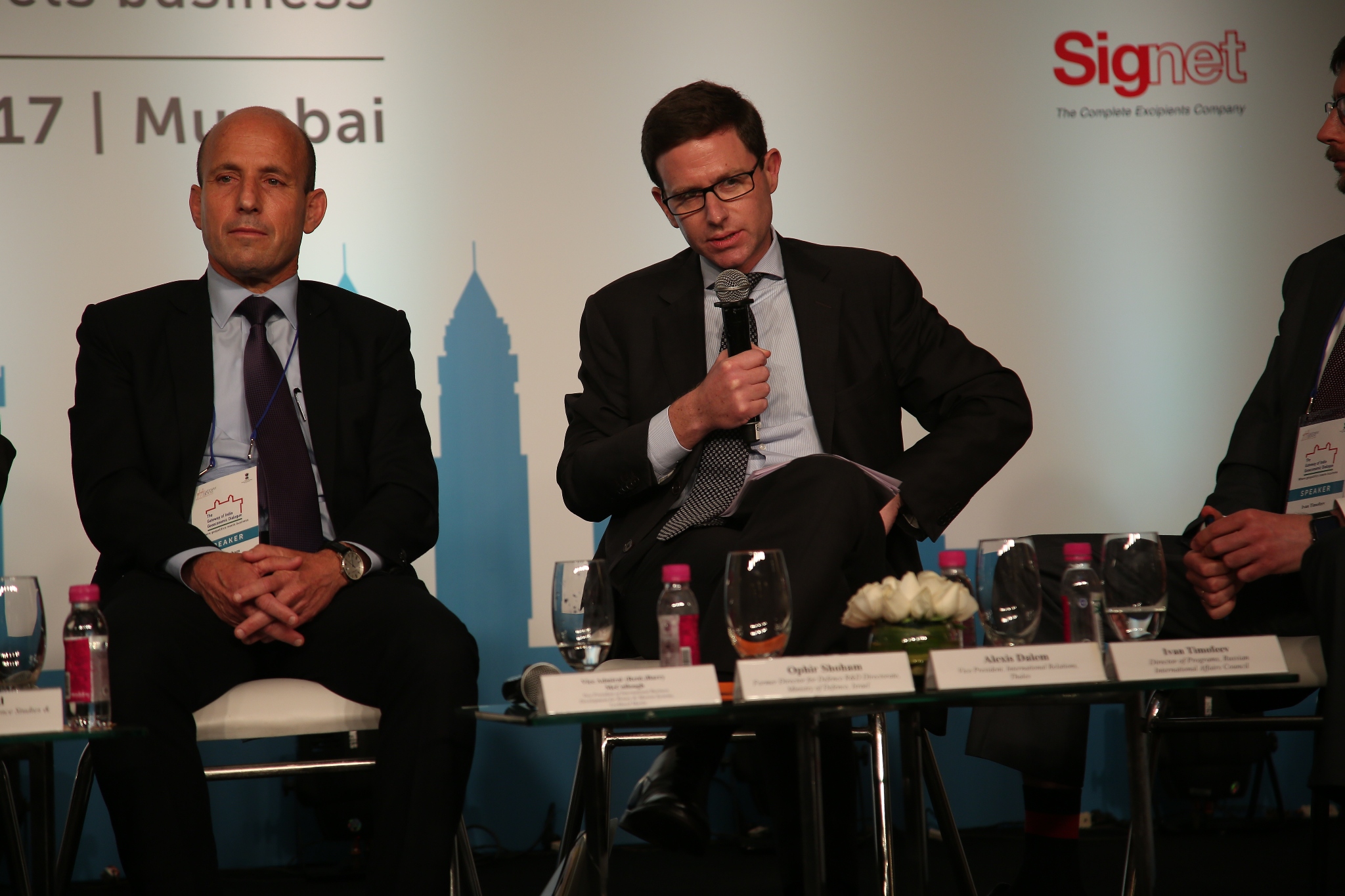
In Alexis Dalem's interview he discusses areas on which Thales and India have collaborated in the past and can collaborate in the future, in the defense, security and aerospace spheres, and under the Make in India policy. He laid emphasis on Thales's policy of willingness for technology transfer and production in India and their ambition to co-develop products and export from India, since they have a strong belief in India's industrial competitiveness and skilled workforce. He further applauds Modi's recent FDI changes in India as it allows for this technology transfer, enables Thales to retain a certain level of control in their subsidiaries in India and creates an investment positive business environment.
 Courtesy: Gateway House
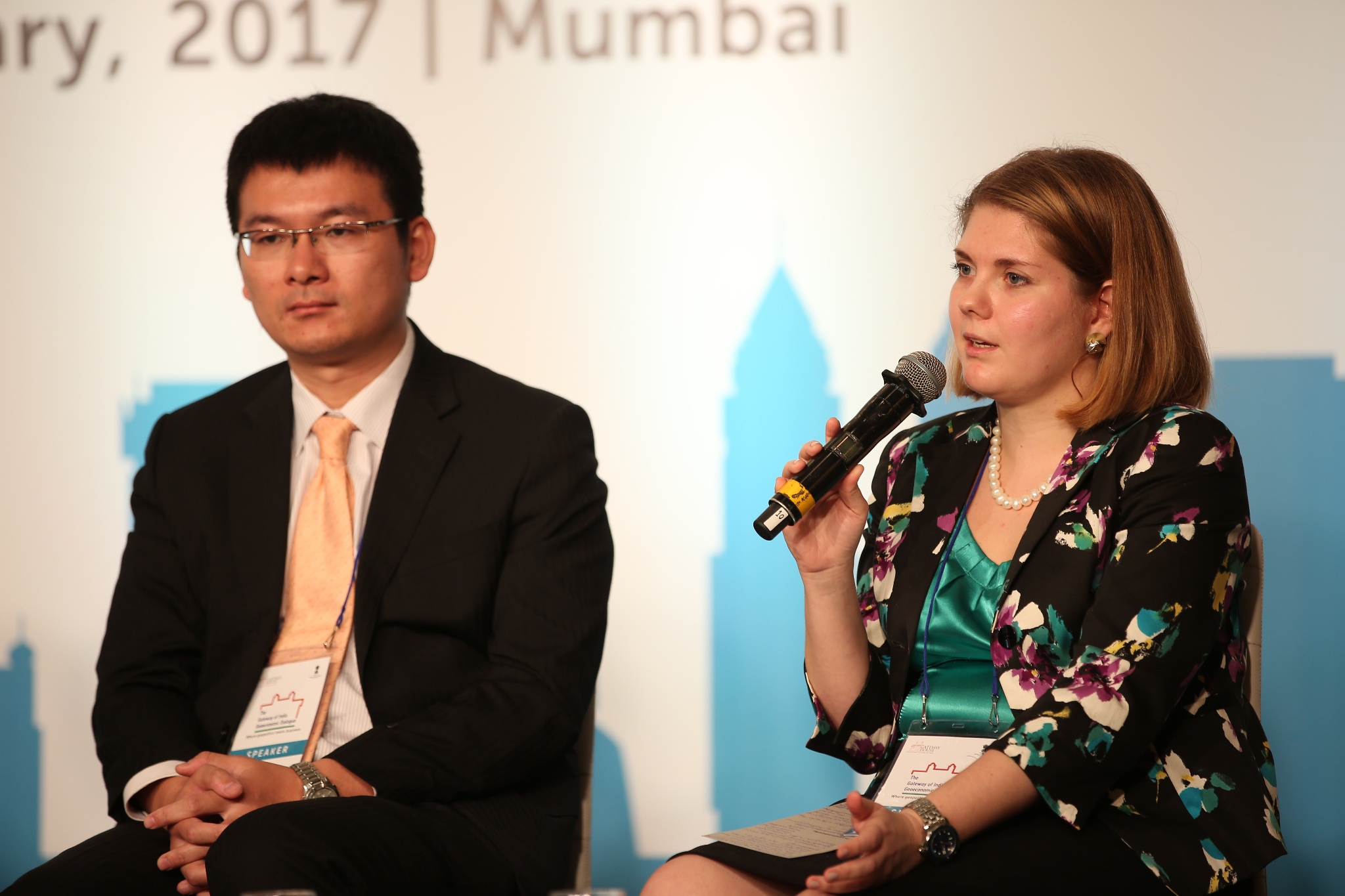
In this interview Anastasia Likhacheva discusses the impact and a few of the positive externalities of the oil price drop, sanctions and counter sanctions on the Russian economy. Despite Trump’s obvious warmth towards Russia, she doesn’t foresee any major agreements signed between the two countries due to the roadblocks that can be placed by the U.S. Congress and the U.S. Senate. She further describes the role she sees Russia undertaking in Asian financial institutions like the NDB and the AIIB in the future.