regan Courtesy: Pacom
11 April 2019

Canada in the Indo-Pacific

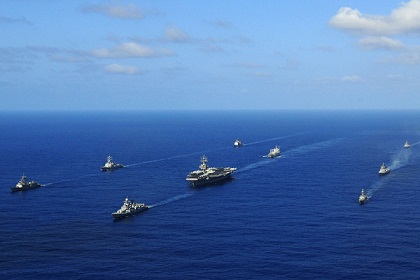
Canada, which has been slow to respond to a changing trans-Pacific neighbourhood, can join India and the ASEAN member states to embark on a trilateral dialogue on the Indo-Pacific’s importance in terms of political, strategic and other domains. An alignment in outlook can strengthen the security and prosperity of a region, currently mired in U.S.-China rivalries
ibc-center-oil-gaz-4-696x392 Courtesy: ibctrain.com
2 April 2019

India & the influential SCO Energy Club

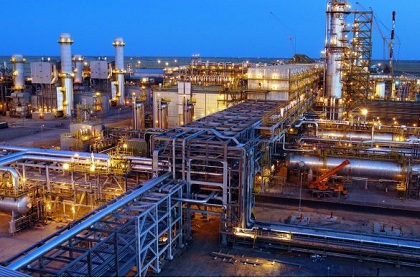
The main objective of the Shanghai Cooperation Organisation’s (SCO) Energy Club, when Russia formed it, was to market its member states’ substantial oil and natural gas reserves. This map shows some of the important natural gas pipelines, originating from Russia and its neighbouring countries that are not members of the SCO. What can India do to secure supplies from these abundant but currently inaccessible natural gas reserves?

19THPULWAMA Courtesy: The Hindu
28 March 2019

Can India sanction Pakistan post-Pulwama?

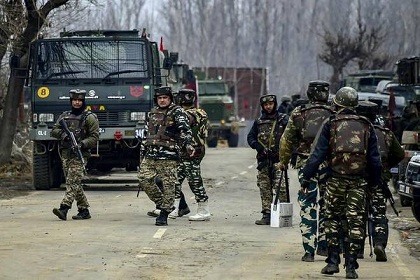
India has used military and diplomatic offensives against Pakistan as a response to the February 14 terrorist attack in Pulwama, Jammu and Kashmir. There are two more options available - legal, through sanctions, and economic - to curb Pakistan's dangerous adventurism. Gateway House explores both in the infographic below

Image Credit: Dr. Jehangir Sorabjee
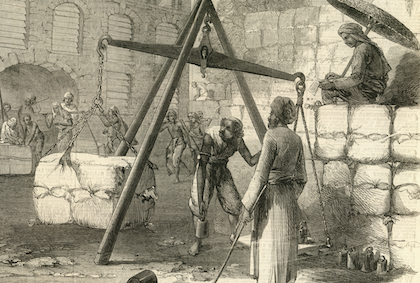
Raw cotton being weighed. Japanese firms began going to the cotton growing hinterland of Bombay by the early 20th century. These direct purchases fueled a massive export trade between Bombay and Japan. Courtesy: Dr. Jehangir Sorabjee
20 March 2019

Imperial Japan’s trade with Bombay

Prior to the Second World War, Bombay had established merchant networks with several Japanese port cities and they drove an enormous global trade in cotton and textiles between the Indian subcontinent and Imperial Japan. Business has become a renewed priority for both countries today, offering fresh opportunities for collaboration

buildings-china-city-50868 Courtesy:
20 March 2019

Three ways to resolve Chinese debt crisis

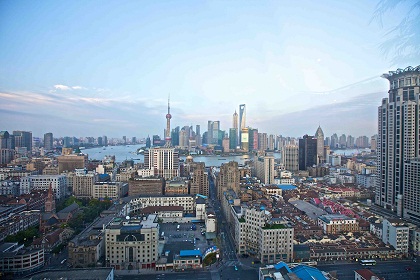
The Chinese leadership faces a range of economic problems and not very palatable solutions, says Prof Heribert Dieter, Visiting Fellow at Gateway House, Mumbai, and Senior Fellow, German Institute for International and Security Affairs, Berlin, in this wide-ranging conversation with Gateway House. He also analyses the European perspective on China, the U.S.-China trade war and the role of global forums, such as G20

modi_hasina_0 Courtesy: The Daily Star
7 March 2019

Bangladesh’s India-China balancing strategy

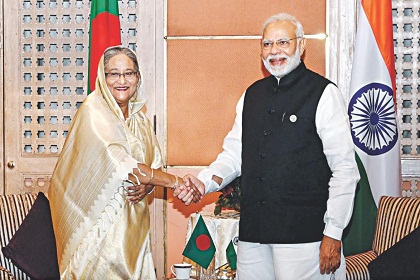
Bangladesh faces several major challenges in its external relations. It showed humanitarianism in receiving the fleeing Rohingyas, but its diplomatic efforts to repatriate them have not succeeded. It must also maintain a balance between relations with India and China and show proactive leadership in garnering regional cooperation

RadioFarda Courtesy: Radio Farda
28 February 2019

FATF: global terrorist financing watchdog

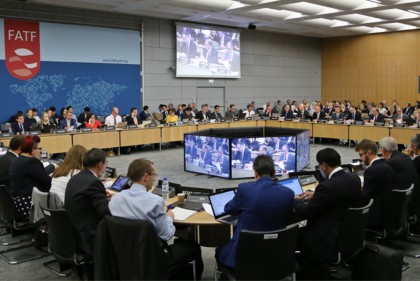
After the Pulwama attack of 14 February 2019, Pakistan has come under the international scanner for its support and financing of terrorist groups. At a meeting of the Financial Action Task Force (FATF) in Paris last week, it was pulled up for its inability to choke terrorist financing. This primer illustrates the role of the FATF in tackling terrorist financing and money-laundering, and studies its recent review of Pakistan

41608961145_bcfb0f1515_o Courtesy: MEA Flickr
26 February 2019

Indo-Pacific, the contested theatre

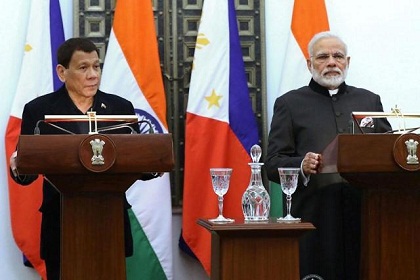
The key global powers are redefining their roles in the Indo-Pacific to promote national interest. China’s rise and increased activism in South Asia and the Indian Ocean region is an uncontested reality even as Asian countries worry about the new cold war in which the U.S. and China are locked. The Quadrilateral Dialogue has reemerged to prevent a unipolar Asia — these are some of the trends unfolding in this arena