China in IOR: ‘peaceful rise’ no more
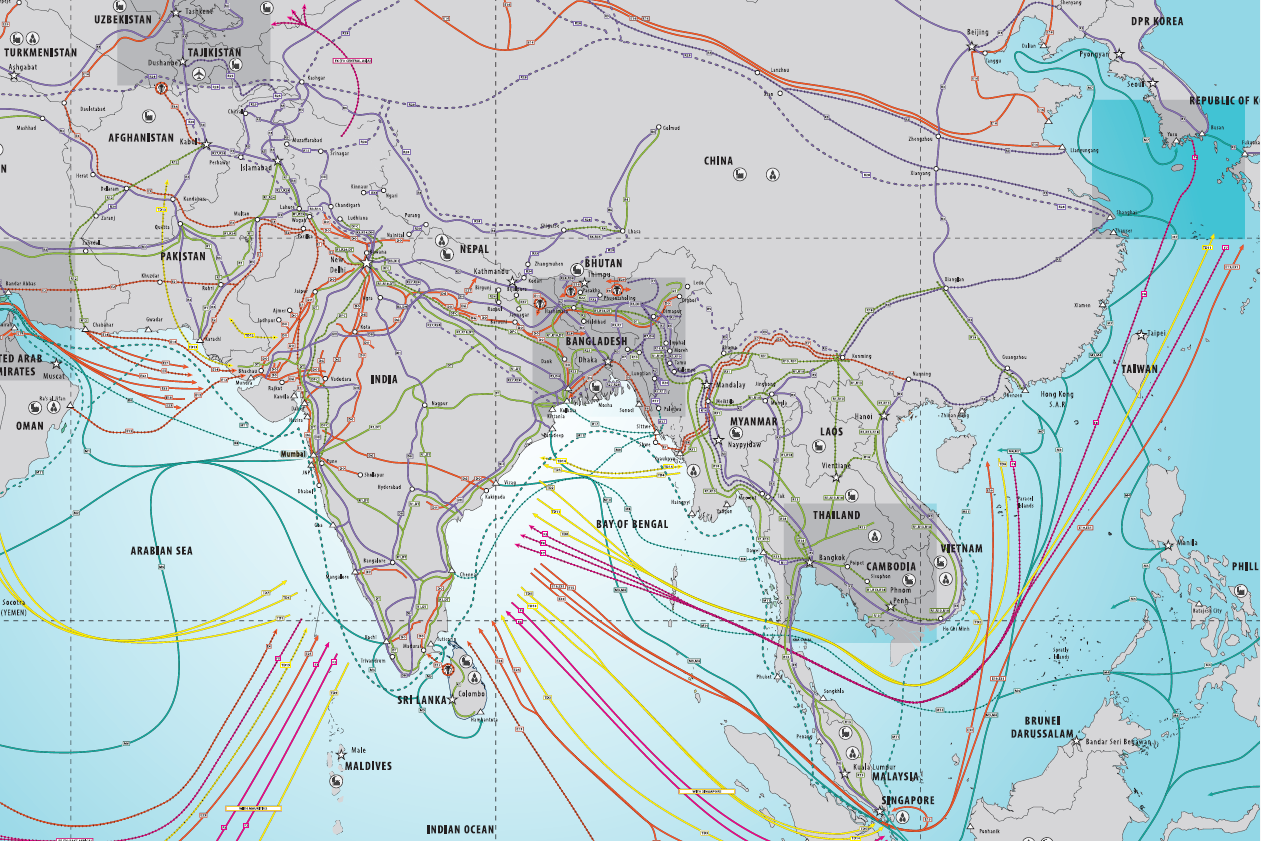
China has expanded its presence in the Indian Ocean Region. President Xi Jinping has abandoned Deng Xiaoping’s conciliatory posture for an aggressive, money-fuelled search for super power status
Courtesy: Western Naval Command
China has expanded its presence in the Indian Ocean Region. President Xi Jinping has abandoned Deng Xiaoping’s conciliatory posture for an aggressive, money-fuelled search for super power status
Courtesy: MEA/ Flickr
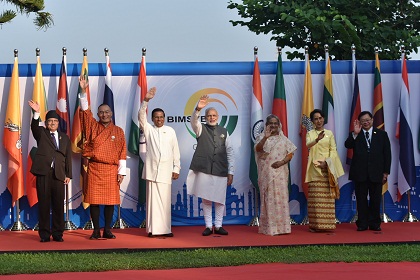
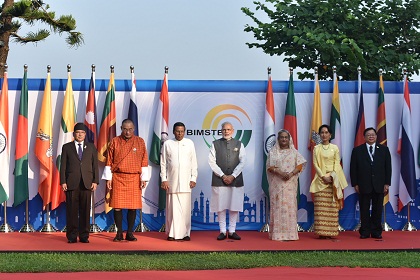
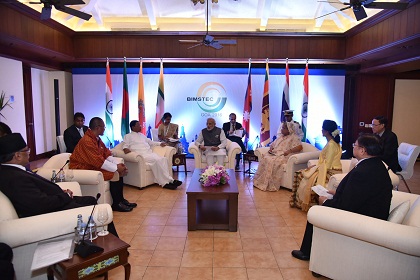
This regional grouping, which was envisioned as a potential bridge between SAARC and ASEAN, turns 20 on June 6. It achieved very little until last year, when efforts to revive its original mission began quite by accident. It has the potential to make greater strides if member states adhere to their commitments.
Courtesy: Gateway House
India’s global economic engagement, especially with the developing world, has increased in the last two decades, but trade with South Asia has remained low. It holds the potential for building greater productivity and more inclusive growth in India and the region
Courtesy: Gateway House
The two decade-old Indian Ocean Rim Association holds its first ever summit next week. Maritime safety and security in the region is a paramount concern as also enhanced trade, but will the Blue Economy be included as a priority? Another area of concern is devising modalities for cooperation with dialogue partners, such as the United States, China and Japan
Courtesy: MEA India / Flickr
Perhaps South Block did not gain as much as it had hoped to: there was a gulf in member states’ perceptions. One takeaway, therefore, for policy makers was that while noise has its uses, it is now time for some quiet diplomacy
Courtesy: Wikipedia
Does India plan to remodel its Andaman & Nicobar Islands as a launching pad for future security operations to check growing Chinese inroads in the Indian Ocean Region? Development of the islands has long been ignored to India’s detriment, and their strategic position in the Indian Ocean, underutilised.
Courtesy:
After decades of passivity, India is beginning to assert itself in the maritime arena. There is a whiff of salt in the usually 'sea-blind' corridors of Delhi, where the Modi government clearly sees the linkage between the possession of maritime wherewithal, both civilian and military, and the furthering of national prosperity, through ever-increasing trade.
Courtesy: Sudath Silva/Flickr
After losing power in January, Mahinda Rajapaksa, former president of Sri Lanka, is trying to re-enter politics by contesting for the prime minister’s seat in the elections on August 17. If he wins, it could destabilise Sri Lanka’s politics and impact relations with India, which had been hit under Rajapaksa’s rule. The future scenario will become clearer by next week.
Courtesy: Wikimedia commons
With the Modi government’s focus on improving neighbourhood relations, India cannot afford delays in its aid projects in the region—especially because aid is an effective foreign policy instrument. Why are these projects getting delayed? Is the government taking remedial steps to improve India’s aid programme?
Courtesy:
Indian foreign secretary S. Jaishankar’s visit to SAARC countries from March 1 is an opportunity to examine the political trajectories in the region. While democracy in some countries like Sri Lanka is on an upswing, in others, like Bangladesh, it is in decline. With China’s growing economic influence in South Asia, can Indian democracy be an effective counterpoint?