Key GST lessons from the world
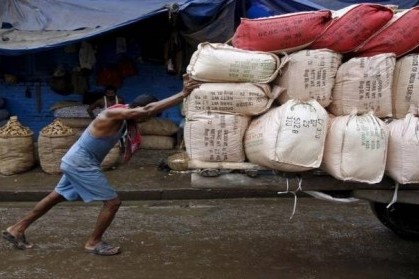
The long march to implement the long-awaited Good and Services Tax in India has just begun. It is instructive to understand how other countries introduced this tax and cherry-pick lessons from their experiences

 Courtesy: Reuters
The long march to implement the long-awaited Good and Services Tax in India has just begun. It is instructive to understand how other countries introduced this tax and cherry-pick lessons from their experiences
 Courtesy:
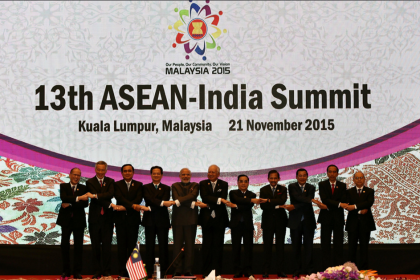
In two years, the Modi government’s Act East Policy has gone well beyond the focus on economic ties of its predecessor, the Look East Policy. It has made progress on many wider fronts, including connectivity and defence collaboration. India must now build on this success and further consolidate relations and trade links with ASEAN and beyond
 Courtesy: Wikimedia
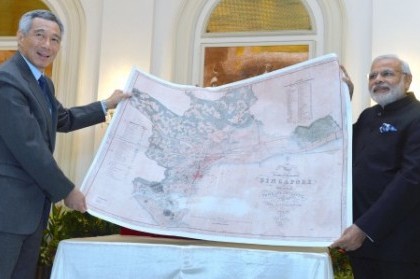
India and Singapore elevated their ever deepening relationship to a strategic partnership last year. The two countries laid out an ambitious roadmap for expansion and diversification of bilateral ties. What drives this multi-layered bilateral relationship?
 Courtesy: ustr.gov
The Trans-Pacific Partnership has dropped strong Intellectual Property Rights regulations on India’s doorstep. The implications of these regulations could affect India’s own policies, as well as her global aspirations towards the potential Regional Comprehensive Economic Partnership.
 Courtesy: PTI
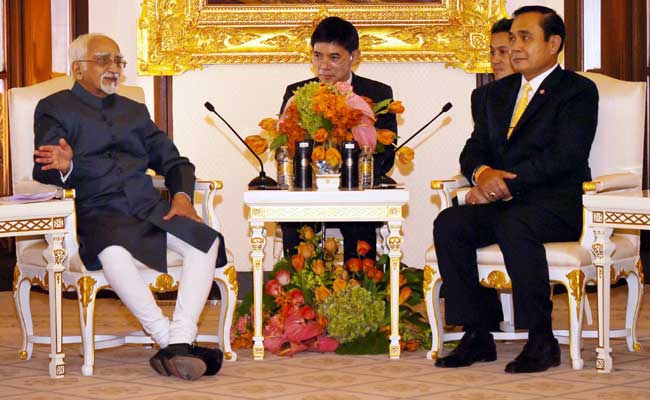
Vice President Ansari’s recent visits to Brunei and Thailand provided further clarity to the Act East Policy while advancing its implementation. He effectively showcased that the rationale for a strong India-ASEAN strategic partnership is sharper than before.
 Courtesy: ustr.gov
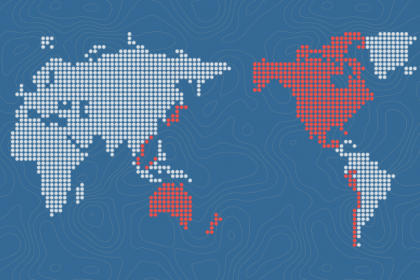
The U.S.-driven Trans Pacific Partnership agreement between 12 countries, which is aiming to become the new standard of world trade, impacts domestic systems globally. For India, it will skew investment and intellectual property rights, and especially the debate over the Investor State Dispute System which allows companies to challenge sovereign rights and public policy.
 Courtesy: Madaki/Wikimedia Commons
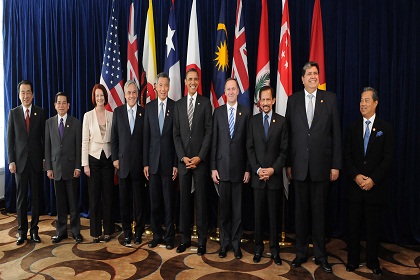
After respite from the U.S. government, Cuba now faces the daunting task of reviving its economy without having to give up on its political ideology. The Singaporean model of limited democracy is something Cuba could emulate.
 Courtesy: Wikipedia
The Trans-Pacific Partnership might soon be concluded if the U.S. Congress fast-tracks it, as recently announced, while the Regional Comprehensive Economic Partnership Agreement remains on slow-track. But the TPP, although ambitious, follows an outdated template, and it is the dynamic RCEP that can be a model for a new global rules-based framework
 Courtesy: file photo/Xinhua, Wikipedia
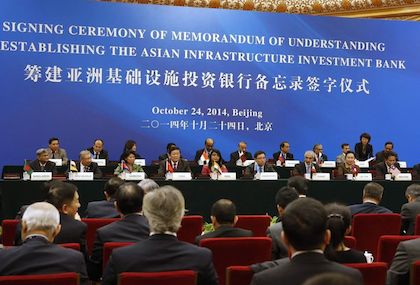
The AIIB is a step along a path that started with the Asian financial crisis, which defined ASEAN’s views about the U.S.’s commitment to the region. Although the bank may signal the rise of China, it is also a coming together of Chinese and ASEAN goals—ASEAN’s focus on infrastructure for growth requires another source of finance, and this forecasts its strong relationship with the AIIB
 Courtesy: Jennifer Le/Flickr
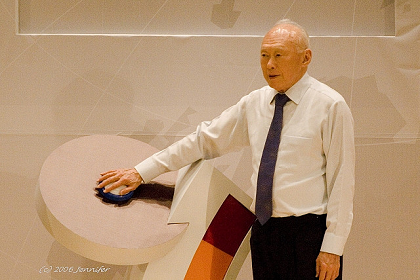
Lee Kuan Yew transformed a “pestilential and immoral cesspool” into a glittering global city with the world’s highest per capita income and the highest percentage of home ownership. Lee also had grand vision for the role that India could play in Asia.