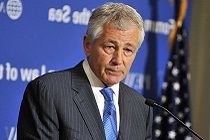
U.S. Department of Defense Courtesy: U.S. Department of Defense
11 January 2013

Chuck Hagel: Revising U.S. strategic postures?

The nomination of Chuck Hagel for the post of the U.S. Defense Secretary has garnered severe criticism from Israel and the Jewish lobby. Given the geopolitical changes unfolding in the Middle East and the rest of Asia, what will Hagel’s assumption of office mean for Israel, India and the rest of the world?
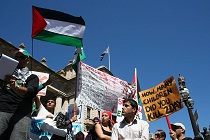
West Asia Courtesy: takver/WikimediaCommons
3 December 2012

Prioritizing West Asia

India is tied to West Asia by economic, religious and political threads. The ongoing social and political flux in the region can have adverse consequences for India and requires a serious rethink of its foreign policy priorities. How can India insert itself usefully into this geopolitical cauldron?

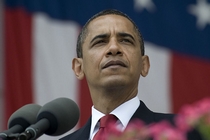
obama second term_0 Courtesy: U.S. Navy
10 November 2012

The second term

U.S. President Barack Obama will certainly have the benefit of continuity in his second term, but he has a range of impending crises to address immediately - be it to avert the so-called fiscal cliff before the end of the year when automatic cuts kick in or plan for the military drawdown from Afghanistan.

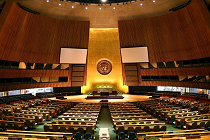
UNGA piece Courtesy: Patrick Gruban/WikimediaCommons
5 October 2012

UN General Assembly, partial attention

Is a focus on a nuclear Iran in international forums such as the UN General Assembly necessary and appropriate? At a time when other crises – including Syria and Palestine – require the world’s undivided attention, this inordinate focus raises major concerns.

Courtesy: FREEDOM HOUSE2/FLICKR
24 August 2012

Syria: What next?

With the Free Syrian Army being supplied aid by the West and the Gulf Cooperation Council countries, the endgame for the Syrian regime has begun. Does Assad's exit guarantee the replacement of autocracy with democracy? What implications will it have on regional politics?

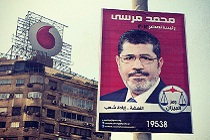
morsi_0 Courtesy: gr33ndata/Flickr
9 August 2012

Islamism and democracy

The involvement of Islamists in democratic movements is usually dismissed as a mere ruse to attain political power. However, evidence suggests that people in Muslim-majority democracies support Islamist groups which challenge a dishonest government, rather than those who seek to establish Islamic autocracy.

Courtesy: Flickr/RamyRaoof
25 June 2012

Egypt remains the key

The presidency of Mohamed Morsi, the Muslim Brotherhood's candidate, will have a defining influence both in Egypt and the region. Having won the battle through the ballot though, will Muslim Brotherhood also be willing to cede power through the ballot?

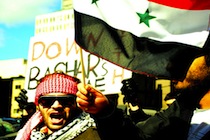
5564587370_fb077e785f Courtesy: freeedomania/Flickr
29 February 2012

Where is Syria headed?

As the al-Assad regime faces increasing international pressure to step down from power, Syrian President Bashar al-Assad attempted to make political reforms recently. However, Syria has strong relations within West Asia and the denouement will profoundly impact developments in this region.

Maldives: Nasheed outpaced his people Courtesy: notsogoodphotography/Flickr
16 February 2012

Maldives: Nasheed outpaced his people

Despite recent regime changes and agitation in the Middle East, the international community's attention has been diverted from the Indian Ocean - via Maldives. After President Nasheed's forced resignation, the country is now in political turmoil.

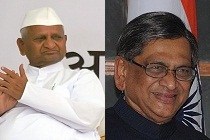
anna hazare 2 Courtesy: nazeah/Wikimediacommons - Ramesh Lalwani/Flickr
30 December 2011

2011’s Top Foreign Policy Cheers and Jeers

The year 2011 saw various events - the Arab Spring, anti- corruption protests, Europe's sovereign debt crisis - transform countries and reshape the world order. Gateway House takes a look at what these events mean for India, and presents India's top foreign policy cheers and jeers for the year.