Energy-bereft world in darkness
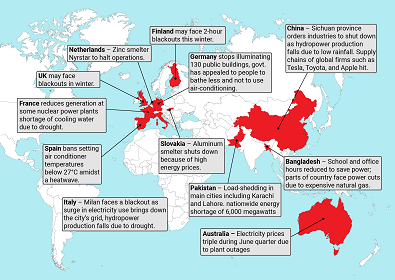
Sanctions against Russian energy, high cost fuel, heat waves and droughts all at once have raised the price of daily energy use to unprecedented levels and plunged large parts of the world into darkness.

 Courtesy: Getty Images
Sanctions against Russian energy, high cost fuel, heat waves and droughts all at once have raised the price of daily energy use to unprecedented levels and plunged large parts of the world into darkness.
 Courtesy: Narendra Modi/Facebook
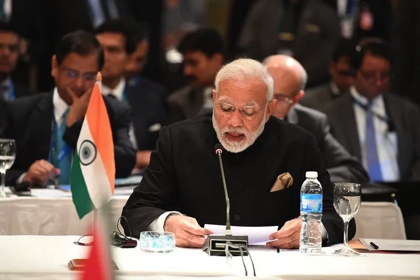
India will be president of the G20 in 2023. The world’s most influential economic governance body is facing an existential crisis, where the major powers have fallen out. With geopolitical currents redefining geo-economics, India needs to be ready to emerge as the chief global diplomat.
 Courtesy: Reuters
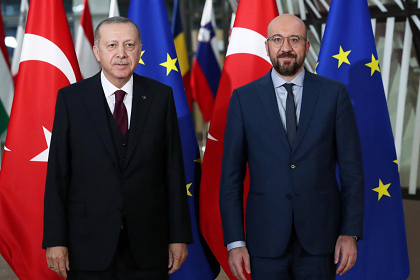
The Ukraine crisis has sent the EU scrambling for new gas supplies, generating fresh interest in gas pipelines from Central Asia and West Asia via Turkey. Practical difficulties make most of these new projects unviable.
 Courtesy: telegraphindia.com
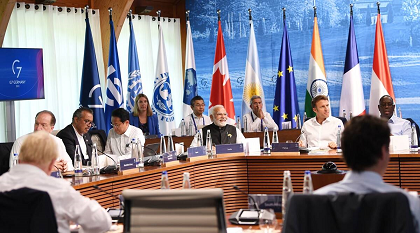
The G7 has reached out to emerging economies which have, of late, been facing challenges on the economic front, brought on by the lingering pandemic and the mismanagement of the Ukraine crisis. They are also seeking, from the global south, a broader acceptance of their world view. Will it be forthcoming?
 Courtesy: The Loadstar
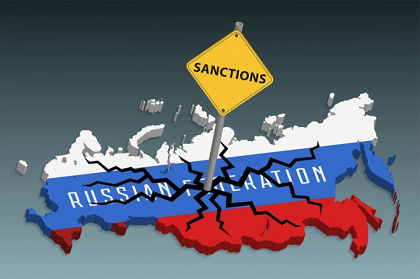
The West is using the Ukraine crisis as a watershed moment to weaponize sanctions in a volatile global setting. This infographic shows the extent and scale of Western sanctions against Russia, both public and private, across different sectors, and in a coordinated manner.
 Courtesy: The Print
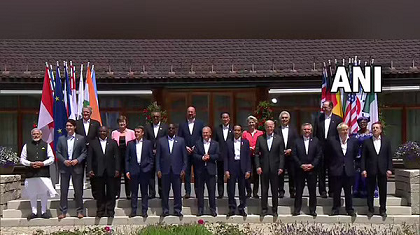
The shadow of the Ukrainian war was visible at the G7 summit. Anti-Russian formations were expected, but the extensive reference to China drew attention. The leaders did their part by extensively discussing challenges relating to climate, energy, environment, health, and food security. It is now for the G7 governments to deliver, to be taken seriously.
 Courtesy: Shutterstock
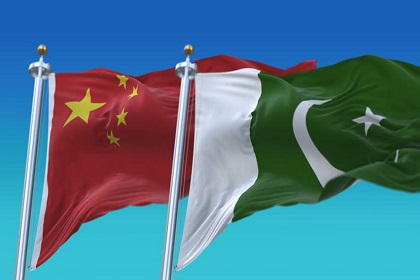
Pakistan’s latest economic survey reveals the extent of the country’s indebtedness to China. High-interest Chinese loans, reckless multilateral borrowing, and ever-increasing defence budgets have deleteriously impacted Pakistan’s finances. Any lasting solution to these problems will have to involve China.
 Courtesy: TIME Magazine
The attempts of responsibility-transfer of asylum-processing and refugee-protection by the UK and Denmark to Rwanda, reflect a fundamental shift from the conventional principle of territorial asylum and set an undesirable precedent. Deporting the vulnerable to countries with perpetual internal socio-political and economic issues and inadequate asylum infrastructure, will gravely compromise their safety, welfare, human rights and benefit claims as refugees.
 Courtesy: CRN India
On 31 May 2022, Amb. Rajiv Bhatia delivered keynote address at the panel discussion on Emerging and Critical Technologies in the Indo-Pacific: Opportunities and Challenges, organised by the Kalinga Institute of Indo-Pacific Studies. Amb. Bhatia elucidates on usage of technology in modern warfare, especially the Ukrainian war, while also stressing those critical technologies in the Indo-Pacific can provide a fillip to sustainable development in the region.
 Courtesy: Mint
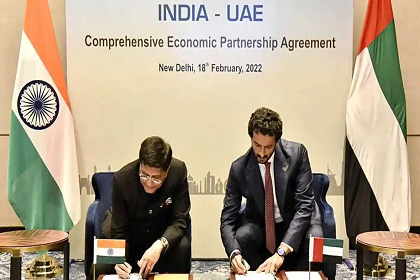
On February 18, India and the United Arab Emirates (UAE) signed the Comprehensive Economic Partnership Agreement (CEPA). This is a modern trade agreement with its roots in the erstwhile Bombay Presidency’s administration of the nine Emirati kingdoms.