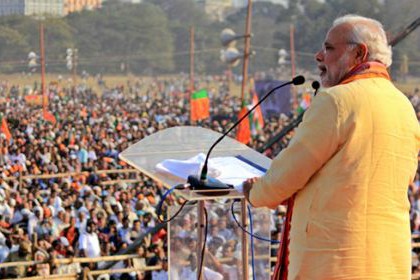
The state of the American Union
The state of the American Union is both polarised and ironic. Moderated presidential messaging is needed if there is a chance to become more united and avoid perpetual acrimony

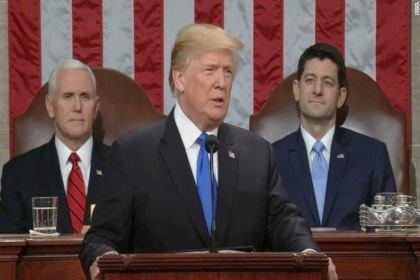 Courtesy: cnn.com
The state of the American Union is both polarised and ironic. Moderated presidential messaging is needed if there is a chance to become more united and avoid perpetual acrimony
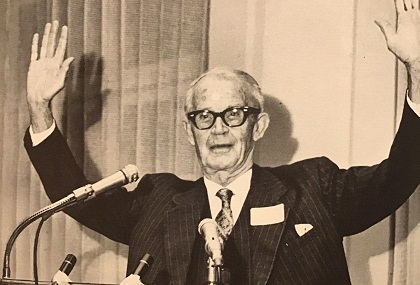 Courtesy: Alice Lewthwaite
International House, a home-away-from-home for foreign students, was begun in the 1920s by Harry and Florence Edmonds, an idealistic New York couple whose mission was to foster understanding and tolerance. An Edmond family scion suggests the time is right for India, with its growing global profile, to have an I-House too
 Courtesy: Foreign Affairs
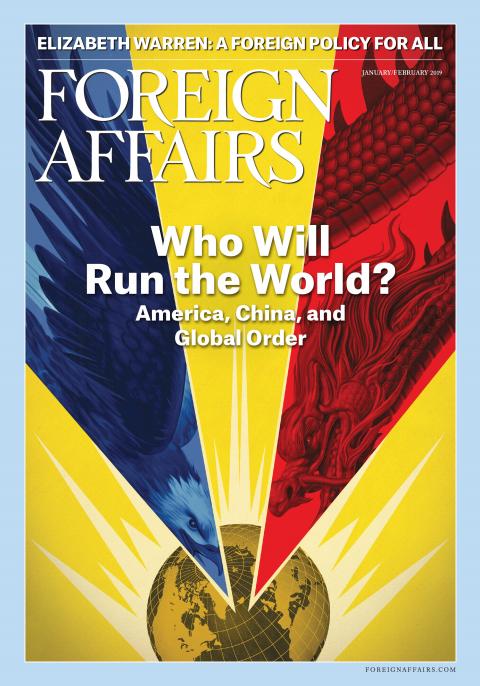
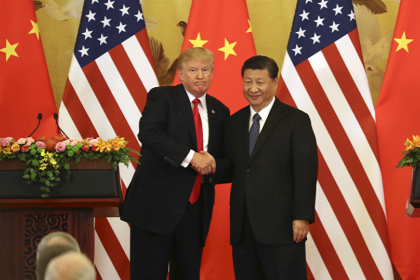
Although China does not want to usurp the United States’ position as the leader of a global order, its actual aim is nearly as consequential. As one Chinese official put it, “Being a great power means you get to do what you want, and no one can say anything about it.” In other words, China is trying to displace, rather than replace, the United States.

This vivid portrait of socialist India, by giving primacy to the political background that determined Indira Gandhi’s responses, is different from the yearly ritualistic denunciations of her and the Emergency. It also has a story-teller’s flair, making it accessible to readers born well after 1975
 Courtesy: MEA/Flickr
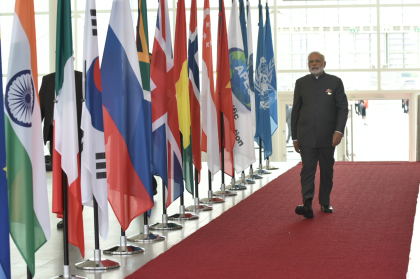
The following remarks were given by Ambassador Rajiv Bhatia, Distinguished Fellow, Foreign Policy Studies, Gateway House as Distinguished Guest Lecturer at IIM Tiruchirappalli on February 3, 2019
 Courtesy: MEA Flickr
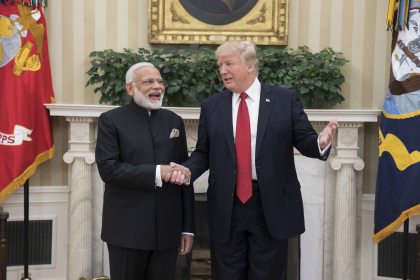
The imperative for India to move away from its non-aligned posture is now, especially if it wants to be consequential in the global reordering underway. This will play out in the contention between the U.S. on one side, and China and Russia on the other.
 Courtesy: Sputnik News
Speakers at the seventh Atlantic Dialogues, held in Morocco earlier this month, discussed what the challenge to western dominance and China’s expansionism meant for their political and economic future
Academic and columnist M.D. Nalapat, in this interview with Manjeet Kripalani, speaks of how a tardy bureaucracy has brought about “a too-cautious” policy towards the U.S. and China as opposed to the former Gujarat chief minister’s greater openness in consulting people before handing over policy implementation to the bureaucracy. He also discusses the prime minister’s shrewd approach to South Asia, the dependable warmth of the Japanese and a range of other topics
 Courtesy: Foreign Affairs
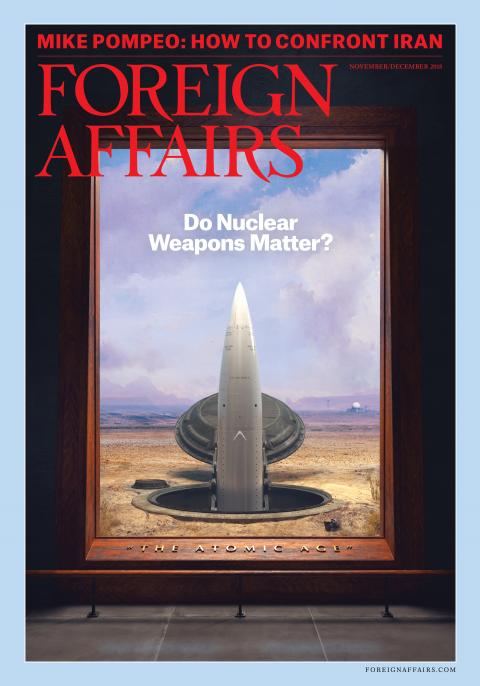
Experts estimate the likelihood of a U.S.-Chinese nuclear crisis as “somewhere between nil and zero.” This assurance is misguided. The United States' signature approach to conventional warfare would be a potential recipe for nuclear escalation.
 Courtesy: Wikimedia Commons
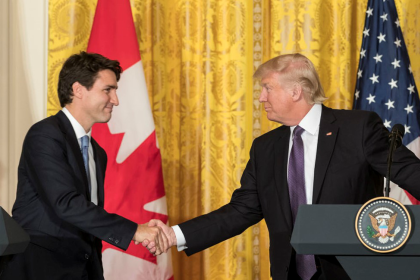
The United States, Europe and the Asia Pacific today form Canada’s tripartite foreign policy priorities. The ASEAN is its sixth largest partner, which was not so 20 years ago, but economic engagement with India – still small, compared to China and Japan – has scope to grow