Bhatia article image Courtesy: Gateway House
17 February 2022

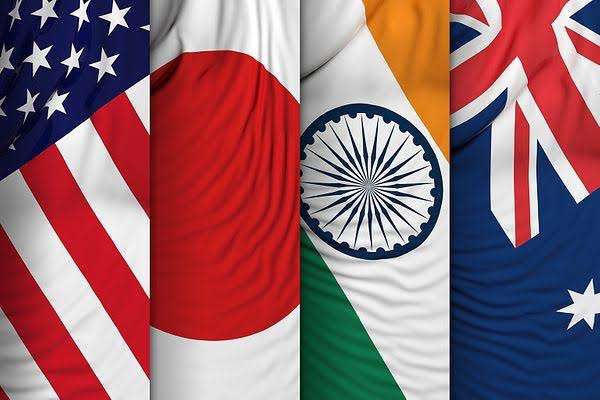
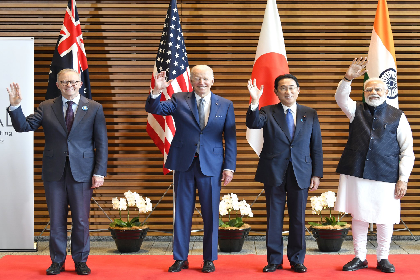
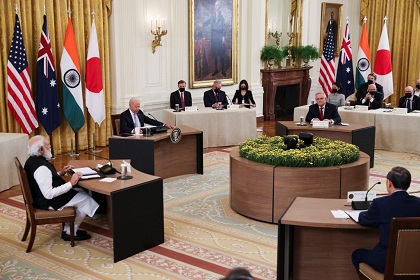
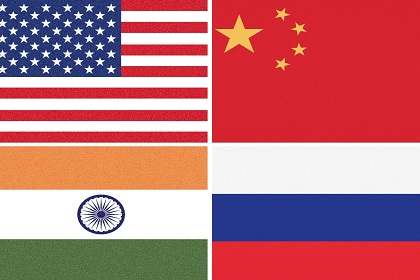
Has global geopolitics turned multipolar?

The Quad Foreign Ministers' meeting held on February 11 is the latest example of growing geopolitical cooperation. Several loci of power have emerged, indicating the end of the post-Cold War western hegemony. China's rise and alliance with Russia hints at a bipolar tendency in this nascent global multipolarity. India must ensure power distribution in Asia by sharpening its diplomacy to achieve its own interest - true multipolarity in Asia.

myanmar india newsclick Courtesy: NewsClick
27 January 2022

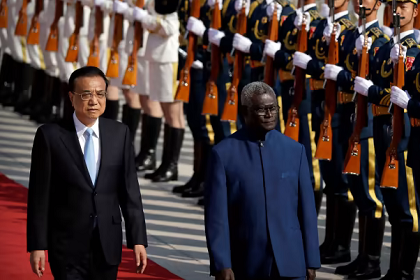
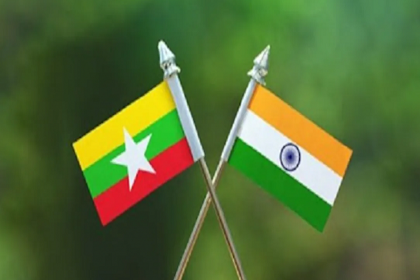
National Security Conversation: India-Myanmar relations

Foreign Secretary Harsh Vardhan Shringla's visit to Myanmar has implications for New Delhi's recognition of the new military government in Naypyidaw. India can support ASEAN to stabilise Myanmar, while also checking Chinese influence in that country. For stability in the neighbourhood is crucial to India's own security.

Indian,Ocean,Military,Boat,Reunion,Island Courtesy: Shutterstock
20 January 2022

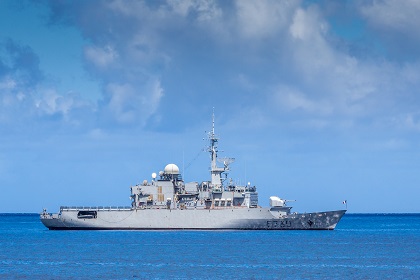
The Indo-Pacific opportunity in 2022

Nine great powers and a number of important multilaterals have vested interests in the Indo-Pacific. Given the U.S.-China standoff in the region, the role of new groupings like the Quad and AUKUS is significant. The time is ripe for India to use its position in the region, and convert its humanitarian duties into economic and strategic opportunities in 2022.

Europe - IP Courtesy: Club of Three
18 November 2021

Indo-Pacific through the European prism

The EU's Indo-Pacific strategy, released in September, set the tone for a renewed focus on the region. Europe's Asia connect is rich, strong and multi-layered, laying the foundation for an advantageous position for the EU in the Indo-Pacific. This can be achieved if the EU is more candid with itself, more assertive with China, and more cooperative with India.

The China-Pakistan-Taliban-Iran nexus Courtesy: Xinhua
11 November 2021

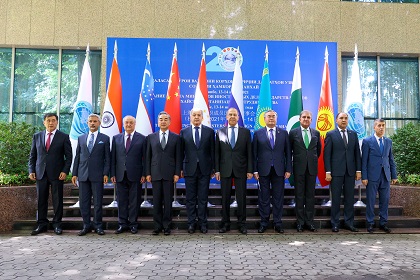
The China-Pakistan-Taliban-Iran nexus

China has followed Sun Tzu’s strategy of focussing on alliances - building its own and weakening those of its adversaries. Beijing’s carefully nurtured formations in West and Central Asia are part of this global power projection, especially with Pakistan, Iran and now, the Taliban, through projects like the Belt and Road Initiative. India must recalibrate its China policy and push for concerted regional responses to emerge as a balancing force against it.

G20 Rome summit, marching ahead Courtesy: G20
4 November 2021

G20 Rome summit, marching ahead

The Oct 30-31 G20 Leaders’ Summit in Rome took several important steps to accelerate economic recovery and health security. In the absence of several Eurasian leaders, India played a significant role especially on climate and energy. The G20 will now acquire greater salience in India's foreign policy, as it readies to lead the grouping in 2023.

2021 ASEAN's new realities Courtesy: Reuters
2 November 2021

2021 ASEAN’s new realities

ASEAN summits often tend to be routine affairs with long joint communiques. But the 26th October Summit had interesting dimensions. ASEAN had to balance Indo-Pacific rivalries, suspend Myanmar from attending, and expedite trade services agreements. As it seeks to expand its global engagement, ASEAN must remember to remain an area of solace and stability for its members.

Nepal's role in Asia through SAARC and BIMSTEC Courtesy: Khabarhub
7 October 2021

Nepal’s role in Asia through SAARC and BIMSTEC

On 6 October 2021, Ambassador Rajiv Bhatia, Distinguished Fellow, Foreign Policy Studies Programme, spoke to Dr. Pramod Jaiswal, Strategic Affairs Editor at Khabarhub on the role of Nepal in BIMSTEC and SAARC, in an analysis of the 17th BIMSTEC ministerial meetings. He also highlighted the role of SAARC and BIMSTEC in countering Chinese influence in the region.