china-solomon Courtesy: Financial Times
21 April 2022

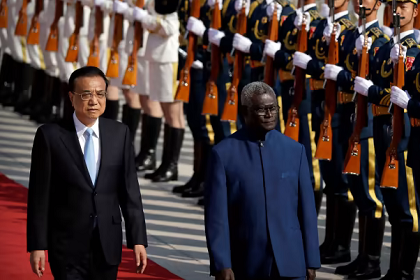
Economic and human security in the Indo-Pacific

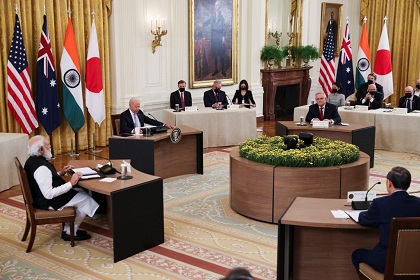
China has established a dominant presence in the Indo-Pacific through exploitative economic engagements. This has destabilised smaller nations in the region and made them dependent on Chinese support. For a free and open Indo-Pacific, India must press its advantage in human and economic capacity building.
Untitled design (6) Courtesy: Gateway House
10 February 2022

Panel Discussion on India in the Indo-Pacific

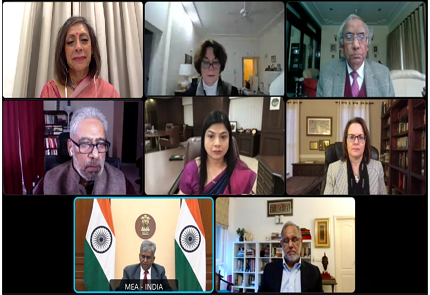
On 1 February 2022, Gateway House and the U.S. Embassy, New Delhi, co-hosted a panel discussion on India in the Indo-Pacific: Pursuing Prosperity and Security. The panelists explored the comprehensive role that India can play in the Indo-Pacific from the perspective of business, think tanks, academia and diplomacy.

today hong kong horizontal Courtesy: Macmillan
31 January 2022

Today Hong Kong, Tomorrow the World

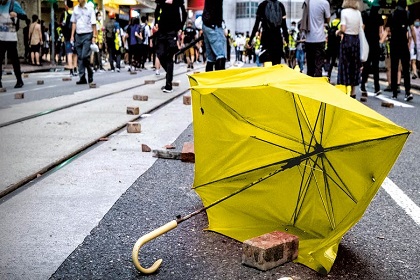
The contemporary fate of Hong Kong, which has known freedom and rule of law, offers in microcosm a glimpse of what could happen if the liberal world order is up-ended. In this book, Mark Clifford convincingly argues that what happens in Hong Kong doesn’t stay in Hong Kong, as he draws connections between the techniques used to end freedom there with China’s penetration and manipulation of open societies elsewhere.

myanmar india newsclick Courtesy: NewsClick
27 January 2022

National Security Conversation: India-Myanmar relations

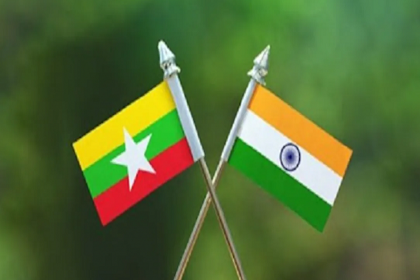
Foreign Secretary Harsh Vardhan Shringla's visit to Myanmar has implications for New Delhi's recognition of the new military government in Naypyidaw. India can support ASEAN to stabilise Myanmar, while also checking Chinese influence in that country. For stability in the neighbourhood is crucial to India's own security.

Biden and Xi walk toward detente? Courtesy: Wall Street Journal
25 November 2021

Biden and Xi walk toward détente?

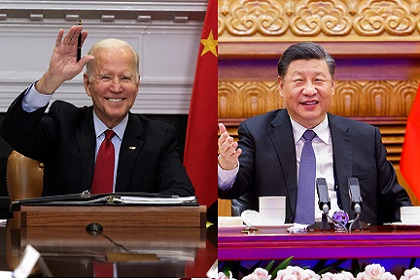
On November 15, the presidents of the U.S and China met for the first time since Joe Biden was sworn in earlier this year. The main purpose was for the two heads of state to get to know each other and establish a line of communication. If this is Cold War 2.0, with similarities to, as well as differences, from Cold War 1.0, then what the Biden administration has in mind is something akin to détente, with some scope for cooperation, especially on climate change.

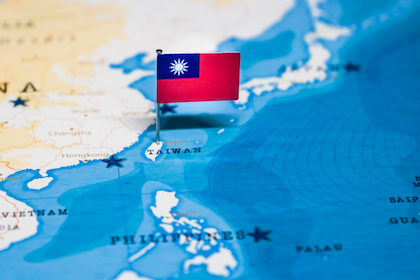
Taiwan: Changing Indo-Pacific balance Courtesy: Shutterstock
3 November 2021

Taiwan changes the Indo-Pacific balance

The notion of “peaceful reunification” of China with Taiwan has been a geopolitical fiction that has been now shredded by Beijing’s talk of taking Taiwan by force. Should Taiwan go under and much of Asia fall to Chinese hegemony, India’s interests will be as threatened as America’s, or perhaps even more.

20 years after 9/11, has the U.S. learnt from its mistakes? Courtesy: The New York Times
16 September 2021

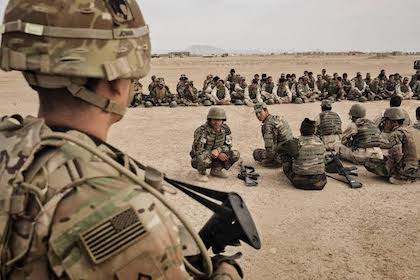
U.S. 2001-21: Of Friends and Foes

After 9/11, the threats to America are right where they were 20 years ago: still in Afghanistan, and now backed by the strength of a state. What happened to America, that “shining city on a hill” that beckoned brightness to its shores and won allies? Some self-delusion, a belief that it was still the global monarch after World War II and the inability to distinguish between friends and foes.

Imperial powers: Leaving chaos behind Courtesy: U.S. Air Force
9 September 2021

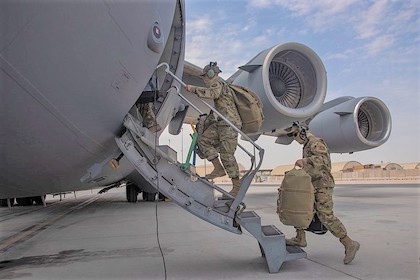
Imperial powers: Leaving chaos behind

The withdrawal of U.S. and NATO troops from Afghanistan is not the first time that a hasty and messy departure of foreign forced has taken place. History is replete with examples of imperial powers suddenly leaving countries that they secured for years, without ensuring a peaceful transition of power. The sub-continent has now seen it twice, the last time was in 1947, when the British preponed their withdrawal from India, hastily partitioning the country and leaving a region at war with itself. Ambassador Neelam Deo, co-founder, Gateway House, explains why and how this happens.