longmen Courtesy: UNESCO
9 January 2025

India-China: learning from each other

India and China are the world’s most populous countries, with much in common and much divergence. Reform, discipline, long-term thinking and scale brought China to its present near first-world conditions; India is accommodative with its democracy, cultural diversity and all-round religiosity to achieve development, wealth creation, cultural preservation and self-respect. There’s a great deal that the two Asian giants can learn from each other.
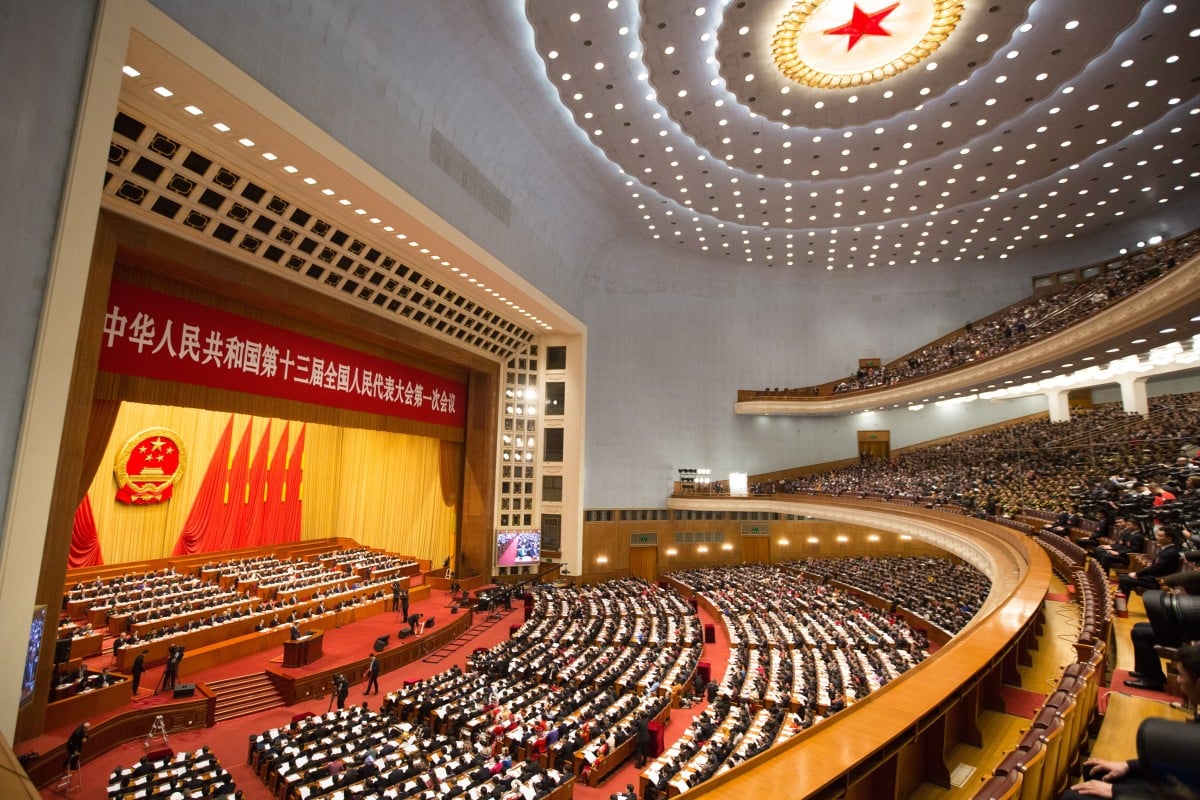
China NPC Courtesy: South China Morning Post
22 April 2024

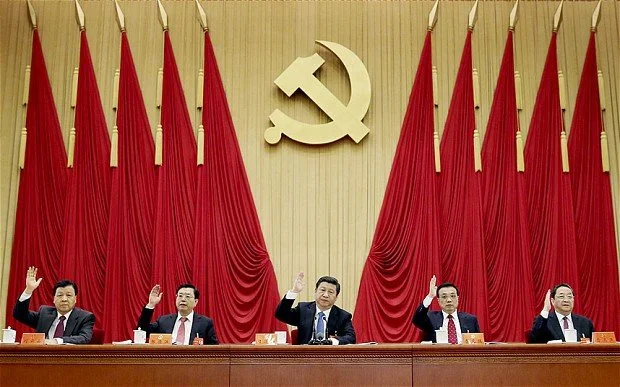
Two Sessions of China 2024

The recently-concluded National People’s Congress or Two Sessions in Beijing didn’t surprise much. But a thorough analysis reveals departures from the past – not holding a press interaction after the meeting, and further consolidation of domestic power by the Communist Party of China. Of note to India is the delinking of China’s defence budget from the country’s rate of growth – meaning freedom to enhance its military’s capability.

GSI Cover IMage Courtesy: Global Times
22 February 2024

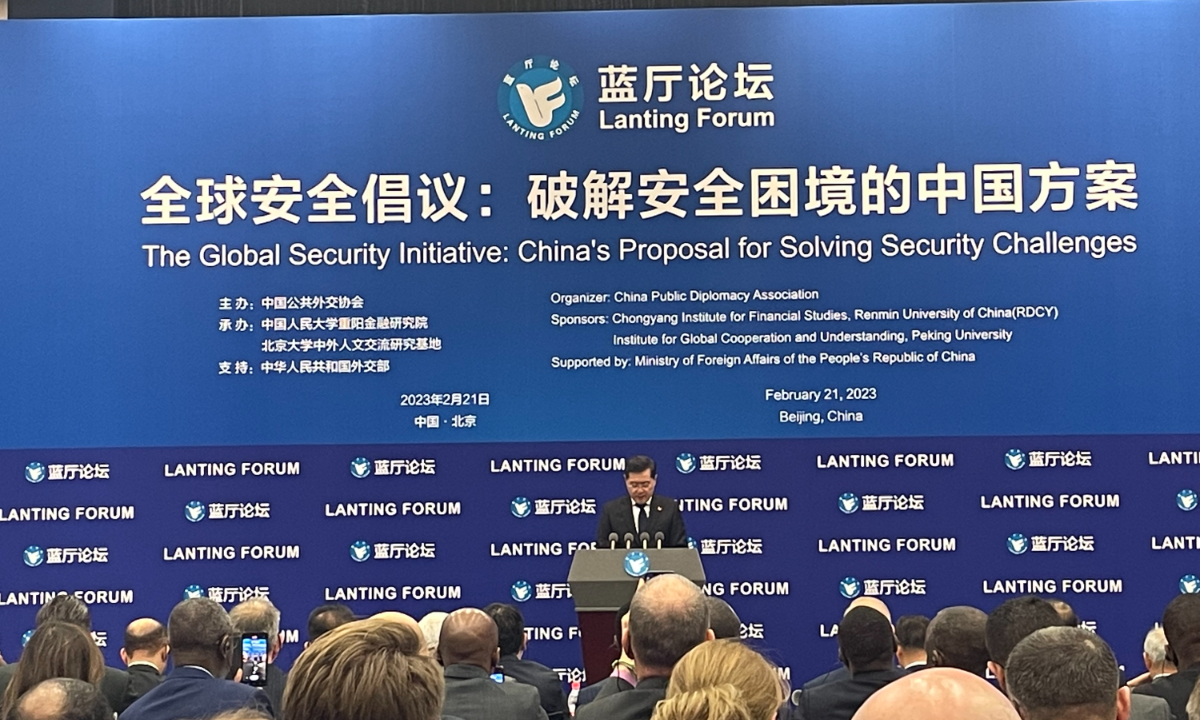
China’s many initiatives for dominance

China’s world vision has entered its next phase. After the Belt and Road Initiative (BRI), come the Global Initiative on Data Security (GIDS) so Chinese tech standards can lead, Global Development Initiative (GDI) so China leads the development dialogue, and Global Security Initiative (GSI), so China’s security is ‘indivisible’ from other countries – all in time for China’s 2049 goal of becoming a global power.

China Germany Courtesy: Deutsche Welle (DW)
20 July 2023

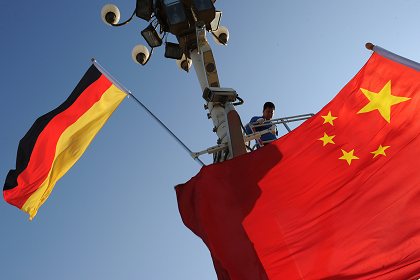
Germany’s new China strategy

On July 13, the German cabinet approved its Strategy on China after nearly two years of internal discussions. The new strategy simultaneously views China as a “partner, competitor, and systemic rival”, calling for de-risking German economic dependence on China, while also expanding cooperation with other countries in the Indo-Pacific region.

27010605639_d03ddf44a5_o Courtesy: The Dahrendorf Forum
17 July 2023

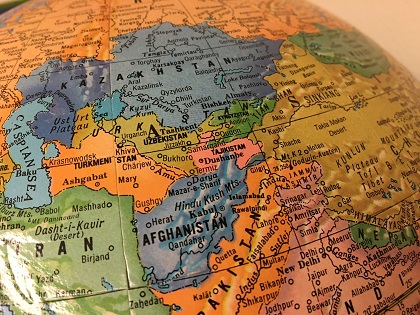
Central Asia, the new corridor

The Russia-Ukraine conflict has led to the resurgence of interest in Central Asian as an alternate trade corridor between Europe and Asia. Timely investment in connectivity projects like the Middle Corridor and the INSTC by regional stakeholders, as well as by the EU, China and India, must now build on this interest to create new regional, international, and cross-continental transport corridors.

FuIkSegXwAA1PDo Courtesy: Twitter / Hindustan Times
20 April 2023

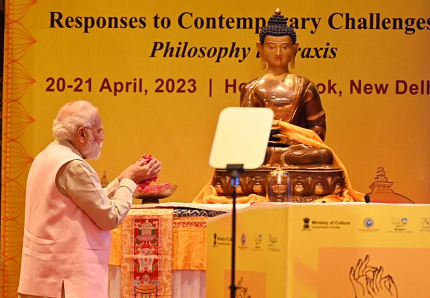
A Buddhist quest for global peace

The first Global Buddhist Summit is being held in New Delhi this week, a continuation of India's strategic and diplomatic outreach to Buddhist countries in Asia. The Summit offers India an opportunity to deepen the dialogue on its shared, millennia-old transnational Buddhist legacy with these countries, and arrive at contemporary solutions for global conflicts using the lens of Buddha Dhamma.

dc-Cover-aadd91r62jmke04vrfagfboru4-20230321071144.Medi Courtesy: Deccan Chronicle
21 March 2023

India-Japan: Bound by the Ancient Tenjiku

The Edo era in Japan adopted the Buddhist worldview that placed India at the center of the human world. This was reflected in their maps, till the mid-19th century. The geopolitical context of these spiritual maps wielded a profound influence on Japan’s Buddhist clergy and its laity, a world view that echoes the present.

kishida and modi Courtesy: Reuters
12 January 2023

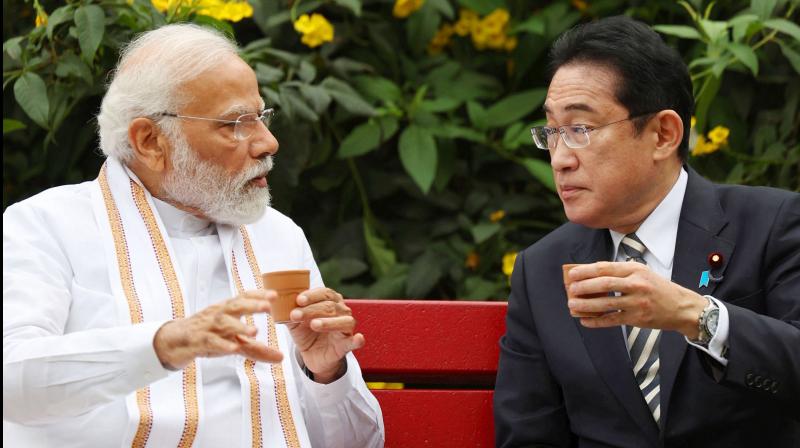
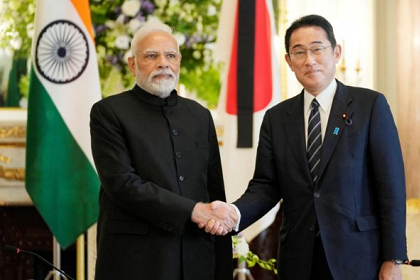
Japan’s new comprehensive security strategy

Japan’s recently released National Security Strategy document has pathbreaking commitments to strengthen Japan militarily. It reflects a dramatic change over the last decade, when the national threat for pacifist Japan was largely China. Now North Korea and Russia are included, and a Japan with superior defence capabilities will play a larger role in the Indo-Pacific.

Moutai PNG Courtesy: The Economic Times
27 October 2022

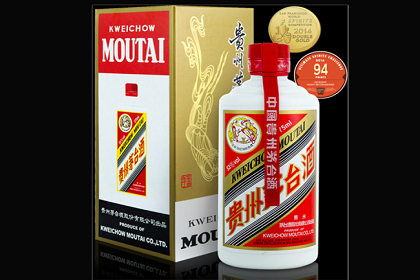
China’s new corporate top dogs

A quick look at the list of top Chinese companies shows that the vaunted private sector has receded and the state-owned giants now dominate. Under the new Xi Jinping regime, they are unlikely to relinquish their position. What does this mean for China – and for India?