Why Italy turned right
Disenchantment with traditional parties and politics, changed constitutional organisation of Parliament and the election system, over-regulation by the EU, immigration issues. This is why Italy turned right.

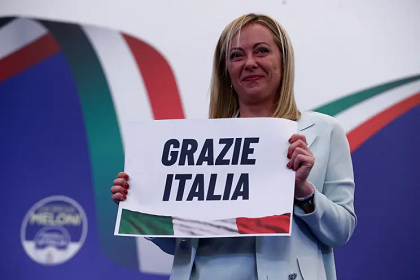 Courtesy: Reuters
Disenchantment with traditional parties and politics, changed constitutional organisation of Parliament and the election system, over-regulation by the EU, immigration issues. This is why Italy turned right.
 Courtesy: Getty Images
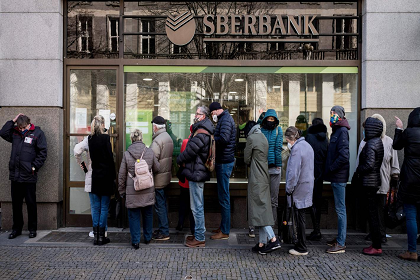
Wide-ranging economic sanctions on Russia are likely to stay for several years, if not decades. Given Russia’s critical global role as a supplier of key commodities and military hardware, India should pursue long term solutions to continue this trade.
 Courtesy: Shutterstock//Creativa Images
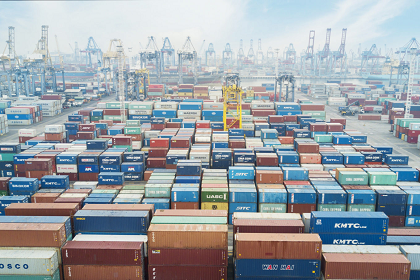
Indonesia has managed its G20 Presidency year by understanding the importance of not going it alone. This trading nation has used its deep regional and multilateral cooperative processes which provided trusted back-up and support at every step, and was book-ended by strong linkages and investment partnerships with Japan and Australia. In this, it has laid the groundwork for India’s 2023 presidency.
 Courtesy: PTI
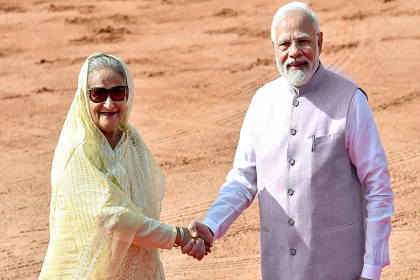
Delhi and Dhaka are fully conscious that they must get this vital equation right, constantly strengthening and deepening their cooperation and countering the challenges they face. In this, the contributions of the Sheikh Hasina government in nurturing the special ‘bonding’ is enormous and widely appreciated.
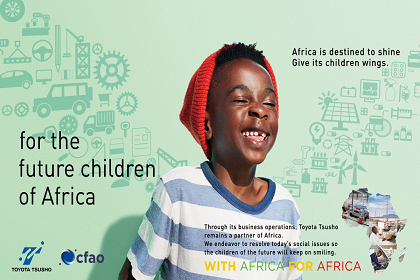 Courtesy: Toyota Tsusho Corporation
The Japan-Africa partnership continues to be emphasised. The goal is to build human capital, sustainable and high-quality growth and the security and stability of the global order in which government, business, and civil society leaders participate on an equal basis. It is an opportunity for Indian companies to work together in Africa, to achieve bilateral goals.
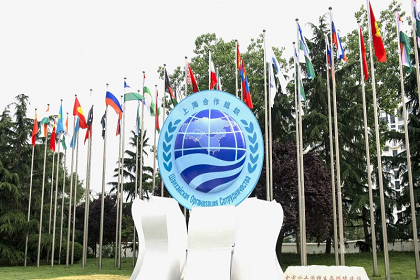 Courtesy: Iran Press News Agency
The relevance of the Shanghai Cooperation Organisation has increased due to the clear divisions developing in the world, since the Ukraine crisis began. Several leaders will probably attend in-person, a chance to advance their regional and economic interests. India has good relations with most SCO countries, and sees the upcoming Summit as a way to secure its strategic and security objectives.
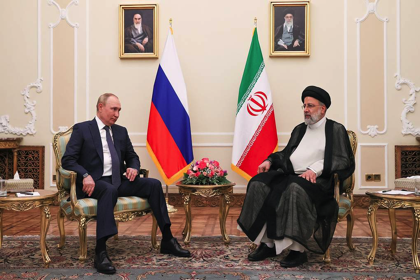 Courtesy: TASS
Russian President Vladimir Putin’s July visit to Iran was a geopolitical reset for both countries. The collapse of the JCPOA and the Ukraine crisis has strategically united Iran and Russia against their common adversary, the U.S. Russia is now a credible alternative to fill the investment vacuum for Iran’s defence, trade and energy sectors.
 Courtesy: ANI
Since 1947, India has had a proud record of development cooperation. It began even though it was newly independent and itself developing, but created a camaraderie with movements in other emerging countries. Now after 75 years, its time to move toward an FDI-led model, which will particularly help reduce the rising indebtedness in the developing world.
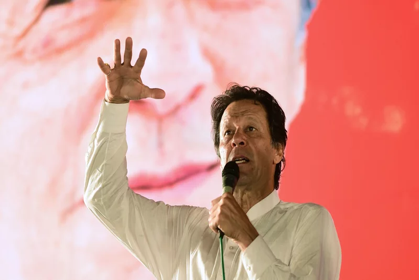 Courtesy: AFP/Getty Images
The genesis of Pakistan’s current political and economic problems lies with the pre-1947 Pakistan movement. But, its immediate problems stem from the political engineering done by the Pakistani army to install a hybrid regime led by Imran Khan who, they realised much later, was unable to deliver either on the economy or on governance.
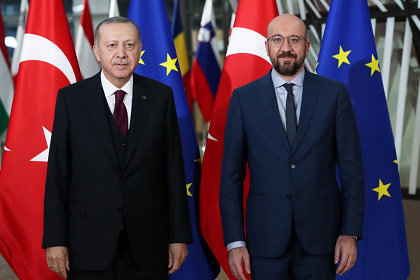 Courtesy: Reuters
The Ukraine crisis has sent the EU scrambling for new gas supplies, generating fresh interest in gas pipelines from Central Asia and West Asia via Turkey. Practical difficulties make most of these new projects unviable.