BRI: reviving Turkish business?
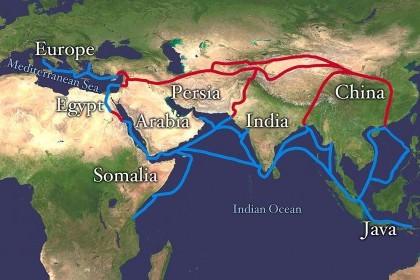
Experts at a recent conference on China’s Belt and Road Initiative, hosted in Istanbul, spoke of its many advantages to the region, but also on the challenges involved in attracting financing

 Courtesy: Wikipedia
Experts at a recent conference on China’s Belt and Road Initiative, hosted in Istanbul, spoke of its many advantages to the region, but also on the challenges involved in attracting financing
 Courtesy: Northernminer
In the wake of trade-based globalisation followed by financial globalisation, a large volume of capital began moving from developing to advanced countries. This has resulted in relatively poor developing countries effectively becoming net creditors to the rest of the world. Reversing this massive outflow of capital requires governments to strengthen governance in all its dimensions and have closer international collaboration to tighten the regulatory oversight of tax havens for greater transparency
 Courtesy: Gateway House
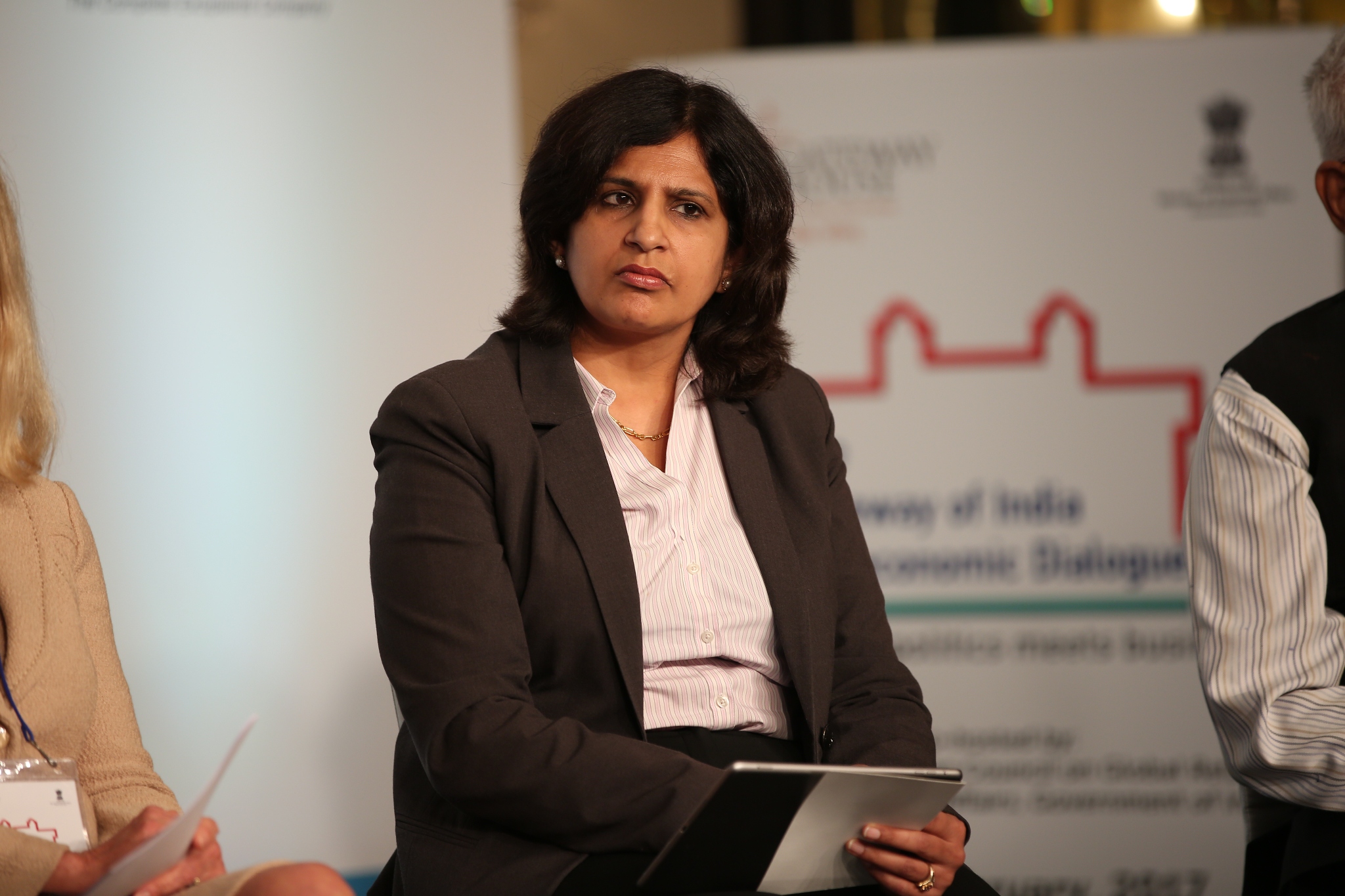
In Monica Bhatia's interview, she discusses the changes in the global financial sector in the wake of the Panama papers and the HSBC files, mainly the increase in transparency between banks and governments. She highlights her belief in the Automatic Global Tax Information Sharing Network in countering tax evasion and the success of the methods that governments have already undertaken to enable voluntary disclosures. Lastly, she illustrates the measures under the BEPS system on tax compliance.
 Courtesy: The Wire
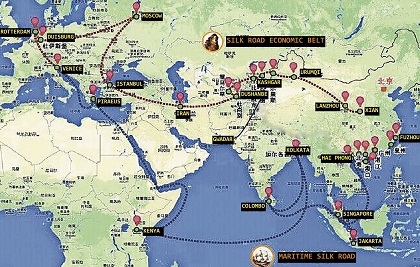
China has launched the One Belt, One Road (OBOR) Initiative in an attempt to rebuild the ancient Silk Road with proposed land and sea routes to promote infrastructure, trade, and investment in the regions that it will thus connect. The challenge will be to attract private financing to support the official and multilateral ones
 Courtesy: Wikimedia Commons
The incoming Trump administration is inheriting an economy that is on a strong recovery path. What are the challenges in sustaining this and what is emerging as the new administration’s growth agenda?
 Courtesy: Armstrong Economics
The global monetary and financial system is lopsided and designed to favour rich countries; an alternative economic and political doctrine, which takes into account the needs of emerging economies like India, must now be articulated to end this one-sided architecture
 Courtesy: Ministry of External Affairs / Flickr
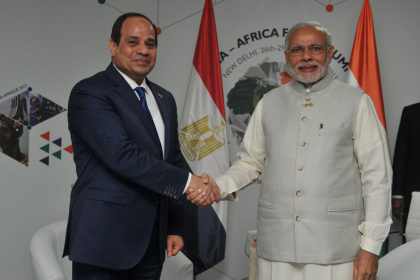
Egyptian president, Abdul al-Fattah al-Sisi, is set to arrive in New Delhi on 1 September 2016 with a delegation of important ministers and business leaders. This marks an important opportunity for the two countries to connect on a much wider range of regional and international issues than earlier.
 Courtesy: Quartz
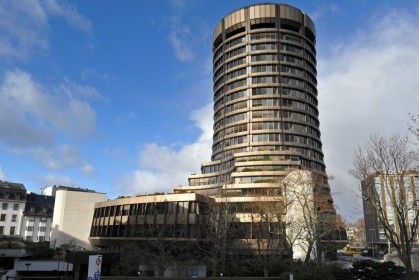
Regulations are the new focus of economic statecraft. Their increasing importance is reflected in the negotiations on global financial standards, plurilateral trading rules, and regional economic unions.
 Courtesy: Livemint
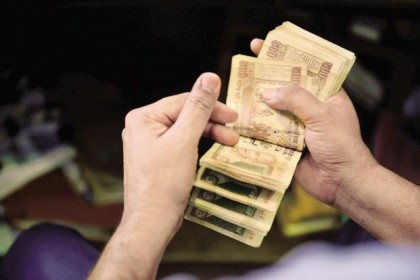
Indian infrastructure financing has for long suffered from rating concerns, but recent changes to credit enhancement are helping to plug this gap, enabling investment by foreign insurance and pension companies, and stimulating project exports.
 Courtesy: India Africa Forum Summit 2015
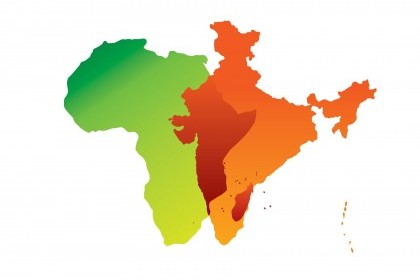
Prime Minister Modi’s tour of four African countries will seek to build upon recent high-level visits to the continent, providing fresh impetus for the reinforcement of India-Africa relations in matters of diplomacy, business, security, and energy while putting to rest criticism of India’s visibility deficit in Africa. However, the onus to harness this momentum now lies with other stakeholders.