Chinese Investments In India Cover final-2020 - Copy Courtesy: Gateway House
27 February 2020

India in the virtual Belt and Road

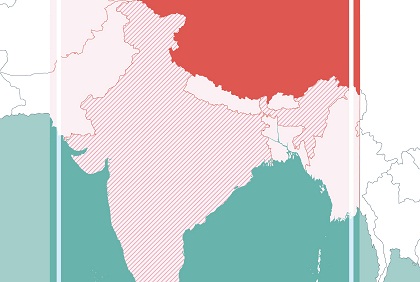
Over the last five years, China has quietly created a significant place for itself in India – in the technology domain. While India has refused to sign on to China's Belt and Road Initiative (BRI), this map shows India's positioning in the virtual BRI to be strategically invaluable for China. Nearly $4 billion in venture investments in start-ups, the online ecosystem and apps have been made by Chinese entities. This is just the beginning; there is much more to come.
shutterstock_1441151312 Courtesy: Shutterstock
2 January 2020

Regulating services trade in India

The services sector is the most dynamic in the global economy, constituting nearly 25% of global trade, but its intangibility – unlike the materiality of trade in goods – makes it difficult to monitor. Service providers in this sector need a national regulatory governing framework

49012249412_d8b02bb141_c Courtesy: MEA/Flickr
7 November 2019

Goodbye, RCEP

There have been mixed reactions to India’s not signing on to the Regional Comprehensive Economic Partnership. India is often criticised for abstaining from trade agreements and being a protectionist nation, but in fact, the reverse is true. The country’s trade to GDP ratio of 43% is higher than China’s 38% and the U.S.’ 27%. This shows how important trade is for India, particularly if it wants to reach the 2024 goal of being a $5- trillion economy.

48645255438_77e7265a4b_c Courtesy: TICAD7/Flickr
3 October 2019

TICAD 7’s agenda: engaging private enterprise

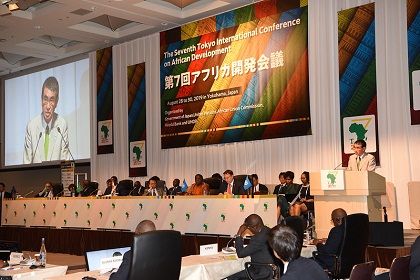
The Seventh Tokyo International Conference on African Development was a departure from earlier editions of it. Japan, which is changing tack as a competitor to China in Africa, held back from publicising the number of heads of state present to prevent any comparisons with other such forums and made no further commitments on Overseas Development Assistance. The accent, instead, was on increasing Japanese private sector engagement

feni-in-goa Courtesy: GoaVilla
22 August 2019

Lifting Indian spirits with a GI tag

India’s traditions are finally getting their due – with a Geographical Indication tag. This opens up a world of soft power for India. The first GI tag was given to Darjeeling tea. Now, after over a decade, the first ever GI store has opened at Goa’s airport. One of the Goan products on sale is feni, a popular local brew, which, with its new GI tag, can make a global splash

shutterstock_1042231621 Courtesy: Shutterstock
1 August 2019

A case for the petro rupee

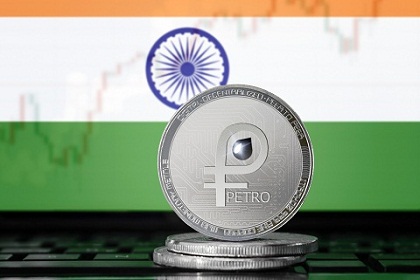
India can catalyse trading in oil on its domestic exchanges, and thereby adjust global oil prices so they reflect the changing patterns of global trade. In the process, this can help Indian companies and government reduce the risks arising from high energy prices. And in the long run, it can give India a more central position in the global financial system

46118329451_16cf134eac_o Courtesy: MEA/Flickr
27 June 2019

Gateway House on the G20

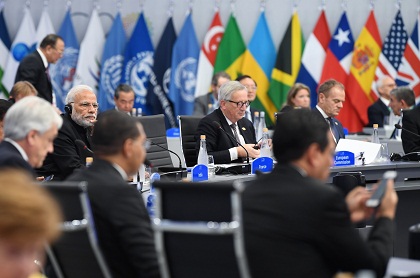
The 2019 G20 Summit in Osaka on June 28-29, is the 14th meeting of the Group of 20 leaders. The G20 is the world’s most influential economic multilateral forum. It is the agenda-setting forum that develops and guides rules of global economic governance. Under the Japanese Presidency, this summit will be the first to discuss and establish the rules for the worldwide governance of data, including current hot-button issues like data localisation and data sovereignty. India has both a preparatory and a contributory role to play in the G20 this year. For in 2022, it will be the President of the G20. India must identify its agenda early on; its a weighty responsibility but also an opportunity to set the global economic agenda.