20260415_1714_Minimalist Iran Conflict Illustration_remix_01kp8f9nksftqrj3zntfnpktpe Courtesy: Gateway House
15 April 2026

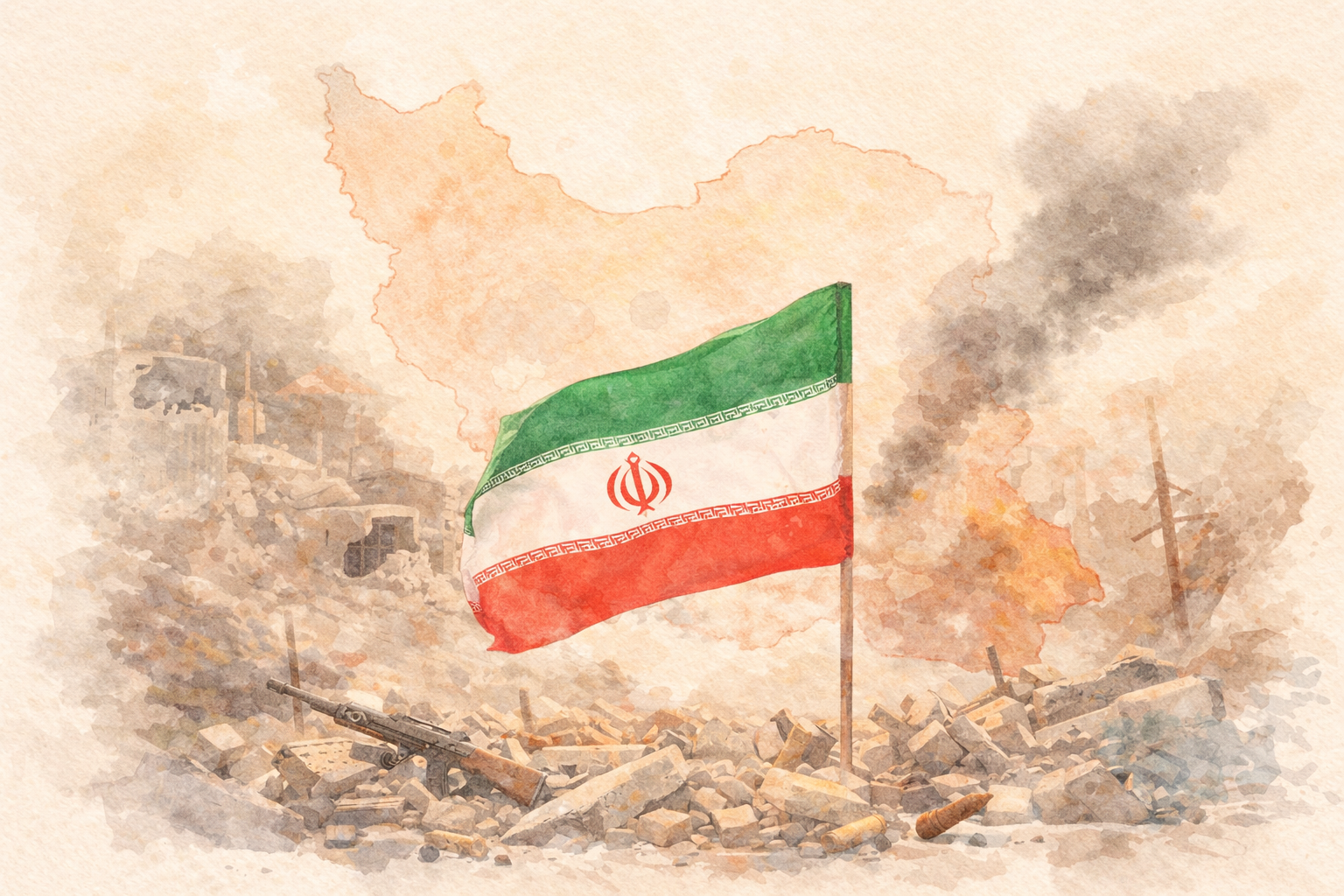
How did Iran fight this war?

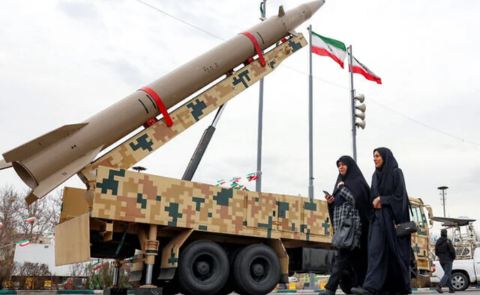
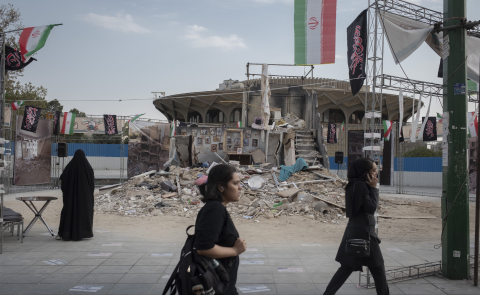
The West Asian conflict is raising questions about Iran’s performance. Tehran appeared well-prepared, having expanded its low-cost drone and missile capabilities. It also widened the conflict by targeting U.S. bases in the Gulf. The key lesson is that eliminating leadership does not guarantee regime change. The conflict underscores that modern warfare depends not just on battlefield gains, but also on economic resilience, trade leverage, and technological strength.
Website articles  (52) Courtesy: AFP
9 March 2026

Iran regime change unlikely

The U.S.–Israel war against Iran will alter the geopolitical landscape of West Asia and adversely impact the global economy, including India. Vali Nasr, Majid Khadduri Professor of International Affairs and Middle East Studies at Johns Hopkins University School of Advanced International Studies, analyses the conflict and its implications in an exclusive conversation with Nayanima Basu.

Website articles  (11) Courtesy: Shutterstock
5 March 2026

West Asia conflict: who benefits?

The U.S. and Israel launched precise airstrikes on Iran, targeting nuclear facilities and senior leadership. Their aim is to weaken Iran’s nuclear programme and potentially induce regime change, while Tehran’s priority remains regime survival. The conflict’s duration will depend on whether it remains limited to missile exchanges or escalates into asymmetric warfare.

Website articles  (48) Courtesy: Bayerischer Rundfunk
25 February 2026

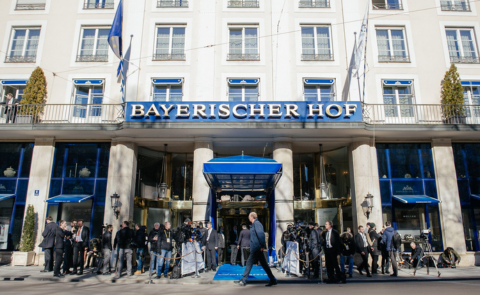
Munich diary: Europe at the crossroads

During the week of the Munich Security Conference, Munich transformed into a temporary capital of global diplomacy. Gateway House participated and hosted a Side Event, “Multipolarity without Multilateralism: India, Europe and the Future of Global Order” on February 14. This diary captures observations from the conference and the city, reflecting on Europe’s evolving priorities and how the continent assesses its role in an increasingly fragmented world.

Gateway House Courtesy: Telegrafi
6 November 2025

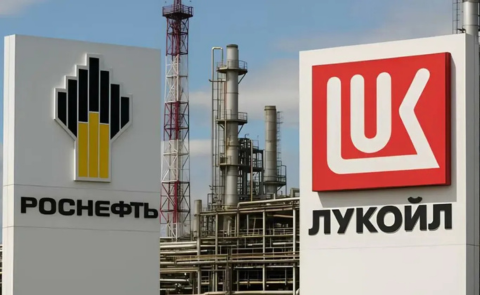
U.S. Sanctions on Russian oil giants

On October 22, 2025, U.S. President Donald Trump imposed sanctions on Russia’s oil giants, Rosneft and Lukoil. The move has clear geopolitical motives—to remove a major supplier from an oversupplied oil market. Indian oil companies, key buyers of Russian crude, now face pressure to cut imports, undermining India’s energy diversification and shaking global oil markets, including the U.S. economy.

Turkstreampipe Courtesy: President of Russia-Events website
30 January 2025

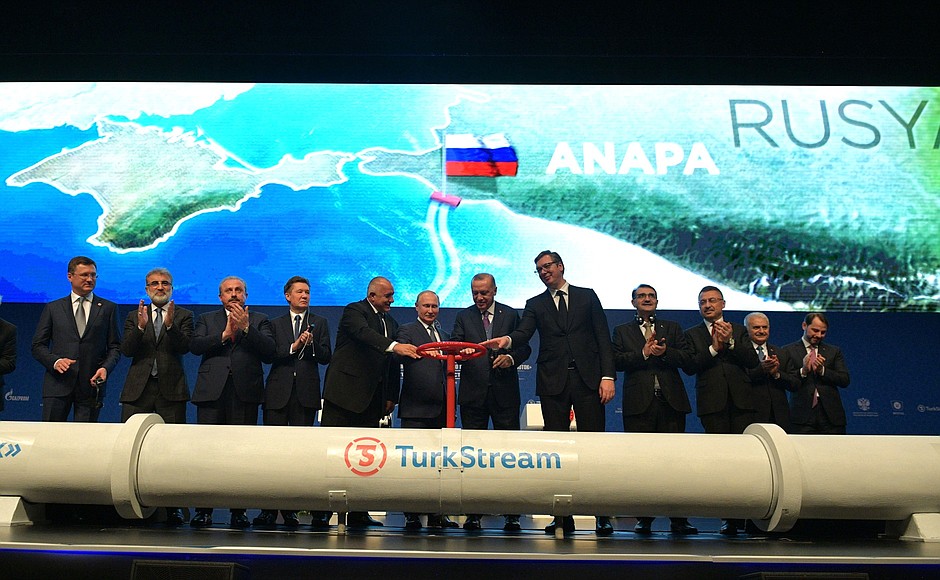
LNG: winners and victims

Europe has reduced its reliance on Russian gas following the war in Ukraine, and its chief supplier Russia is mired in western sanctions. What does it mean for Russia? It has certainly changed the fortunes for American gas to be sold to Europe: as of 2023, the US had become the world’s top exporter of gas.

Joint-Statement-following-the-22nd-India-Russia-Annual-Summit Courtesy:
18 July 2024

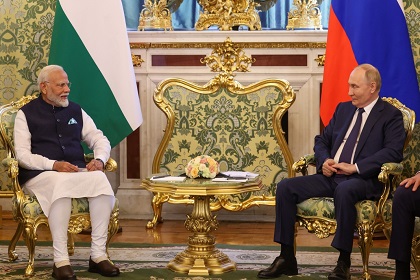
India-Russia relations march ahead

The 22nd India-Russia summit, held in Moscow on July 9 during Prime Minister Modi’s official visit, focused on expanding bilateral economic, energy, cultural and defense cooperation. It indicates the two nations’ commitment to adding substance and new momentum to their relationship. The long-delayed summit, which coincided with the NATO summit in Washington, should be viewed through the wider lens of a multipolar world.

c-vladivostok Courtesy: Sputnik India
8 February 2024

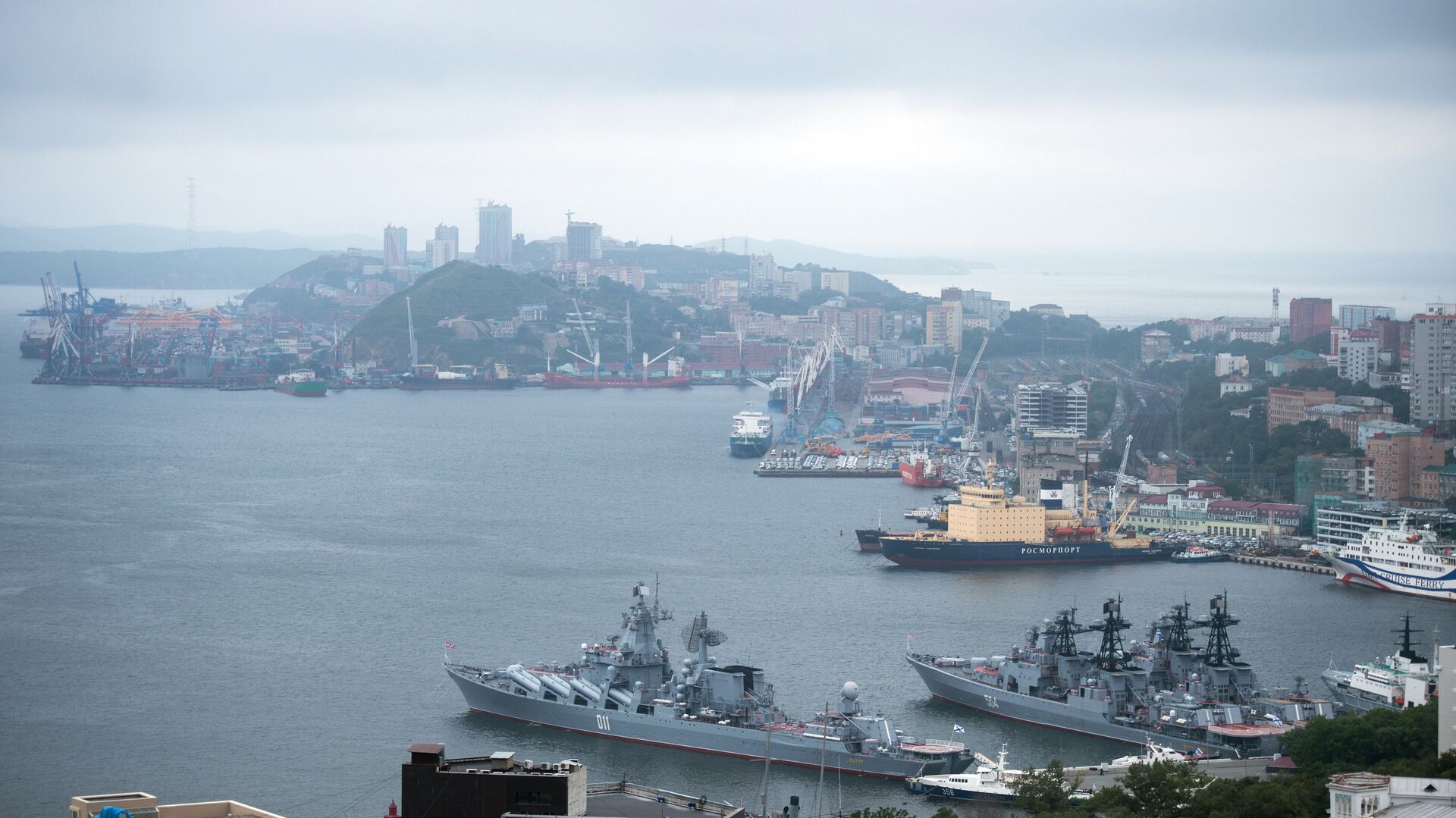
Reviving the Chennai-Vladivostok Corridor

Tensions in West Asia have disrupted global shipping and revived interest in the Chennai-Vladivostok Eastern Maritime Corridor. Better freight and passenger connectivity between Southern India and Russia’s Far East will open new areas for bilateral cooperation such as the export of machinery, auto parts and engineering goods from India, and progressively integrate the economies of the two countries.

27010605639_d03ddf44a5_o Courtesy: The Dahrendorf Forum
17 July 2023

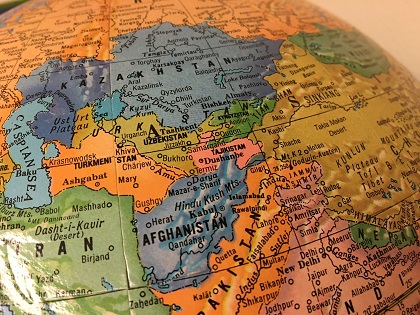
Central Asia, the new corridor

The Russia-Ukraine conflict has led to the resurgence of interest in Central Asian as an alternate trade corridor between Europe and Asia. Timely investment in connectivity projects like the Middle Corridor and the INSTC by regional stakeholders, as well as by the EU, China and India, must now build on this interest to create new regional, international, and cross-continental transport corridors.

task force cover 420 Courtesy: Gateway House
16 February 2023

G20 Energy Transitions and Climate Finance Task Force Report

Significant progress has been made globally in adopting green energy. Technological advances, easier availability of capital and regulatory measures have helped. But progress is likely to slow due to the shocks caused by Covid-19 and the Ukraine crisis. How to continue the green transition whilst ensuring that lower-income countries have access to affordable energy? This Task Force offers recommendations for India’s G20 Presidency.