Gateway House Courtesy: Telegrafi
6 November 2025

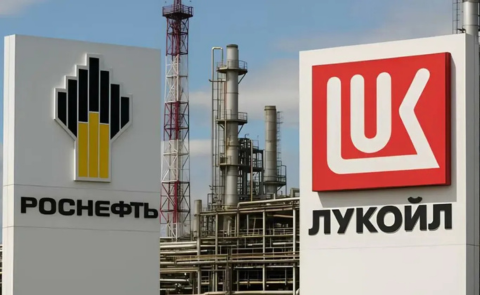
U.S. Sanctions on Russian oil giants

On October 22, 2025, U.S. President Donald Trump imposed sanctions on Russia’s oil giants, Rosneft and Lukoil. The move has clear geopolitical motives—to remove a major supplier from an oversupplied oil market. Indian oil companies, key buyers of Russian crude, now face pressure to cut imports, undermining India’s energy diversification and shaking global oil markets, including the U.S. economy.

Website articles  (2) Courtesy: Atlantic Council
6 November 2025

Trump’s Asia tour redefines China approach

U.S. President Donald Trump embarked on a five-day trip to Asia, arriving in Kuala Lumpur on October 26. Covering Malaysia, Japan, and South Korea, the visit marked a shift in focus from the Ukraine and Gaza conflicts to Southeast and East Asia, as his administration is set to finalise its China policy and Indo-Pacific strategy. The trip yielded important results, though their impact will take time to assess.

61mEzQVAteL (1) Courtesy: Amazon India
4 September 2025

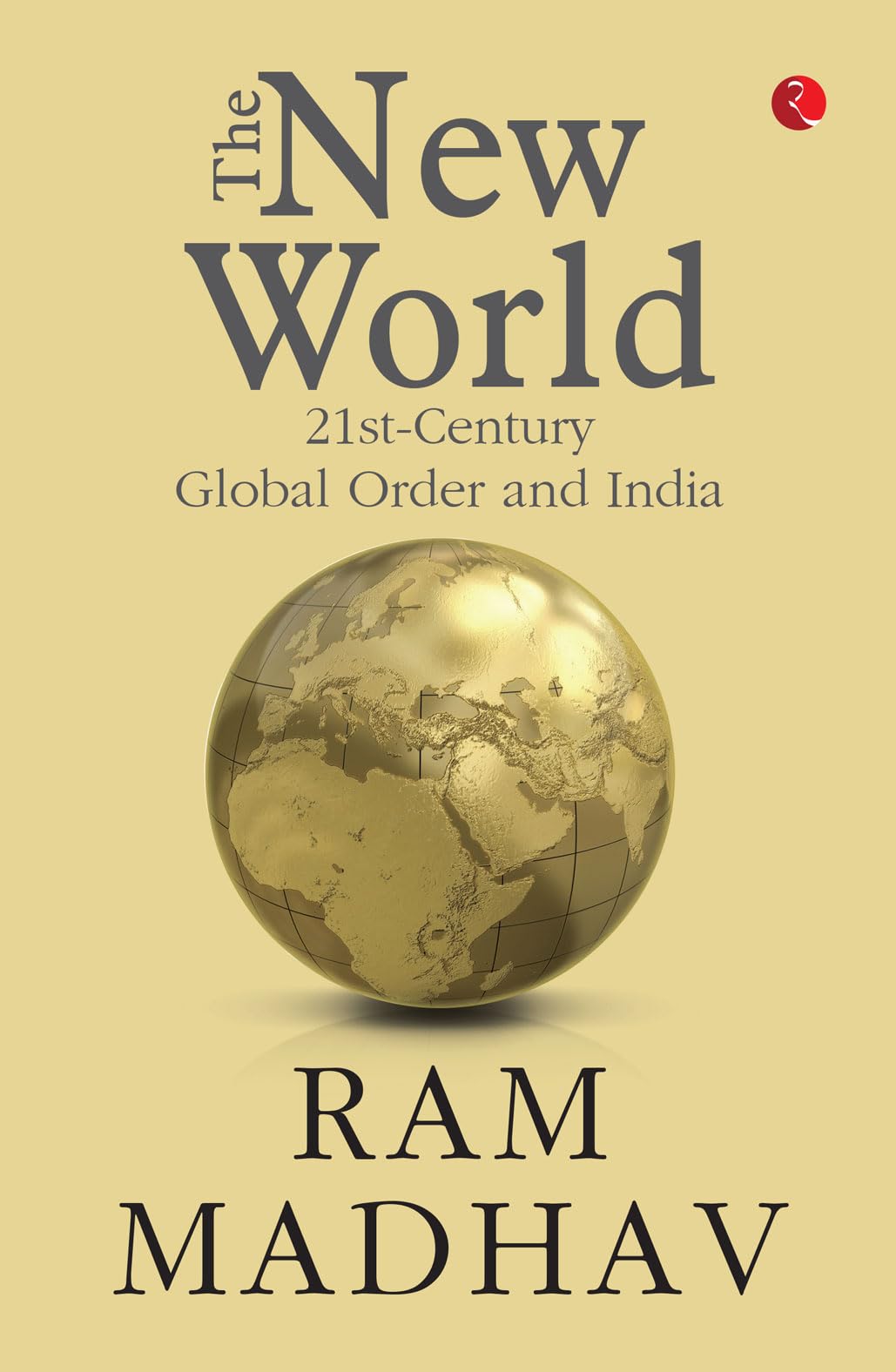
The New World: 21st Century Global Order and India

In this book, author Ram Madhav refers to “order” not simply in terms of politics and power, but as the outcome of inventions, industries, and ideologies that have shaped human civilisation. He blends the lens of an Indian scholar with that of a seasoned politician, tracing turning points in history and highlighting the roles of non-state actors, technological revolutions, and the moral and ethical dimensions of order.

trump - japan Courtesy: Kent Nishimura/Reuters
24 July 2025

The Trump effect in Japan

The political setback by the ruling coalition in Japan in the July 20 Upper House elections reflects growing frustration with the mainstream political parties. Young people frustrated with high costs have resulted in a fragmentation of Japan’s political landscape, and the rise of the right. The “Trump effect” has found fertile ground in Japan’s political soil.

Reuters Courtesy: Reuters
11 February 2025

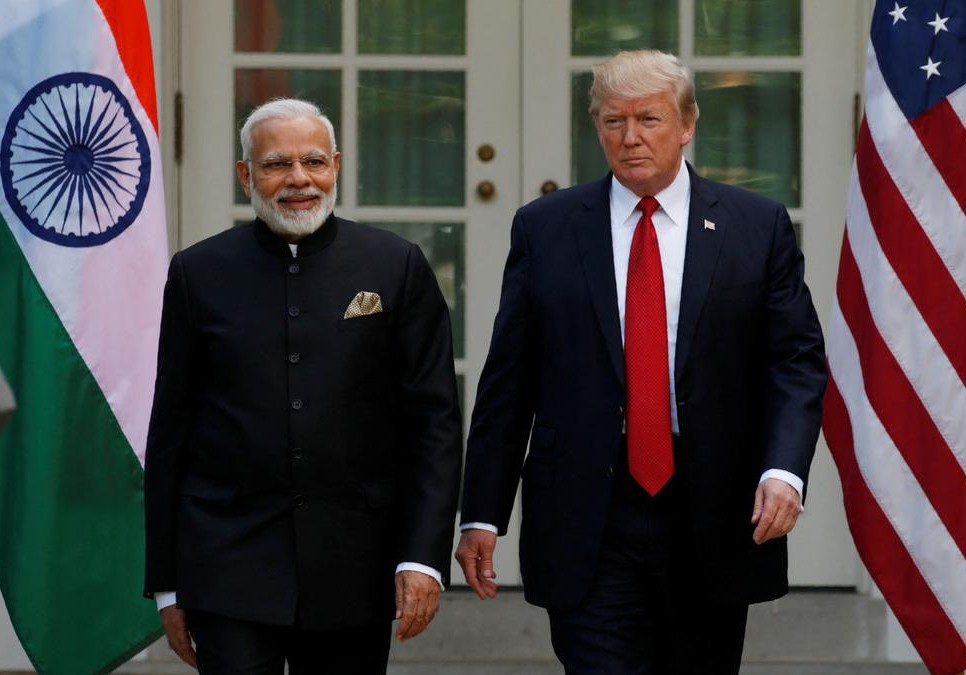
Modi negotiates with Washington

India and the U.S. have a big agenda, bilaterally and geopolitically, to discuss when Prime Minister Narendra Modi and U.S. President Donald Trump meet in Washington on Feb 12-13. Trade, China and migration are central points of discussion. So will ensuring that Trump allies with India on its neighbourhood as an area of common concern. The big election win in New Delhi will strengthen Modi’s negotiating hand.

Website articles  (6) Courtesy: Gateway House
6 February 2025

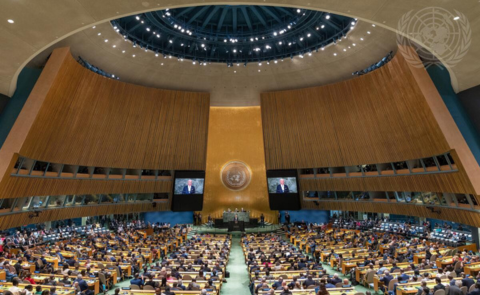
80 years of United Nations

The UN turns 80 this year. How is it being judged? Both disparagingly and with admiration says Ruchira Kamboj, Former Permanent Representative of India to the UN. In this podcast with Manjeet Kripalani, Executive Director, Gateway House, she explains the now-diminished U.S presence, the growing influence of China, the scope for reform and India’s position as an emerging global power.

dedoll Courtesy: CNBC
1 March 2024

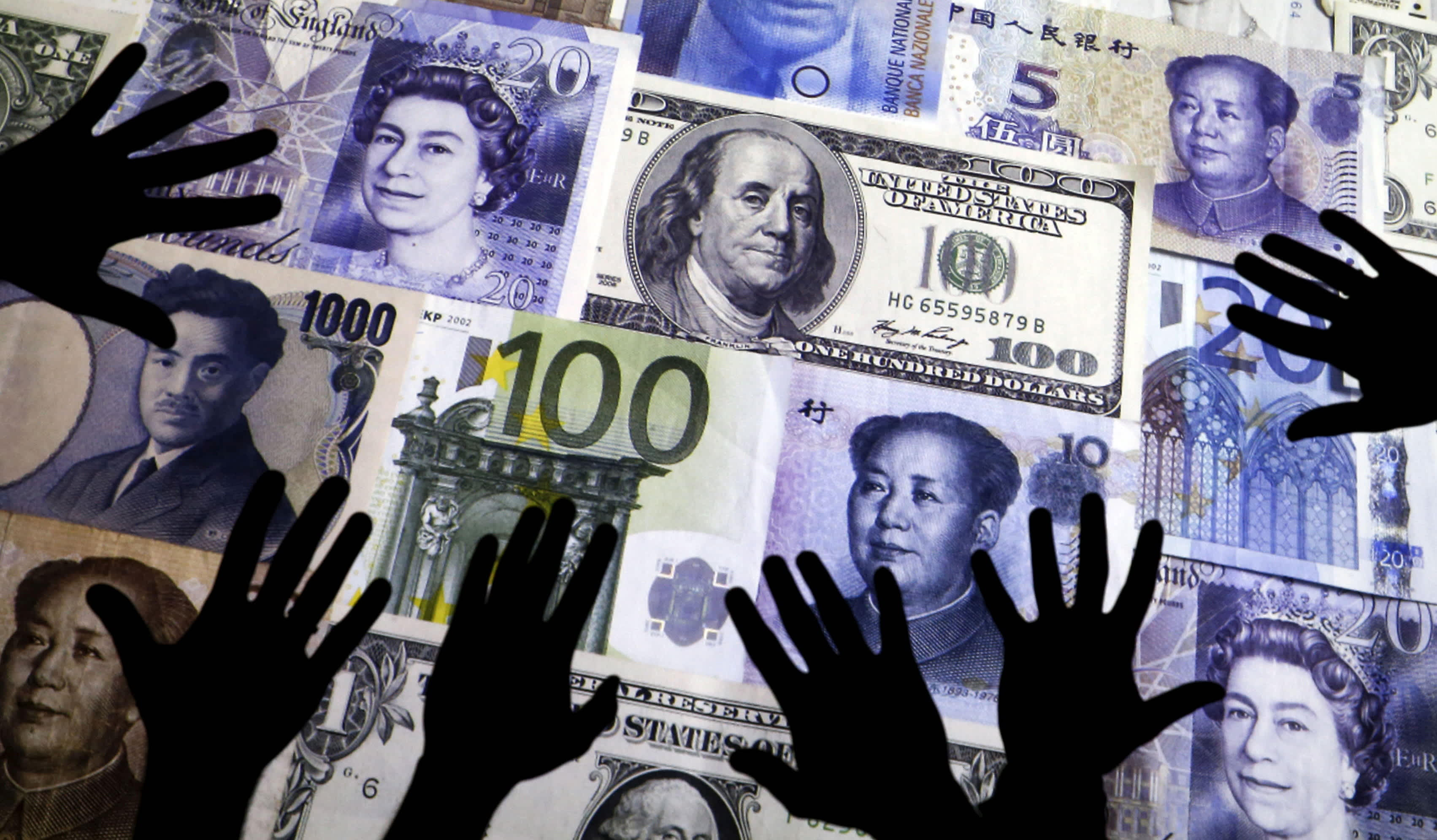
Unfolding Geopolitics | Episode 7, De-dollarisation: economic or political?

The imposition of sanctions, continuing wars and the rise of new geopolitical blocs seeking to move away from western economic dependence, have prompted talk of ‘de-dollarisation,’ switching from the U.S. dollar as a currency of trade and reserves. Surjit Bhalla, well-known economist and India’s former representative at the International Monetary Fund, discusses the logic behind de-dollarisation and the key indicators of its sustainability or demise.

US-vote-blog-image Courtesy: LSE
10 November 2022

U.S. in gridlock post mid-term elections

U.S. President Joe Biden was vulnerable on several issues with a low approval rating. Yet the Democrats defied expectations in the U.S. midterm elections, and there was no red wave. Why? Possibly because women, Donald Trump and political dramatisations affected the final outcome.

DRISHTI AI Courtesy: LinkedIn | Drishti
10 June 2021

Drishti: Foresight to a digital manufacturing future

Using computer vision and AI to capture factory-wide data of human operators, Drishti Technologies co-relates human actions to line efficiencies, bottlenecks and root-cause analysis. Indian manufacturers operating at the lower end of the automation curve can use this combination to improve productivity, safety and quality by a deep-dive into human-action analytics.

buildings-china-city-50868 Courtesy:
20 March 2019

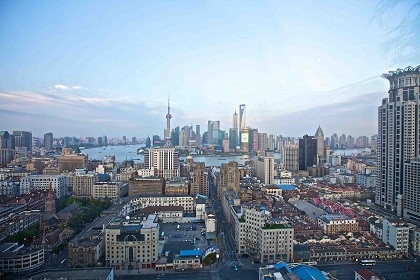
Three ways to resolve Chinese debt crisis

The Chinese leadership faces a range of economic problems and not very palatable solutions, says Prof Heribert Dieter, Visiting Fellow at Gateway House, Mumbai, and Senior Fellow, German Institute for International and Security Affairs, Berlin, in this wide-ranging conversation with Gateway House. He also analyses the European perspective on China, the U.S.-China trade war and the role of global forums, such as G20