China in IOR: ‘peaceful rise’ no more
China has expanded its presence in the Indian Ocean Region. President Xi Jinping has abandoned Deng Xiaoping’s conciliatory posture for an aggressive, money-fuelled search for super power status

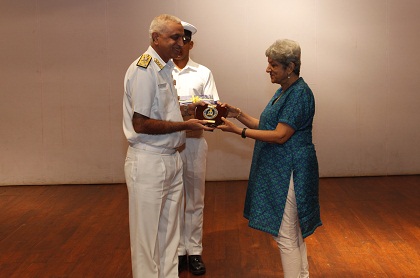 Courtesy: Western Naval Command
China has expanded its presence in the Indian Ocean Region. President Xi Jinping has abandoned Deng Xiaoping’s conciliatory posture for an aggressive, money-fuelled search for super power status
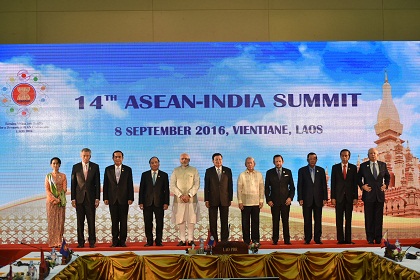 Courtesy: MEA/ Flickr
The Indo-Pacific region is home to some of the largest and most rapidly growing economies as also powerful military forces. Nuclear threats, international terrorism and climate change are some of the issues that define the region. Uncertainty dogs relations among the four nations in the top league—U.S., China, India and Japan—but what is emerging is a hawkish, policy stance from the U.S. as opposed to an isolationist outlook apprehended earlier
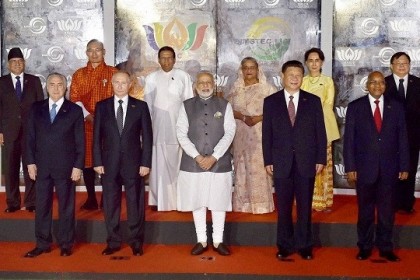 Courtesy: MEA India / Flickr
Perhaps South Block did not gain as much as it had hoped to: there was a gulf in member states’ perceptions. One takeaway, therefore, for policy makers was that while noise has its uses, it is now time for some quiet diplomacy
 Courtesy:
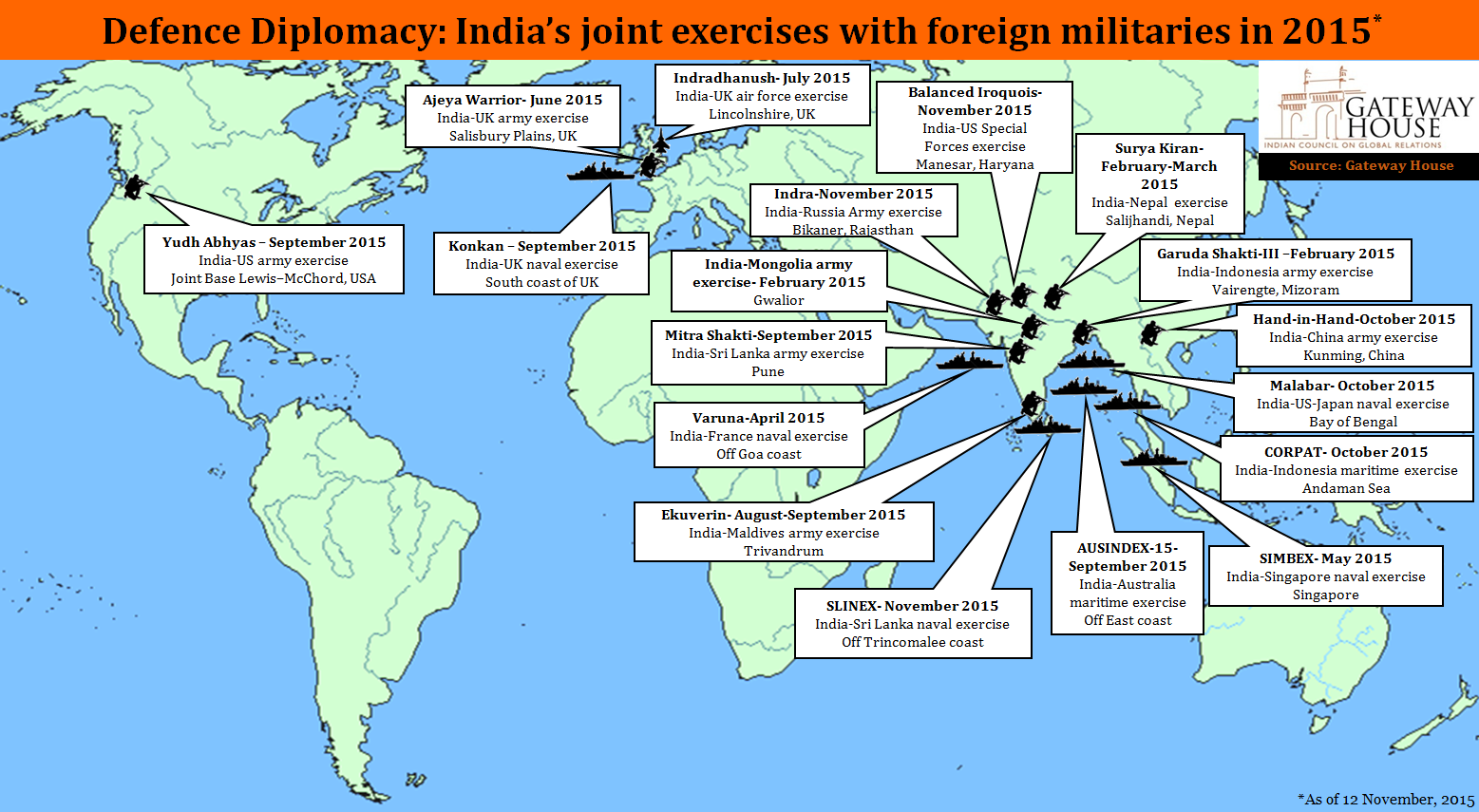
This year, India's defence diplomacy has ramped up. In 2015 alone there have been 18 military exercises- naval, army and air force- with 13 countries, among the largest engagements the country has had. Most significant is Japan joining the Malabar exercises in the Bay of Bengal and the first-ever maritime exercise with Australia. This is increasing India's presence from the Arabian Sea to the Bay of Bengal. As these exercises intensify India will be better positioned to handle regional security challenges.
 Courtesy: Rama/Wikimedia Commons
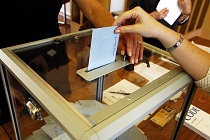
The year 2014 will witness elections in some of the biggest countries including India, Brazil and Indonesia. Like in India, the participation of youth voters is likely to be an important determinant in the outcome of the elections. Gateway House examines the presence of issues common to India and the major countries going to the polls in early 2014
 Courtesy: Systemman, Erin A. Kirk-Cuomo/Wikimedia Commons
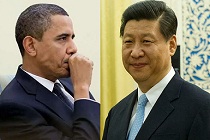
The U.S. government shutdown and President Obama’s absence gave China immense diplomatic and political space at the APEC and East Asia Summit meetings. China’s declaration of a “de-Americanised” world may be premature but the crumbling old order is doing little to dispel this notion
 Courtesy: Asitimes/ Flickr
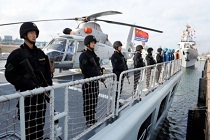
Indian and Chinese companies routinely bid against each other in their quest to secure oilfields and other resource pools resulting in rising prices. However, a preferable recourse would be for the nations, along with ASEAN, to collaborate as there is enough for all
 Courtesy: Shwkyn231/Flickr
The year 2012 has been a busy one for foreign policy: from escalating disputes in the South China Sea to alternate financial instruments from the emerging world. India’s foreign policy too has its shown strengths and weaknesses. We present our top foreign policy Hotspots, Sweet spots and Blind spots for 2012.
 Courtesy: Gateway House
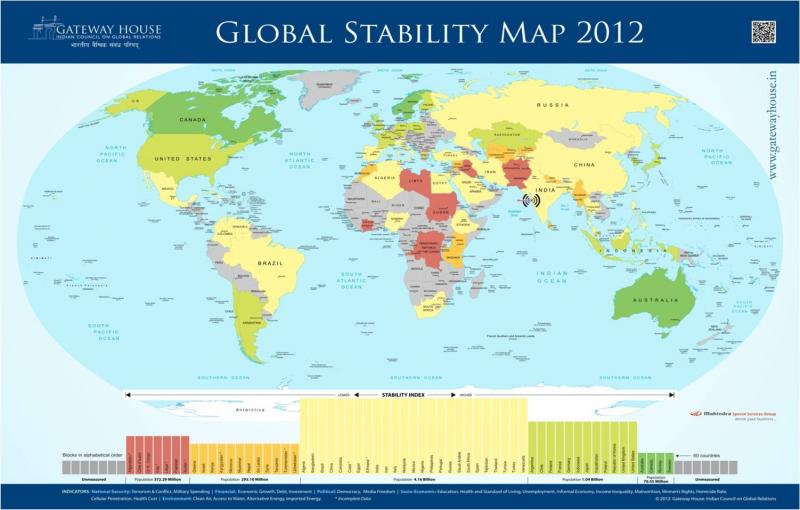
Gateway House prepared a Global Stability Map, using 20 differing indicators, to analyze the stability of 60 countries around the world. Using criteria that are important to the emerging economies of the world, the map provides an Indian perspective of the world today.
 Courtesy: Michael Trolove/WikimediaCommons
Growing instability in the region make the planned Turkmenistan-Afghanistan-Pakistan-India (TAPI) gas pipeline seem more like a burden than a solution to India’s hunt for alternative energy sources. Is it wise for India to move ahead with the $7.6 billion project?