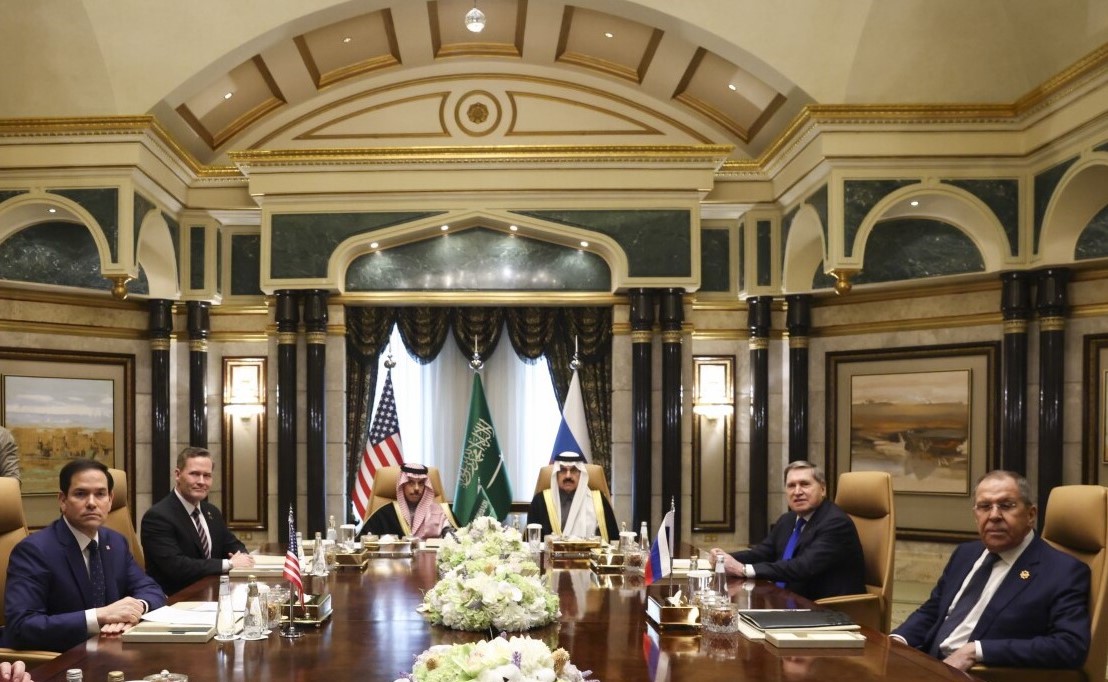
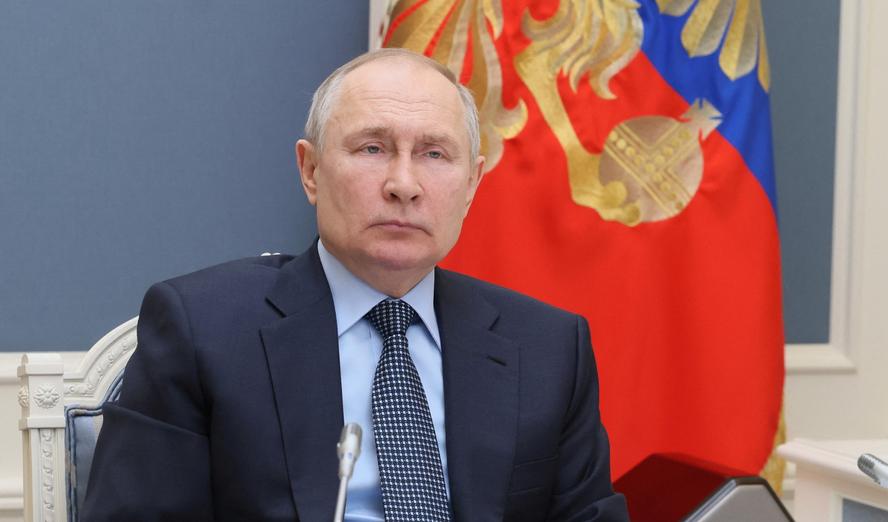
There was much at stake for the U.S.-Russia summit at Alaska – more than just the future of Ukraine. It will put the world back on economic track, and ease East-West relations, under stress for an on-going tariff war. For now, diplomacy has played a successful hand.
India-U.S. trade negotiations have faltered. India stepped outside its comfort zone to offer zero tariffs on industrial goods that form 40% of U.S. exports to India, but the additional 25% tariffs have rendered most Indian exports noncompetitive. Only a carefully balanced, incremental negotiating framework blending economic pragmatism with protection of core domestic interests backed by political will, stands a realistic chance of bridging the current impasse.
The proposed IMEC corridor connecting India to Europe through the Gulf can be transformative, helping to reduce risks to the global movement of goods and data. It’s early days yet, and there are gaps to be filled in terms of missing infrastructure and overcoming a diplomatic rift.
Over two centuries, the U.S. has amassed vast economic powers across the globe during and after the two World Wars , and sanctions slowly became an effective tool it used to achieve its foreign policy goals, becoming the global emperor of sanctions.
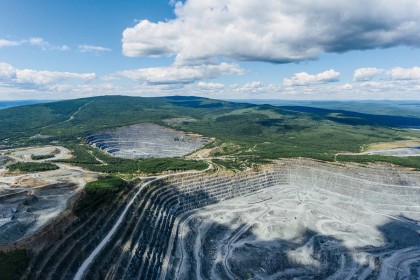
Three years into the war with Ukraine, Russia has adapted to the changed economic scenario. It’s an ideal time for India and Russia to step up their economic engagement, especially as India seeks resources in energy and critical minerals for growth. However, Indian companies are wary of using these opportunities and are missing out on access to the world’s larges and most mineral-rich region.
Saudi Arabia has been the new centre for mediation between warring states and their sponsors. It reflects the shifting dynamics in an increasingly multipolar world and the redefinition of power structures. This role has extended to other Gulf states, which have strategically positioned themselves as neutral players, leveraging their strong relations with the great powers, and adopted culturally sensitive to consensus-building.
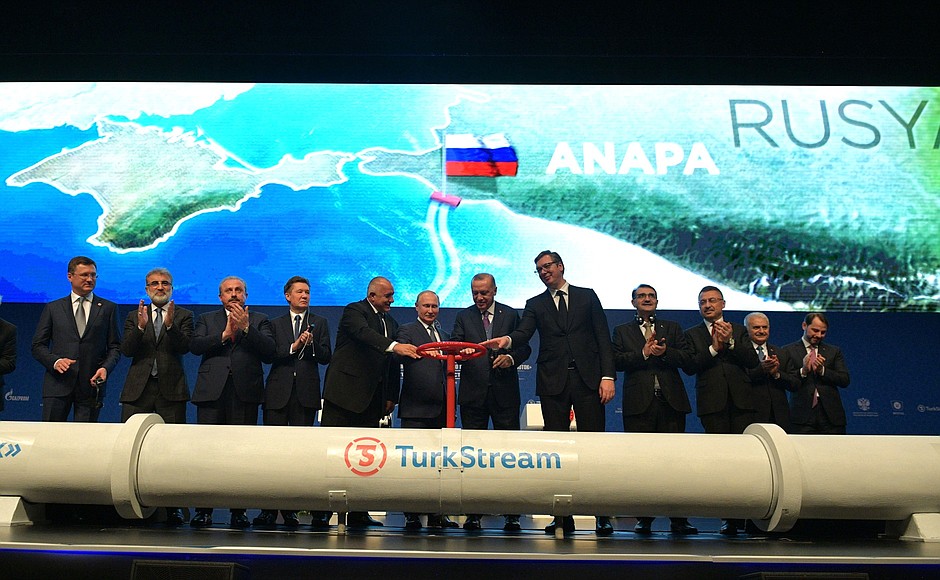
Europe has reduced its reliance on Russian gas following the war in Ukraine, and its chief supplier Russia is mired in western sanctions. What does it mean for Russia? It has certainly changed the fortunes for American gas to be sold to Europe: as of 2023, the US had become the world’s top exporter of gas.
On-ground realities and political dynamics have shifted in the Russia-Ukraine war, with the latter’s incursion into Russia’s Kursk region, even as there is a push for peace from multiple quarters. Ivan Timofeev, Director General of the Russian International Affairs Council discusses Russia’s perception of the conflict and peace efforts, its expectations from the BRICS Presidency and means of boosting commercial cooperation between India and Russia.
Russia has begun to make its presence felt in the Indo-Pacific as an independent player. A slew of high-level visits has shown Russian intention to engage, following its isolation by the West. The region is ambivalent, but open to listening to multipolar voices.
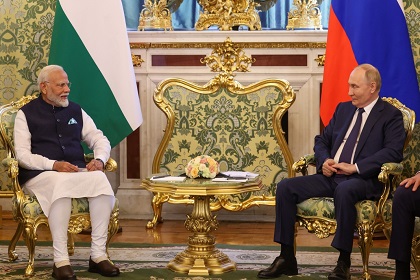
The 22nd India-Russia summit, held in Moscow on July 9 during Prime Minister Modi’s official visit, focused on expanding bilateral economic, energy, cultural and defense cooperation. It indicates the two nations’ commitment to adding substance and new momentum to their relationship. The long-delayed summit, which coincided with the NATO summit in Washington, should be viewed through the wider lens of a multipolar world.