chaitanya cover Courtesy: Routledge India
5 January 2022

India in the Second Space Age

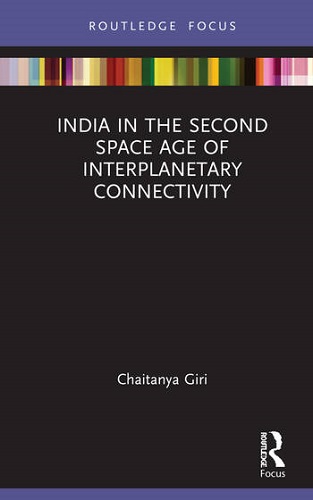
The concept of astropolitical blocs as an extension of geopolitical blocs remains unexplored, especially from an Indian perspective. As the scope of international cooperation in space expands into soft science diplomacy, the advent of the second space age creates opportunities for India to step up its space program, according to this book. This particular excerpt discusses the second space age, the changing nature of space enterprises, and the involvement thereof, of developing nations.
G20 Rome summit, marching ahead Courtesy: G20
4 November 2021

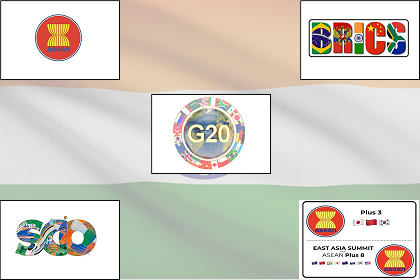
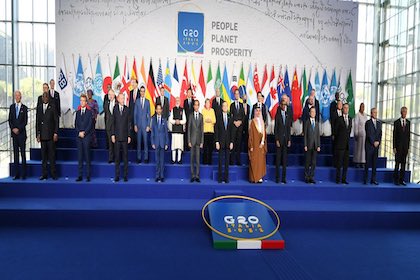
G20 Rome summit, marching ahead

The Oct 30-31 G20 Leaders’ Summit in Rome took several important steps to accelerate economic recovery and health security. In the absence of several Eurasian leaders, India played a significant role especially on climate and energy. The G20 will now acquire greater salience in India's foreign policy, as it readies to lead the grouping in 2023.

Sanctions,-,Just,Ahead Courtesy: Shutterstock
5 August 2021

Are counter-sanctions effective against sanctions?

Sanctions are an important foreign policy tool, used especially by the West against its adversaries. Now, these rivals are retaliating with counter-sanctions. Are these effective? How does this impact global politics? Where does India stand in this free-for-all sanctions era?

attributing cyber-attacks Courtesy: Shutterstock
15 July 2021

Attributing cyber-attacks

A ransomware attack recently targeted Kaseya, a software services company in the U.S., for $70 million, incapacitating hundreds of its clients globally. There is an increasing incidence of such attacks, with perpetrators targeting government agencies and high-tech companies, leading to considerable economic losses. How can governments mitigate these threats and attribute responsibility to those accountable?

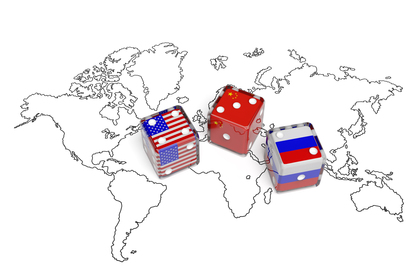
sanctions and counter-sanctions Courtesy: Shutterstock
15 July 2021

Sanctions and counter-sanctions

For years, Western countries have used sanctions as a means of economic warfare against their adversaries. Now, China and Russia are utilising the same tactic against the West. The United Nations Security Council is paralysed by differences between the five permanent members, leaving the tools of unilateral sanctions and counter-sanctions to proliferate at the cost of UN-approved multilateral sanctions.

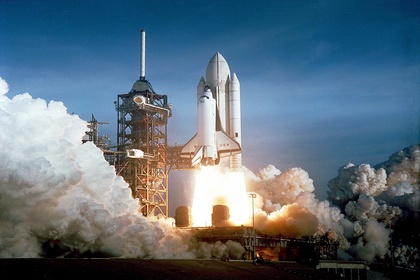
First,Space,Shuttle,Launch,On,April,12,,1981.,Astronauts,John Courtesy: Shutterstock
8 July 2021

Economic goals will drive space exploration

With the U.S.-led Artemis Accords gathering momentum, and China and Russia joining hands, space exploration is becoming economically important. Countries increasingly want to participate in the space exploration economy and are partnering with space superpowers that have aligned geopolitical and geoeconomic interests. India, too, must do the same, says Dr. Chaitanya Giri, Fellow, Space and Ocean Studies Programme.

shutterstock_1091235845 Courtesy: Shutterstock
15 October 2020

UN: Necessary but reformed

The UN turned 75 this year but instead of grand celebrations, the world witnessed an empty UNGA with world leaders addressing it via video screening because of the pandemic. The UN is under unprecedented stress and being shown up for its inability to tackle the challenges of today like the pandemics, climate change, terrorism or global peace and security. The institution's key governing structures, especially the UN Security Council, are inadequate and demand reform. India must now use gritty resolve to ensure its place in these governing structures.

CG Courtesy: USGS/Wikimedia
6 August 2020

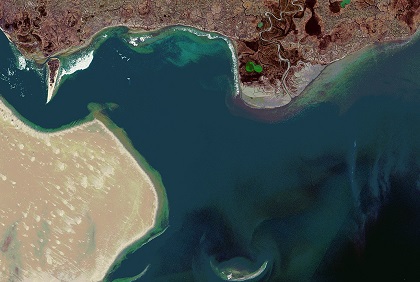
Geospatial shutter control for India

The recent use of geospatial analyses by Indian social and mainstream media for near real-time defence and military intelligence in Ladakh has been made possible because of the lower cost of earth-observation satellite construction, and thereby, easy access to satellite imagery on the internet. While independent analysis is useful, the same intelligence can be also used against the interests of a sovereign nation by an adversary, especially border imagery. India must find innovative methods to reduce this vulnerability of commercial satellite imagery.