the influence of phil in the UN  (1) Courtesy: Debarpan Das
5 February 2026

Influence of philanthropies in the UN

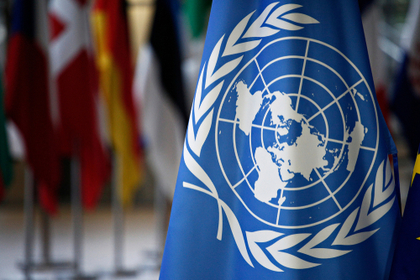
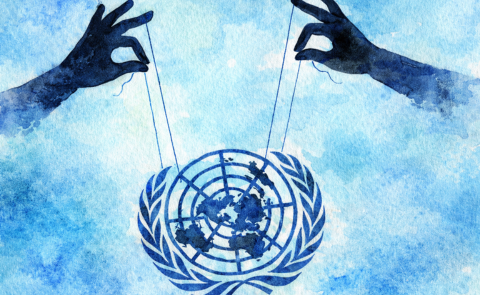
Over the last few decades, countries have stopped, delayed, or withheld their UN dues. The UN’s increasing financial needs have led to the acceptance of “voluntary” contributions. Those which come from any entities or individuals and are now its largest income stream. The biggest of these donors are the global philanthropies, which often have differing agendas from the UN’s responsibilities. This report studies these contributions and examines the linkages between donor priorities and UN mandates.
2 (6) Courtesy: Gateway House
5 February 2026

Influence of philanthropies in the UN

On January 7, 2026, the U.S. government announced its withdrawal from 31 UN organisations. This is a shock to the UN system. Several other countries have halted or only partially paid their dues over the years, creating a major funding gap. To cover for it, the UN has turned to “voluntary contributions” which come from philanthropic and private actors. Their misaligned mandates are distorting UN priorities.

renergy crisis photo Courtesy: Economic Times
26 May 2022

India in the global commodity shock

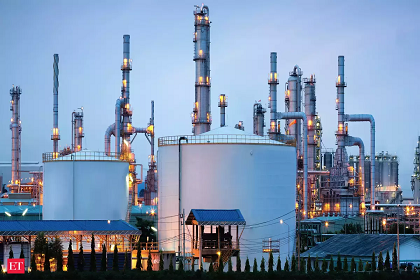
The warning signs were visible long before the Ukraine conflict. Years of insufficient investment into oil and gas production resulted in high price, and shortages. With investors keeping away from traditional fuels, the conflict in Ukraine precipitated the inevitable. Energy-dependent India must now insulate its supply chains.

quad fm photo mea Courtesy: Ministry Of External Affairs
24 February 2022

The Quad converges beyond China

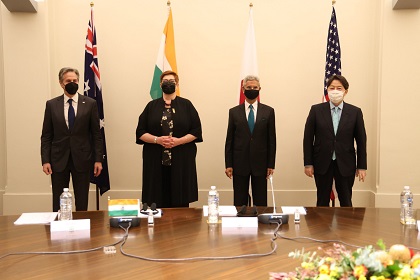
The Quad Foreign Ministers’ Meeting, held in Melbourne on February 11, revealed an ambitious plan for economic and developmental affairs, beyond the security concerns posed by China. Despite differing approaches towards Myanmar and Ukraine, the Quad countries are strengthening their cooperation while maintaining strategic autonomy.

shutterstock_1091235845 Courtesy: Shutterstock
15 October 2020

UN: Necessary but reformed

The UN turned 75 this year but instead of grand celebrations, the world witnessed an empty UNGA with world leaders addressing it via video screening because of the pandemic. The UN is under unprecedented stress and being shown up for its inability to tackle the challenges of today like the pandemics, climate change, terrorism or global peace and security. The institution's key governing structures, especially the UN Security Council, are inadequate and demand reform. India must now use gritty resolve to ensure its place in these governing structures.

indias-global-energy-footprint Courtesy: Gateway House
14 February 2017

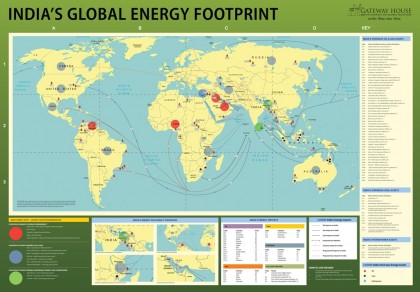
India’s global energy footprint

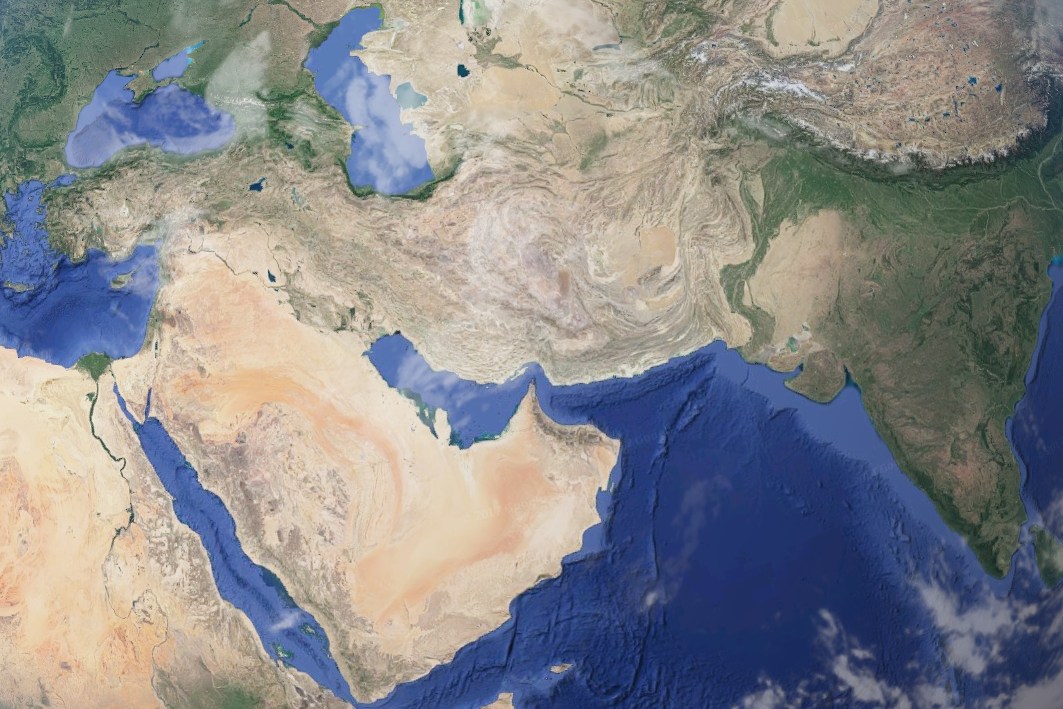
Trends in technology, geopolitics and geoeconomics have dramatically transformed the global energy scenario in the last two years. This means favourable conditions for import-dependent India, which must use the opportunities available to reduce its vulnerability to high energy prices. The jump in oil prices past the $60 mark suggests that India must act with alacrity. India’s Energy Footprint Map offers a profile of India’s global trade and investment in energy, and indicates what India can do to access cheap and reliable supplies

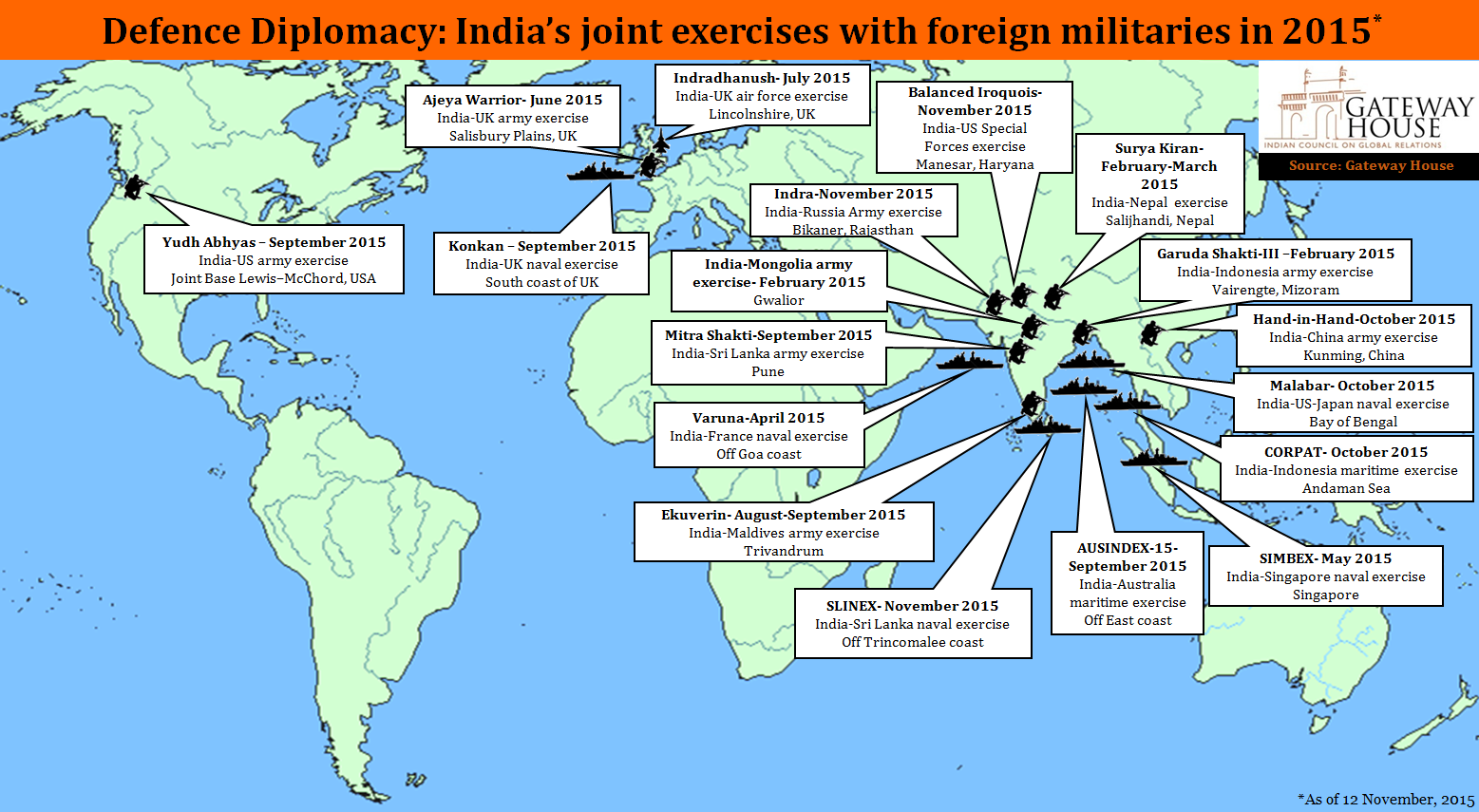
This year, India's defence diplomacy has ramped up. In 2015 alone there have been 18 military exercises- naval, army and air force- with 13 countries, among the largest engagements the country has had. Most significant is Japan joining the Malabar exercises in the Bay of Bengal and the first-ever maritime exercise with Australia. This is increasing India's presence from the Arabian Sea to the Bay of Bengal. As these exercises intensify India will be better positioned to handle regional security challenges. Courtesy:
12 November 2015

India’s defence diplomacy

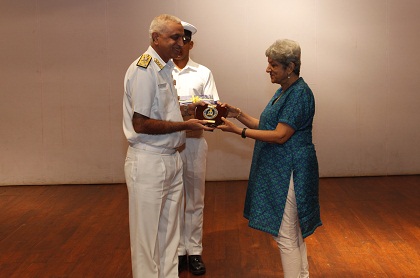
This year, India's defence diplomacy has ramped up. In 2015 alone there have been 18 military exercises- naval, army and air force- with 13 countries, among the largest engagements the country has had. Most significant is Japan joining the Malabar exercises in the Bay of Bengal and the first-ever maritime exercise with Australia. This is increasing India's presence from the Arabian Sea to the Bay of Bengal. As these exercises intensify India will be better positioned to handle regional security challenges.