Trump’s Iran sanctions hit India
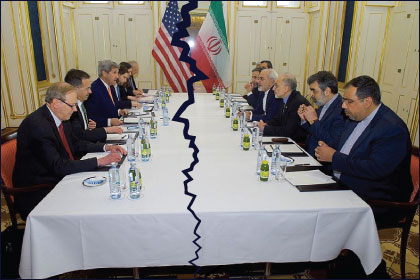
India may end up being the unintended victim of renewed U.S. sanctions on Iran. It will push up the price of oil and cost India billions of dollars annually

 Courtesy: Gateway House
India may end up being the unintended victim of renewed U.S. sanctions on Iran. It will push up the price of oil and cost India billions of dollars annually
 Courtesy: Wikimedia Commons
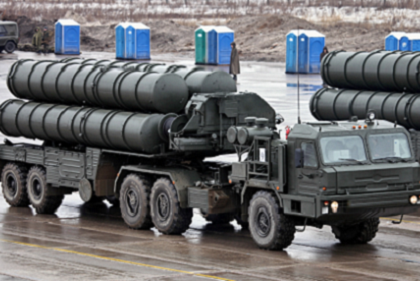
American sanctions on Russian defence companies may end up hurting an innocent bystander: India's defence sector. In particular, they could threaten Indian military procurement, and also may complicate India’s attempts to produce more of its own defence hardware. India needs to study the issue closely to prepare for what may come
 Courtesy: Gateway House
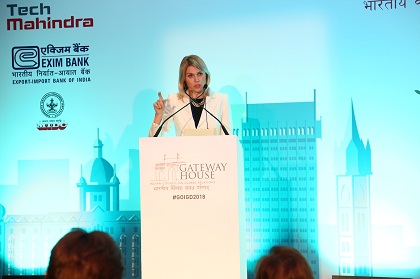
Digital development can bring significant economic gains – from a better business environment to job growth and improved public finances, said Urve Palo, Minister of Entrepreneurship and Information Technology, Republic of Estonia
 Courtesy: Gateway House
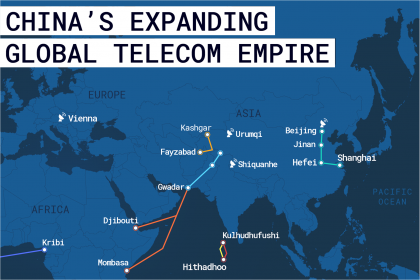
China is steadily deploying state-of-the-art communications systems to connect its strategic and economic assets in Asia. It is then linkingthe Asian mainland to Africa, and Africa to South America. The investment spree is rapidly making Beijing a major player in global telecommunications – and ‘informationisation warfare’.
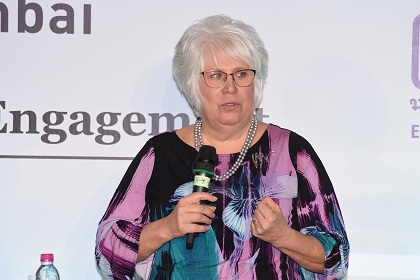
Marina Kaljurand, Chair, Global Commission on Stability of Cyberspace, Brussels, Belgium, said governments had to collaborate closely with lawyers, and the private sector, which is leading some major developments
 Courtesy: Government of South Africa/ Flickr
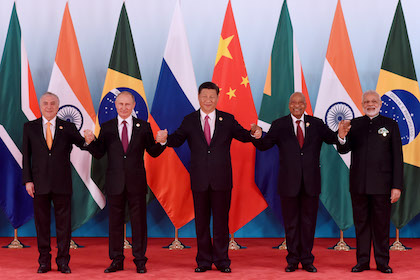
Internal political constraints dog it currently, but if overcome, South Africa can be a good chairman to BRICS and IORA in 2018. It also has a tough balancing act to perform between two great Asian powers, China and India
 Courtesy: Debating Security Plus
From 26-28 September, Brussels-based think tank, Friends of Europe organised an online brainstorming on global security issues called Debating Security Plus 2017. As part of this, Gateway House moderated the discussion on hybrid and asymmetric warfare. Below is the summary of that discussion, from the final report of the Debating Security Plus.
 Courtesy: Halifax Conference Twitter
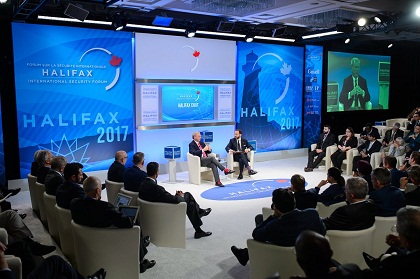
The Halifax International Security Forum offered western policy makers and strategic analysts a chance to reflect on the state of the trans-Atlantic security alliance, especially with the United States under the Trump administration, its relations with Russia, and China’s peaking global ambitions
 Courtesy: to put
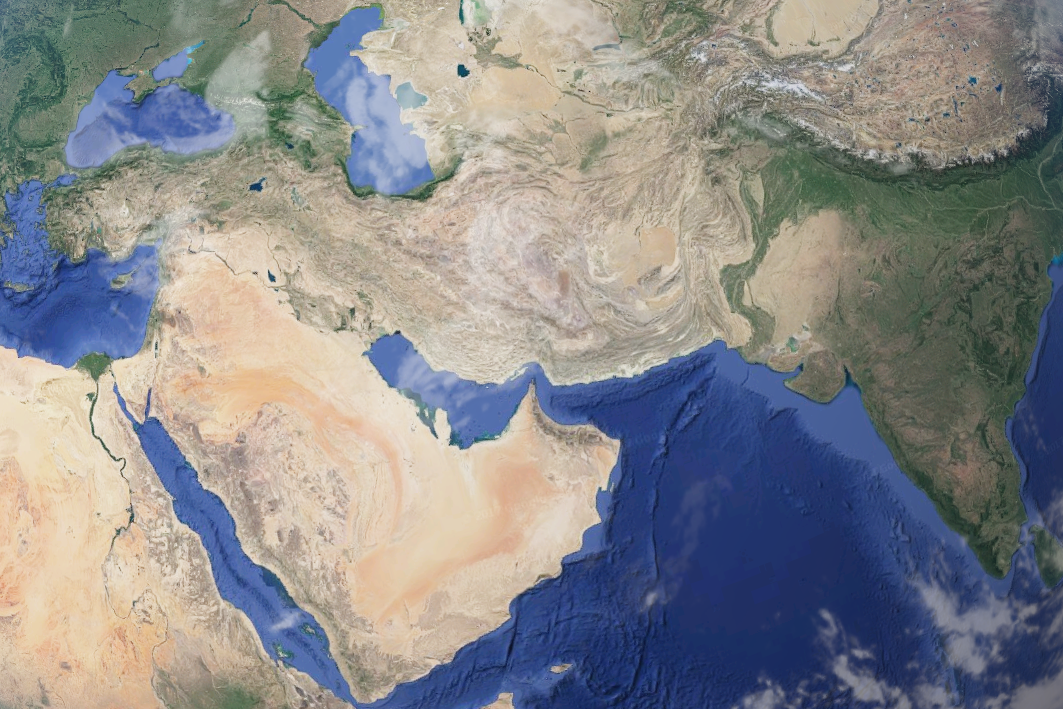
A conference in Doha on ‘Enriching the Middle East’s Economic Future’ offered many insights into the nature of geopolitical relations in the region and India’s significant role in it
 Courtesy:
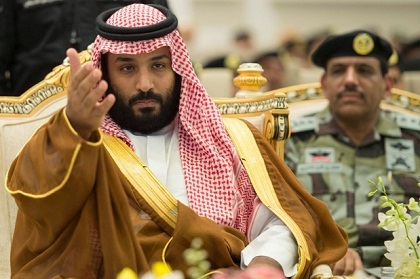
The removal of 11 top ministers in the Riyadh government last week by the young crown prince Mohammad bin Salman, is a geopolitical upheaval, the implications are serious. Domestically, the kingdom is seeking to liberalise its conservative society and move away from oil-dependency – evident from the expected listing of its crown jewel Aramco. For India, which imports oil largely from West Asia, instability could cause a spike in prices, leaving less for its ambitious reforms. Globally, there is now space for new alignments – in the Great Power plays, in the Shia-Sunni rivalry, and in the war on terrorism.