PM Modi’s five-nation tour
PM Modi's five-nation tour highlights that despite geopolitical conflicts, New Delhi remains confident in its ability to balance relationships with the North and South.

 Courtesy: X / PMOIndia
PM Modi's five-nation tour highlights that despite geopolitical conflicts, New Delhi remains confident in its ability to balance relationships with the North and South.
 Courtesy: Gateway House
Over two centuries, the U.S. has amassed vast economic powers across the globe during and after the two World Wars , and sanctions slowly became an effective tool it used to achieve its foreign policy goals, becoming the global emperor of sanctions.
 Courtesy: Körber-Stiftung
The world is undergoing profound transformations that are not being driven only by the United States, China or Russia. Small and medium-sized States are carving out a legitimate place for themselves in the emerging new order. This second edition of our annual Emerging Middle Powers Report is a reminder that the signs of the times are showing a new momentum for middle powers.
 Courtesy: Atlantic Council
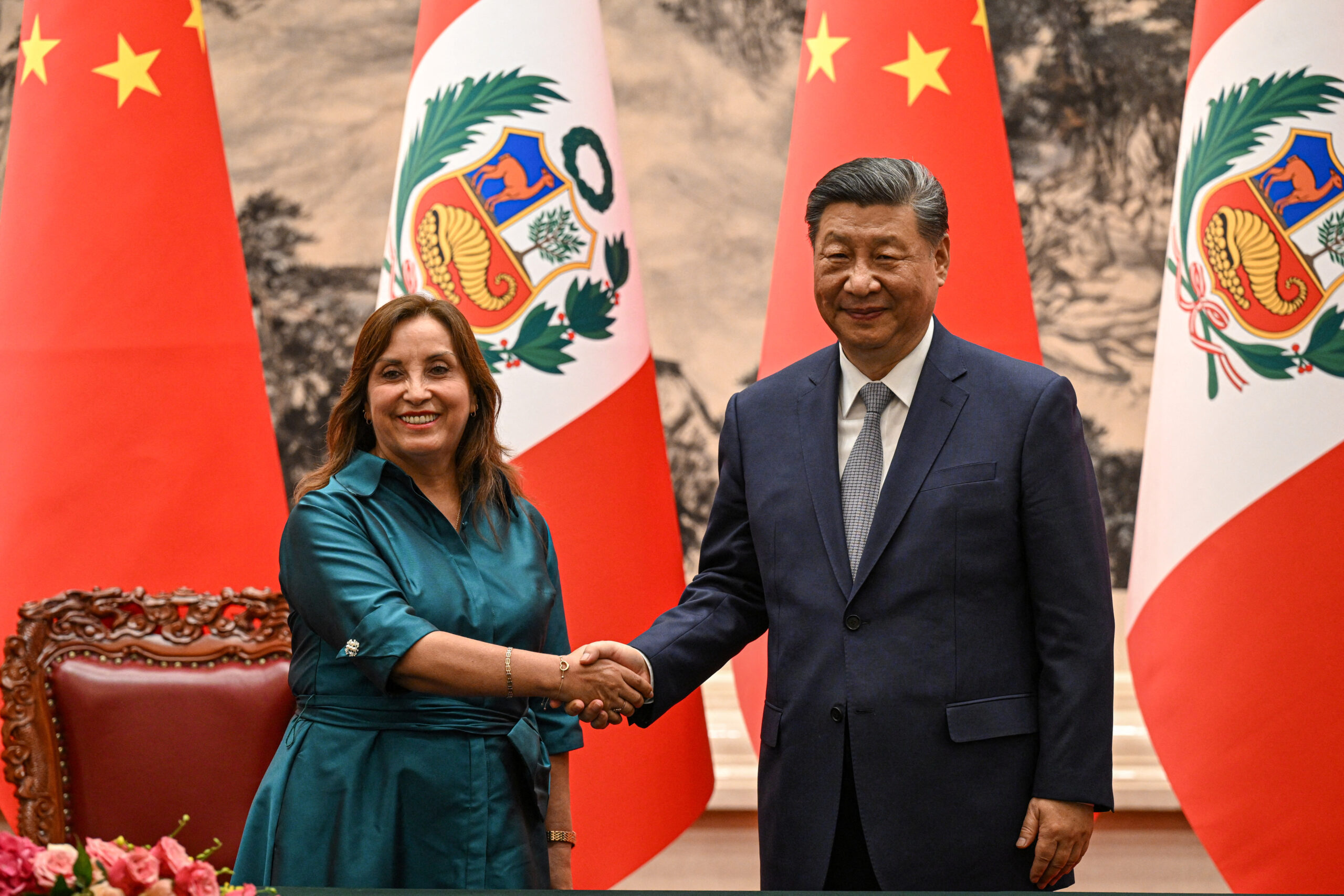
Xi Jinping’s visit to South America to attend the APEC and G20 meetings had multiple goals. To inaugurate a new gateway for China in Peru’s Chancay port, sign three dozen cooperation agreements with Brazil, and make nice with the continent’s nations from Chile to the Honduras. Did it succeed in expanding China’s influence in the region? Most certainly, yes.
 Courtesy:
India hosted the third Global South Summit virtually on August 17. Such summits are a necessary platform to network with other developing countries and bring neglected issues to attention. But now they must do more than be tick-box events. They must have achievable milestones, actively share experiences and solutions, and show how they matter.
 Courtesy: Körber-Stiftung
Divergent global reactions to major crises such as those sparked by the war in Ukraine and NATO’s Afghanistan withdrawal have widened the chasm between Western countries and emerging middle powers. This survey, conducted among nearly 1,000 experts from India, Brazil, South Africa and Germany, examines key foreign policy priorities in these countries, and reveals that despite differences, dialogue is possible.
 Courtesy: Gateway House
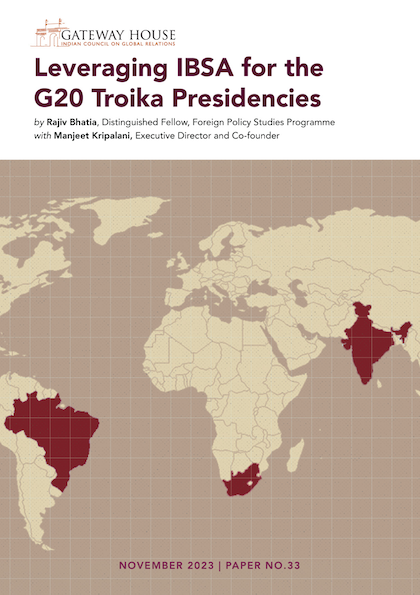
On December 1, 2023, India will hand over the G20 Presidency to Brazil. The G20 troika will now comprise the three IBSA countries – India, Brazil, South Africa – till November 2025. This trio has an agenda in common and with the G20, such as multilateral reform, energy transitions and digitalisation. IBSA should use its mechanisms and natural solidarity to advance the interests of the Global South.
 Courtesy: Fox News
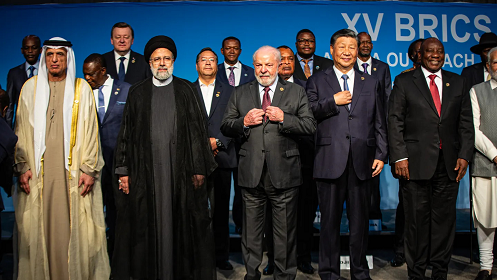
The decision to invite six countries — Argentina, Egypt, Ethiopia, Iran, Saudi Arabia, and the UAE — to join BRICS as full members has opened the grouping to a new geopolitical era. India can now play a seminal but challenging role in this evolved dynamic, given its growing cooperation with the West on the one hand and its active pursuit of the interests of the Global South on the other.
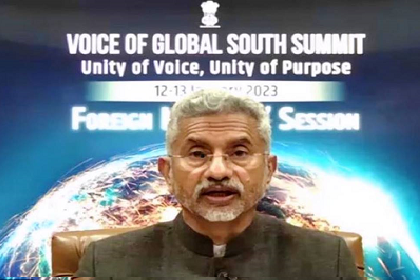 Courtesy: Twitter/@DrSJaishankar
The recent Voice of the Global South Summit in New Delhi attracted 125 developing countries, and some tangible outcomes for India to carry to its G20 presidency agenda. It showed India's equity to be intact, despite a perception that in the past decade, India has moved away from NAM and closer to the developed West.
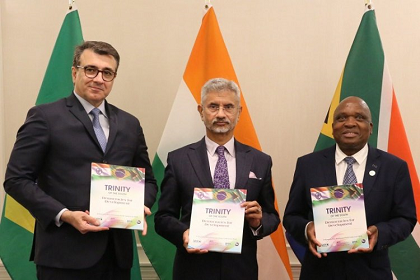 Courtesy: PTI
The consecutive Presidencies of the G20 for India, Brazil and South Africa provides a rare, unique opportunity to forge an agenda common to both the G20 and IBSA. The timing is coincident: with Russia and China consumed by conflict and zero-Covid respectively, BRICS has receded. IBSA can convert both crises into an opportunity and become relevant to the Global South’s current and future challenges.