Oil not a worry in 2024
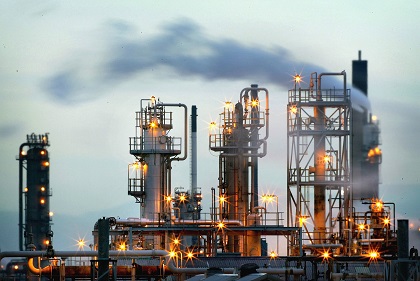
A well-supplied oil market, along with new investments in oil exploration and production means that pending a major disaster, India will not have to worry about oil prices in the coming year.

 Courtesy: CNBC
A well-supplied oil market, along with new investments in oil exploration and production means that pending a major disaster, India will not have to worry about oil prices in the coming year.
 Courtesy: Swarajya
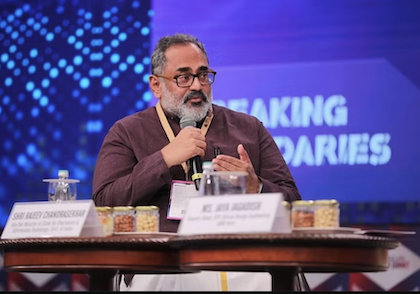
The inaugural summit of the Global Partnership on Artificial Intelligence (GPAI), hosted by India earlier this month, drew special attention given the dramatic strides made in the field in the past year. As it prepares to chair the GPAI in 2024, India can draw on its large workforce, the university system and the technology stack to steer conversations on AI regulation, innovation and deployment towards a balanced and equitable path.
 Courtesy: DD News
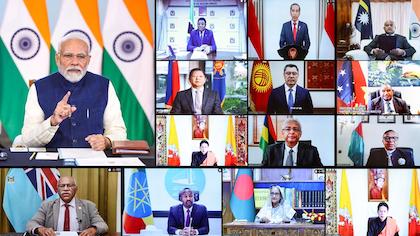
On November 17, India hosted the Voice of the Global South Summit – the second such meeting this year. While the first summit helped India mould the agenda for its G20 presidency, this latest meeting, convened towards the end of the presidency, was aimed at sustaining the momentum, with the support of developing countries, for the implementation of G20 decisions.
 Courtesy: Times Now
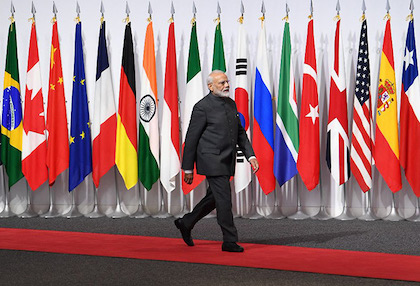
The outbreak of the Israel-Hamas war less than a month after the conclusion of the New Delhi Summit has heightened the geopolitical anxieties that hovered over India’s G20 presidency year. As the baton passes to Brazil, purposeful action, careful diplomacy and managing conflicting interests will be key to the implementation of the Summit’s commitments.
 Courtesy: NewsDrum
Eighteenth century Bombay was home to two Jewish communities: Marathi-speaking Bene-Israel Jews and Judeo-Arabic-speaking Baghdadi Jews. The city was a a major hub for employment, business, religious, community, and cultural life. These activities were formerly dispersed among many hubs across the Middle-East for the Baghdadi Jews, and among the villages of the North Konkan for the Bene-Israel.
 Courtesy: The Times of India
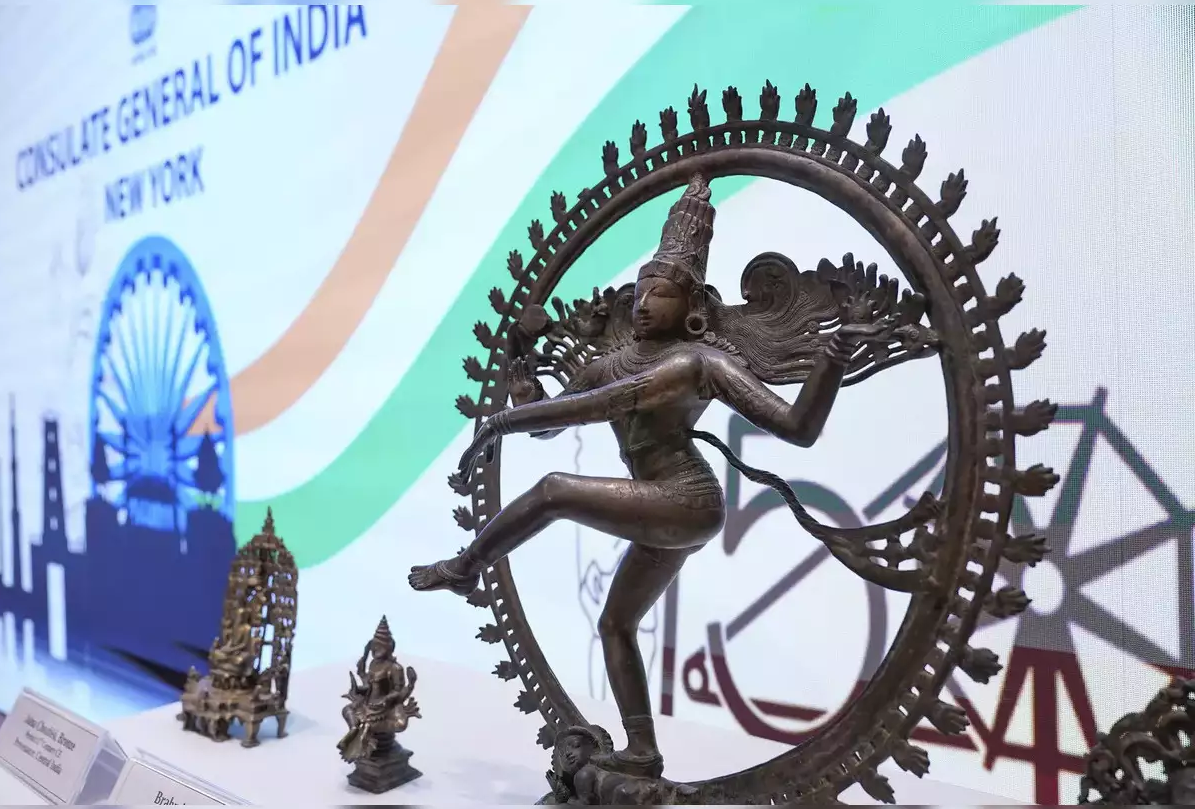
This year, India recovered over 100 stolen antiquities from different countries, part of 324 brought back to the country over the decade. This is part of an increasing global effort to tackle art trafficking. India can use the momentum to strengthen its own legal and policy mechanisms for accelerated recovery, restitution, and conservation of its cultural heritage.
 Courtesy: CSIS
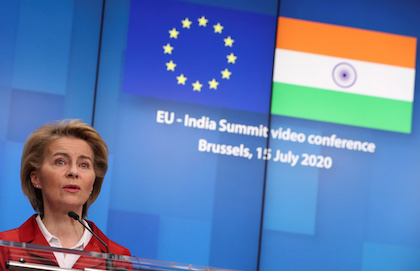
Europe's increased focus on the Indo-Pacific and the deepening economic and technological collaboration with India offer mutual benefits. However, the EU's ambivalent approach towards China, and the desire of most European states to maintain neutrality in the U.S.-China rivalry might not be sustainable in the long run.
 Courtesy: The Indian Express
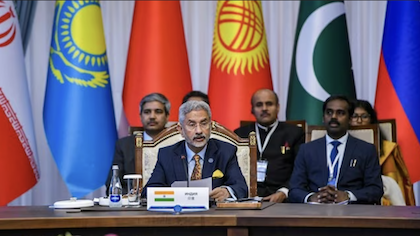
At the meeting of the Shanghai Cooperation Organisation (SCO) on October 26, Foreign Minister S. Jaishankar stressed the importance of maintaining regional stability and enhancing economic cooperation in Central Asia. Achieving its economic and strategic objectives in the SCO will become a challenge for Indian diplomacy next year, when Pakistan takes on the chairmanship of the grouping.
 Courtesy: Mint
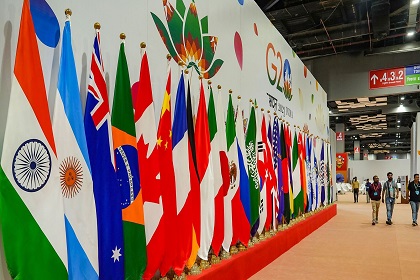
The National Education Policy (2020) has made internationalisation a key priority for Indian higher education. However, gaps remains because the NEP does not offer foreign students opportunities to gain work experience in India. An expanded provision of student work visas is necessary to amplify the advantages of the NEP and tap the demographic and financial potential of an internationalised higher education ecosystem.
 Courtesy: Mint
The G20 summit in India and developments on its sidelines like the announcement of the IMEC, multiple bilateral meetings held by Prime Minister Modi, will all have long term geoeconomic and geopolitical impact. These, along with the summit deliberations and outcome are key to assess the future prospects of great power relations.