Regional impact of U.S.-Taliban deal
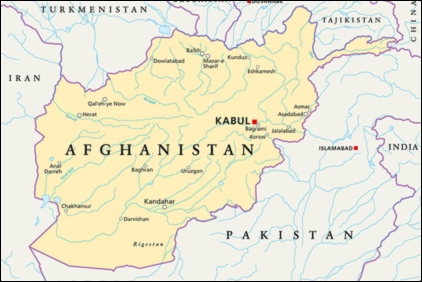
The U.S.-Taliban deal of 29 Feb favours some and disadvantages others in the region. This infographic shows how regional geopolitics will change

 Courtesy: Shutterstock
The U.S.-Taliban deal of 29 Feb favours some and disadvantages others in the region. This infographic shows how regional geopolitics will change
 Courtesy: Shutterstock
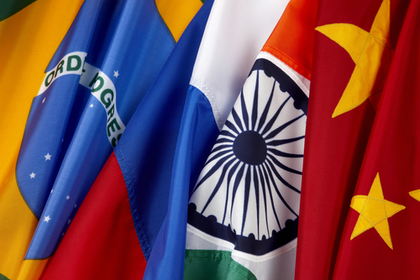
India will host four prestigious international conferences, such as the India-Africa Forum Summit and the subsidiary SCO Summit in the course of the next three years. These are historic opportunities for the country to show global leadership and fulfil a diplomatic agenda that involves handling strategic competition and advancing partnerships
 Courtesy: ibctrain.com
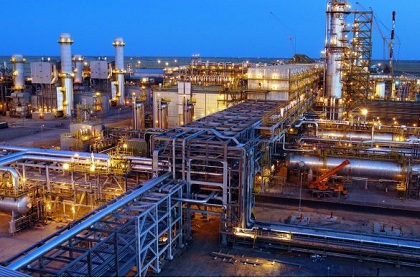
The main objective of the Shanghai Cooperation Organisation’s (SCO) Energy Club, when Russia formed it, was to market its member states’ substantial oil and natural gas reserves. This map shows some of the important natural gas pipelines, originating from Russia and its neighbouring countries that are not members of the SCO. What can India do to secure supplies from these abundant but currently inaccessible natural gas reserves?
 Courtesy: Gateway House
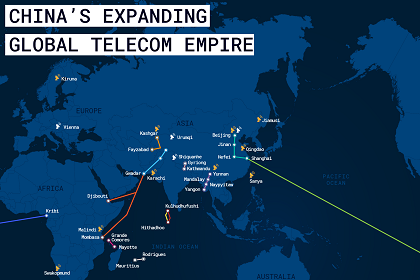
This version of the Gateway House Map on China’s Expanding Global Telecom Empire identifies some more telecommunication assets -- optic-fibre and satellite ground stations -- that Beijing is working on in South and Central America, Africa, Myanmar, the Indian Ocean Region and mainland China besides the existing ones, such as the Pakistan East Africa Cable Express (PEACE). It shows the direction China’s investment is taking, its diplomatic overtures and the larger geopolitical implications of its growing telecom empire
 Courtesy:
Amit Bhandari, Fellow, Energy and Environment Studies, Gateway House, and Kunal Kulkarni, Senior Researcher, Gateway House, write an op-ed for The Asian Age on the possible implications of U.S. President Donald Trump’s recent announcement to withdraw from the JCPOA, more colloquially Read more
 Courtesy: Wikipedia
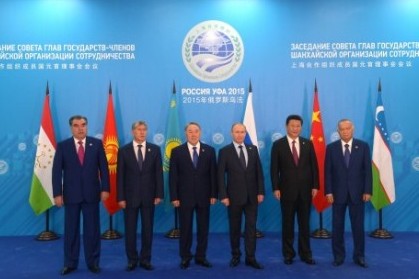
India’s forthcoming membership in the Shanghai Cooperation Organization (SCO) will benefit the SCO, Central Asia, Russia, China, as well as India itself. While India will be able to promote its own security, strategic, trade, economic, and energy interests in Central Asia, the SCO will benefit from India's rapid growing economy and its experience in counter-terrorism.
 Courtesy: Wikipedia
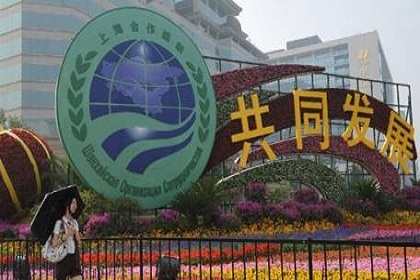
Prime Minister Narendra Modi’s recent visit to Central Asia is an important moment for Indian business to increase its presence in the region. Before doing so, it must consider the region’s geopolitical and security challenges—but once past these hurdles, the region has many investment opportunities
 Courtesy: PK times
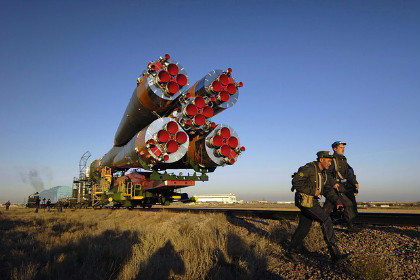
India becoming a full member of the Shanghai Cooperation Organisation will be a significant moment in its engagement with Central Asia. However, there are not a lot of security or other benefits to be gained
 Courtesy:
India must quickly recognise the evolving changes, challenges, and opportunities in Central Asia to avoid being relegated to the periphery of Eurasian trade AND geopolitics. It is now up to Prime Minister Modi to manage a rebalancing in Central Asia through diplomacy and cooperation rather than competition
 Courtesy: wikimedia
The fall in oil prices is creating new complexities for the energy exporting economies of West Asia. With smaller profits, these countries may not be able to buy off political dissent at home and fund client governments and rebels abroad. Lower energy prices could also mean a renewed chance for peace