Website articles  (5) Courtesy: Körber-Stiftung
6 July 2026

Tested, Trusted, Torn? Emerging Middle Powers Report 2026

The third Emerging Middle Powers Report reveals interesting trends. In every recent year, the five countries surveyed – India, Germany, South Africa, Brazil, and Indonesia – have been tested by events to prove they can prevail over the contested terrain of global politics. A pattern has emerged linking them together: non-alignment is their preferred response to a fragmenting order.
the influence of phil in the UN  (1) Courtesy: Debarpan Das
5 February 2026

Influence of philanthropies in the UN

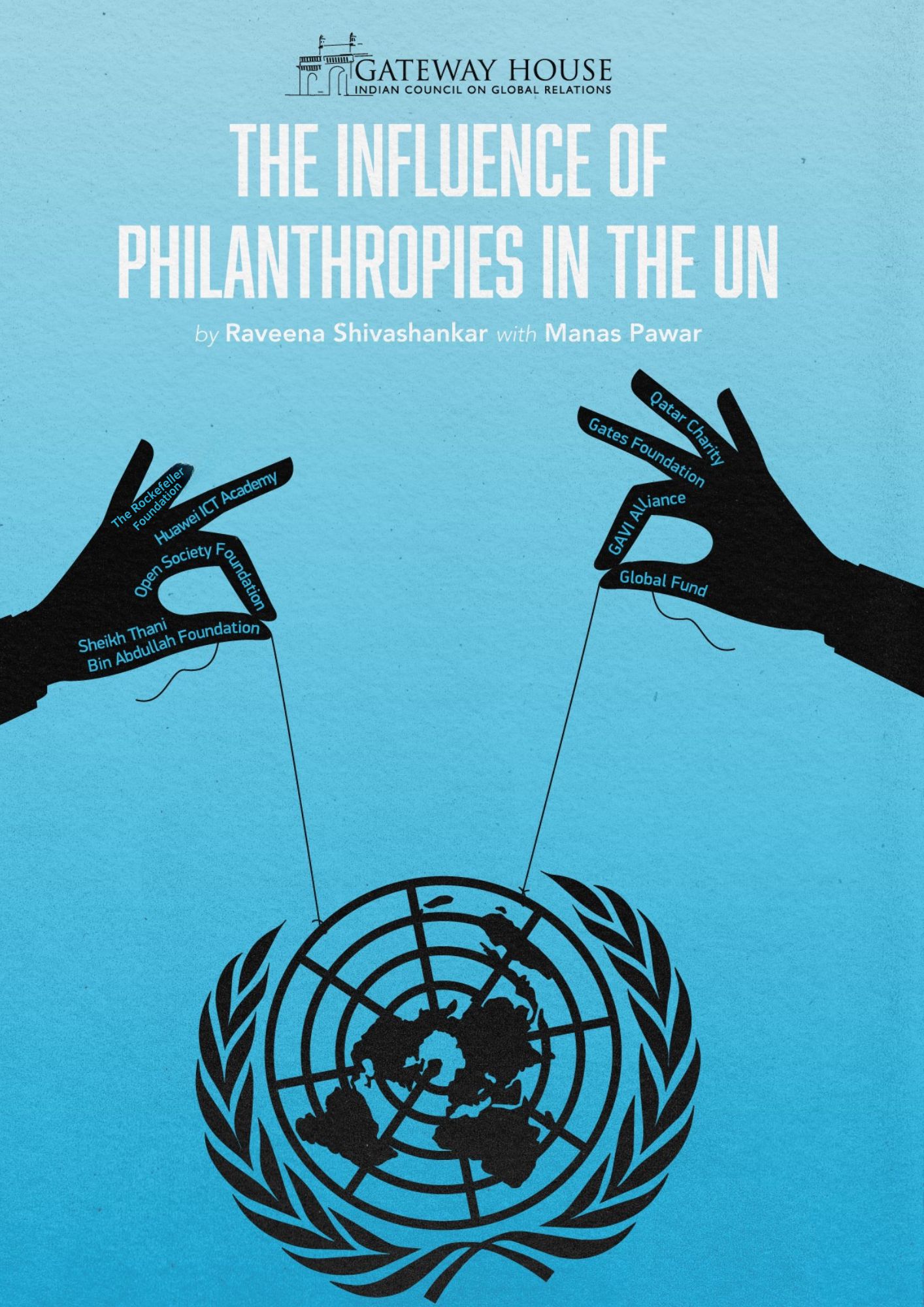
Over the last few decades, countries have stopped, delayed, or withheld their UN dues. The UN’s increasing financial needs have led to the acceptance of “voluntary” contributions. Those which come from any entities or individuals and are now its largest income stream. The biggest of these donors are the global philanthropies, which often have differing agendas from the UN’s responsibilities. This report studies these contributions and examines the linkages between donor priorities and UN mandates.

Screenshot 2025-10-13 103335 Courtesy: Körber-Stiftung
13 October 2025

Bandung at 70: Multilateralism in a New Era of Multi-Alignment

The world is facing multiple crises which are shaking the foundations of multilateralism. The West’s structures are faltering, and the need for effective and equitable cooperation is greater than ever. Seventy years after the 1955 Bandung Conference, its principles of sovereignty, territorial integrity, cooperation and solidarity remain vital. This report revisits Bandung’s relevance for today’s reform efforts, urging renewed Global South–Europe collaboration for a sustainable global future.

Report Courtesy: Körber-Stiftung
17 April 2025

Momentum for Middle Powers: Emerging Middle Powers Report

The world is undergoing profound transformations that are not being driven only by the United States, China or Russia. Small and medium-sized States are carving out a legitimate place for themselves in the emerging new order. This second edition of our annual Emerging Middle Powers Report is a reminder that the signs of the times are showing a new momentum for middle powers.

Germany no pickandchoose Courtesy: Sputnik News
21 March 2024

Power brings responsibility

Germany wants to find common ground in a multi-aligned world. For such a world to thrive, actors of consequence must take responsibility for shaping and protecting a free international order that is reliable, yet dynamic, for the benefit of all. When it comes to the global commons, there can be no pick-and-choose approach to foreign policy.

OladXModi Courtesy: Getty Images
21 March 2024

Still not weatherproof

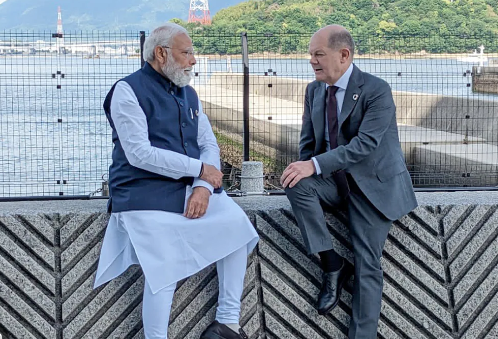
Germany is India's largest trade and economic partner in the EU, but the relationship with France is a class apart, given its strength in military aviation and willingness to be a differentiated member of the West. Must this remain so? If Germany and the EU would be more understanding of India’s democracy and its role in upholding a rules-based order, their relations would be greatly improved.

Report Photo Courtesy: Körber-Stiftung
18 March 2024

Listening Beyond the Echo Chamber: Emerging Middle Powers Report

Divergent global reactions to major crises such as those sparked by the war in Ukraine and NATO’s Afghanistan withdrawal have widened the chasm between Western countries and emerging middle powers. This survey, conducted among nearly 1,000 experts from India, Brazil, South Africa and Germany, examines key foreign policy priorities in these countries, and reveals that despite differences, dialogue is possible.

task force cover 420 Courtesy: Gateway House
16 February 2023

G20 Energy Transitions and Climate Finance Task Force Report

Significant progress has been made globally in adopting green energy. Technological advances, easier availability of capital and regulatory measures have helped. But progress is likely to slow due to the shocks caused by Covid-19 and the Ukraine crisis. How to continue the green transition whilst ensuring that lower-income countries have access to affordable energy? This Task Force offers recommendations for India’s G20 Presidency.

Critical-minerals-Australia-Government-strategy-640x400 Courtesy: Small Caps
28 July 2022

Partnering with Japan for critical minerals supply

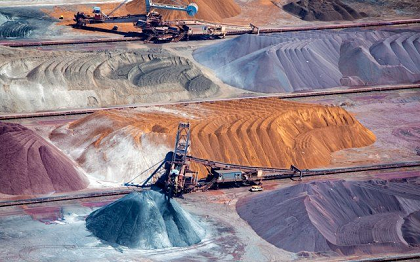
The supply of critical minerals, crucial for new and emerging technologies such as electric vehicles, electronics and renewable energy production, faces a significant disruption due to Covid and the Ukraine crisis. As the prices of these valuable resources surge, India can secure its supplies through the sagacious use of financial investments, efficient policies, and propriety technology. A collaboration with Japan can offer multifaceted benefits.

India-France_Cover-02 Courtesy: Gateway House
5 May 2022

India-France: A Reliable Partnership

India and France have long been reliable partners, and friends in need. The fifth meeting between the leaders of the two countries highlights the focus on strengthening cooperation in 21st century issues. The India-France Track 1.5 Dialogue, hosted by Gateway House, Mumbai and Ifri, Paris, explored the potential of cooperation in digitalisation and energy transition