Screenshot 2025-10-13 103335 Courtesy: Körber-Stiftung
13 October 2025

Bandung at 70: Multilateralism in a New Era of Multi-Alignment

The world is facing multiple crises which are shaking the foundations of multilateralism. The West’s structures are faltering, and the need for effective and equitable cooperation is greater than ever. Seventy years after the 1955 Bandung Conference, its principles of sovereignty, territorial integrity, cooperation and solidarity remain vital. This report revisits Bandung’s relevance for today’s reform efforts, urging renewed Global South–Europe collaboration for a sustainable global future.

Report Courtesy: Körber-Stiftung
17 April 2025

Momentum for Middle Powers: Emerging Middle Powers Report

The world is undergoing profound transformations that are not being driven only by the United States, China or Russia. Small and medium-sized States are carving out a legitimate place for themselves in the emerging new order. This second edition of our annual Emerging Middle Powers Report is a reminder that the signs of the times are showing a new momentum for middle powers.

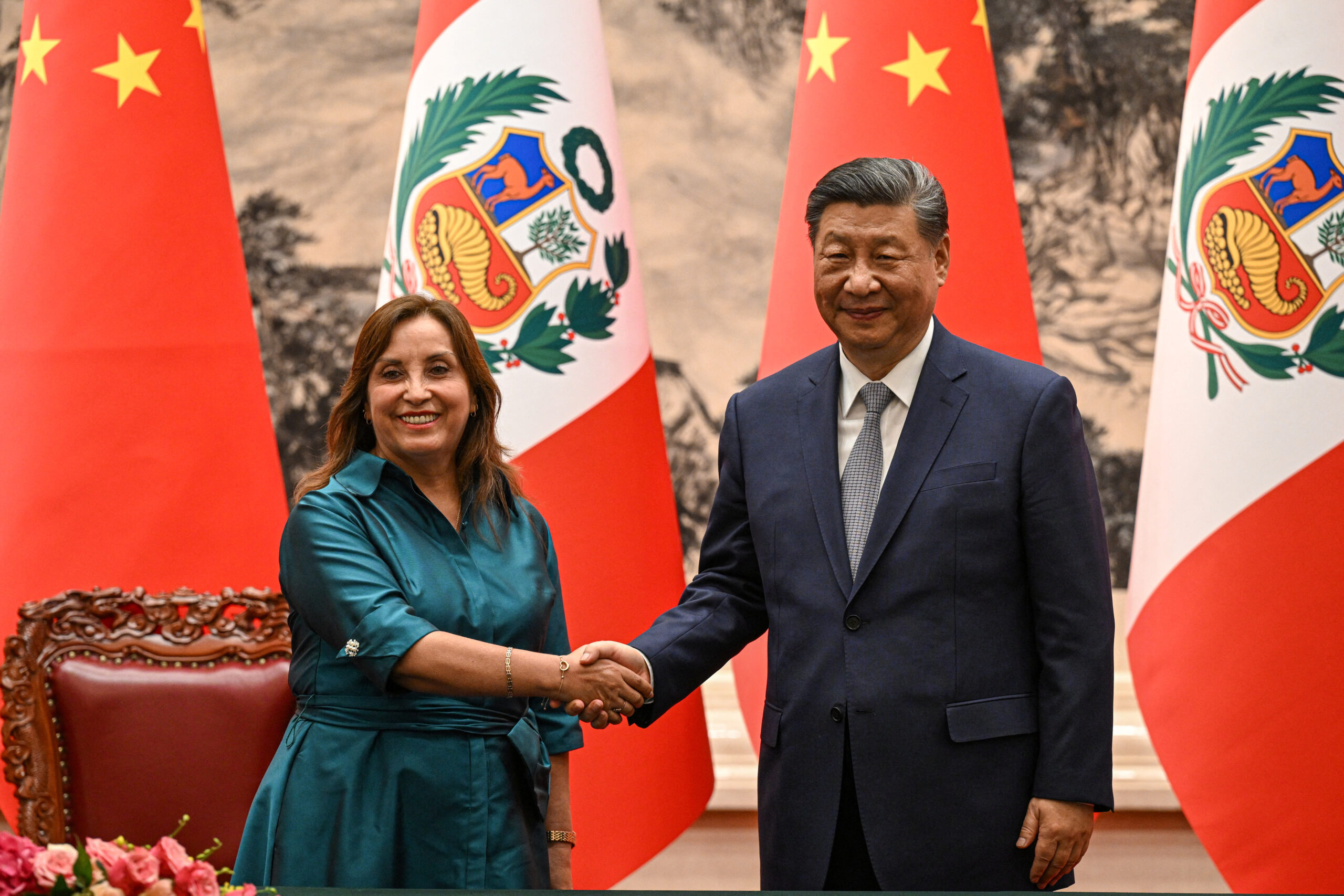
China's President Xi Jinping and Peru's President Dina Boluarte shake hands during a signing ceremony at the Great Hall of the People in Beijing, China June 28, 2024. JADE GAO/Pool via REUTERS Courtesy: Atlantic Council
12 December 2024

Xi Jingping’s Latin Success

Xi Jinping’s visit to South America to attend the APEC and G20 meetings had multiple goals. To inaugurate a new gateway for China in Peru’s Chancay port, sign three dozen cooperation agreements with Brazil, and make nice with the continent’s nations from Chile to the Honduras. Did it succeed in expanding China’s influence in the region? Most certainly, yes.

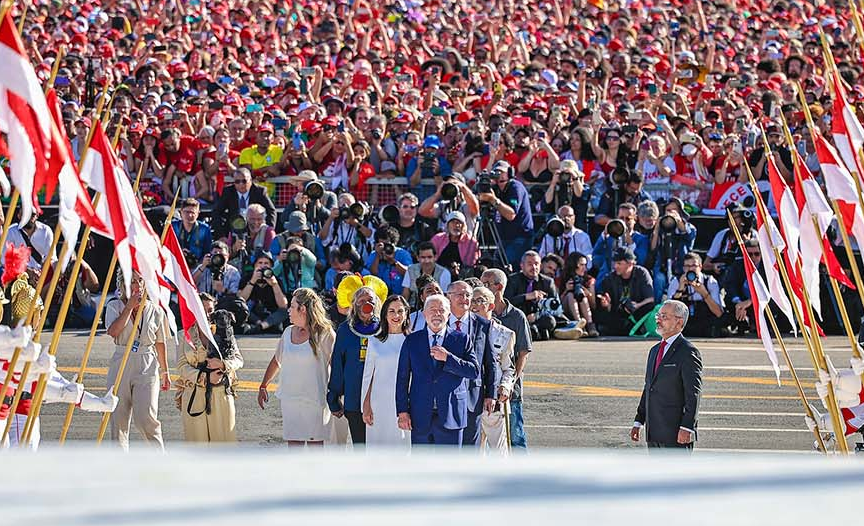
lula Courtesy: Real Institute of Elcano
21 March 2024

The perfect recipe?

Brazil has the right strategy to survive in a world full of crises: Unite with many to deliver for all. With the ongoing presidency of the G20 and leadership of the BRICS and COP30 on the way next year, Brazil is in a unique position to play a constructive role both regionally and on the world stage.

Report Photo Courtesy: Körber-Stiftung
18 March 2024

Listening Beyond the Echo Chamber: Emerging Middle Powers Report

Divergent global reactions to major crises such as those sparked by the war in Ukraine and NATO’s Afghanistan withdrawal have widened the chasm between Western countries and emerging middle powers. This survey, conducted among nearly 1,000 experts from India, Brazil, South Africa and Germany, examines key foreign policy priorities in these countries, and reveals that despite differences, dialogue is possible.

BRICS India website Courtesy:
24 August 2023

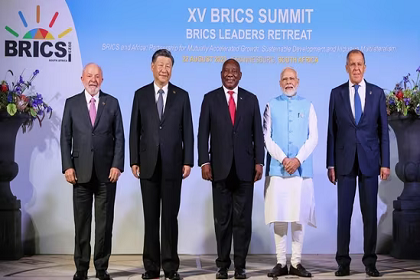
The BRICS Imperative

The BRICS Summit in Johannesburg has drawn international attention to the grouping’s past record of achievements and failures, its strained internal dynamics, and new challenges. As BRICS heads into its 18th year, its success and way forward will depend on the members’ ability to tackle the principal challenge of retaining its internal solidarity while balancing expansion and its impact and influence in the world.

task force cover 420 Courtesy: Gateway House
16 February 2023

G20 Energy Transitions and Climate Finance Task Force Report

Significant progress has been made globally in adopting green energy. Technological advances, easier availability of capital and regulatory measures have helped. But progress is likely to slow due to the shocks caused by Covid-19 and the Ukraine crisis. How to continue the green transition whilst ensuring that lower-income countries have access to affordable energy? This Task Force offers recommendations for India’s G20 Presidency.

indiabrics Courtesy: Gateway House
1 March 2012

India and the BRICS

The BRICS nations account for 45% of the world population, 25% of global GDP and 50% of recent global growth, and have the potential to create a future model. In 2012 Gateway House prepared a report that looks at the future of India and its BRICS counterparts

India-Brazil healthcare Courtesy: Gateway House
1 November 2011

India-Brazil: Combating the double disease burden

Today, both India and Brazil face the risk of an increase in communicable and non-communicable diseases, given the inefficient healthcare delivery systems. How can these nations help each other implement policy changes – to weed out hiccups to healthcare systems – and serve as a model for developing nations?