Website articles  (5) Courtesy: Körber-Stiftung
6 July 2026

Tested, Trusted, Torn? Emerging Middle Powers Report 2026

The third Emerging Middle Powers Report reveals interesting trends. In every recent year, the five countries surveyed – India, Germany, South Africa, Brazil, and Indonesia – have been tested by events to prove they can prevail over the contested terrain of global politics. A pattern has emerged linking them together: non-alignment is their preferred response to a fragmenting order.
Website articles  (71) Courtesy: Iran Front Page
2 April 2026

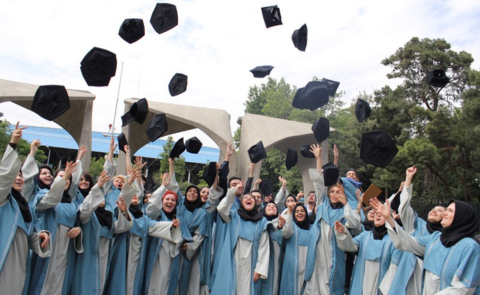
The siege of Iranian higher education

The transformation of higher education and research in Iran over the last twenty years is a cautionary tale in cultural sociology and political economy. Iran has transitioned from a global colleague with high rates of international collaboration to an isolated, ideologically purged state that has pivoted its innovation engine toward survival. The outward migration of talented Iranians is a terminal threat to the nation’s long-term prosperity.

the influence of phil in the UN  (1) Courtesy: Debarpan Das
5 February 2026

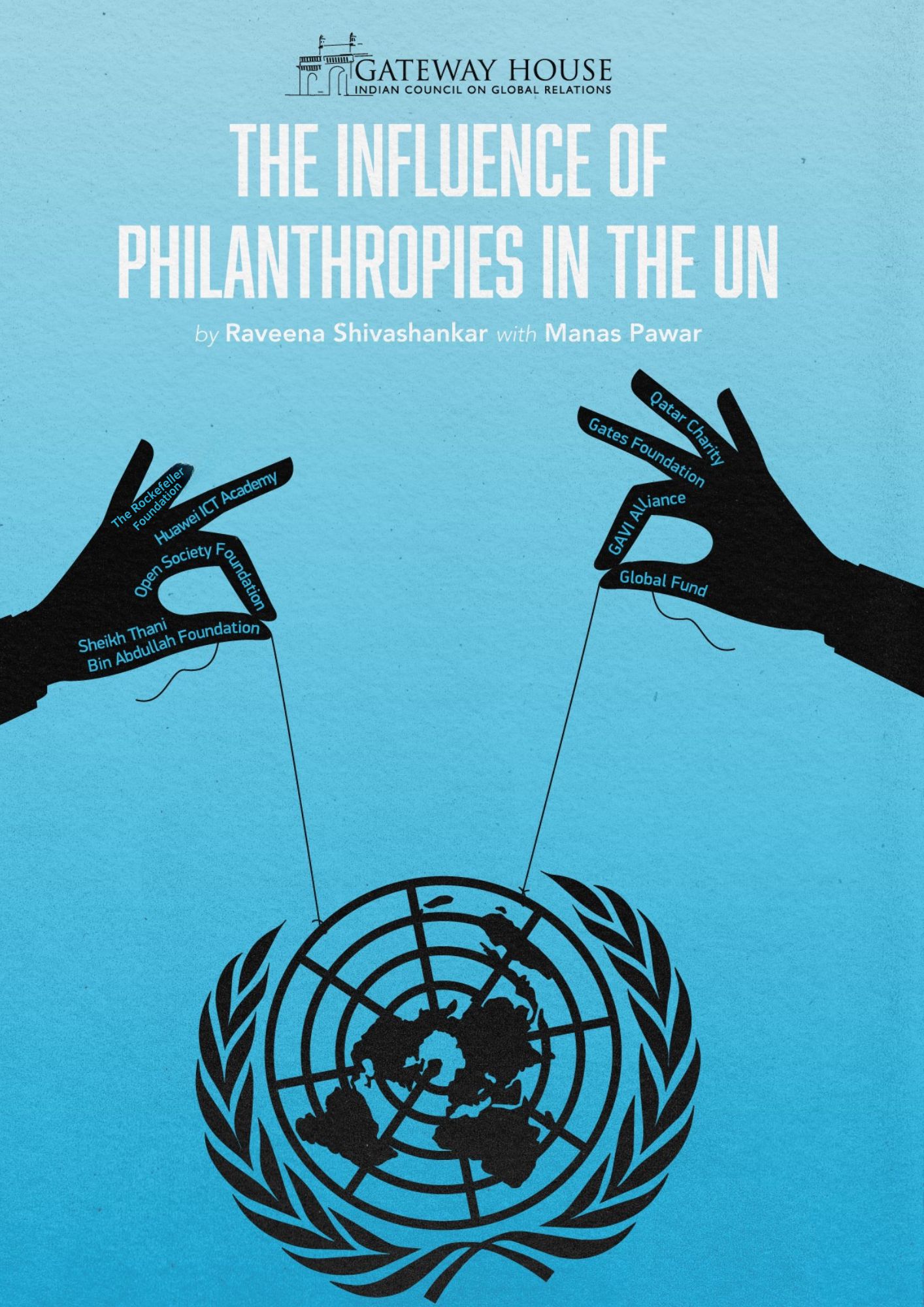
Influence of philanthropies in the UN

Over the last few decades, countries have stopped, delayed, or withheld their UN dues. The UN’s increasing financial needs have led to the acceptance of “voluntary” contributions. Those which come from any entities or individuals and are now its largest income stream. The biggest of these donors are the global philanthropies, which often have differing agendas from the UN’s responsibilities. This report studies these contributions and examines the linkages between donor priorities and UN mandates.

Screenshot 2025-10-13 103335 Courtesy: Körber-Stiftung
13 October 2025

Bandung at 70: Multilateralism in a New Era of Multi-Alignment

The world is facing multiple crises which are shaking the foundations of multilateralism. The West’s structures are faltering, and the need for effective and equitable cooperation is greater than ever. Seventy years after the 1955 Bandung Conference, its principles of sovereignty, territorial integrity, cooperation and solidarity remain vital. This report revisits Bandung’s relevance for today’s reform efforts, urging renewed Global South–Europe collaboration for a sustainable global future.

Report Courtesy: Körber-Stiftung
17 April 2025

Momentum for Middle Powers: Emerging Middle Powers Report

The world is undergoing profound transformations that are not being driven only by the United States, China or Russia. Small and medium-sized States are carving out a legitimate place for themselves in the emerging new order. This second edition of our annual Emerging Middle Powers Report is a reminder that the signs of the times are showing a new momentum for middle powers.

case study Courtesy: Gateway House
30 January 2025

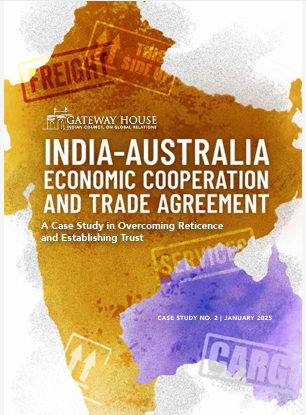
India-Australia Economic Cooperation and Trade Agreement

India and Australia signed an Economic Cooperation and Trade Agreement (ECTA) in December 2022. The ECTA is the first of a unique, two-part trade agreement that will bring India into global trade regimes in a calibrated manner. For Australia, with its global trading knowledge and pragmatic approach, gaining first-mover advantage in India’s large market is a major win. This case study explains the elements of ECTA.

Screenshot 2024-11-06 at 3.04.26 PM Courtesy: Gateway House
7 November 2024

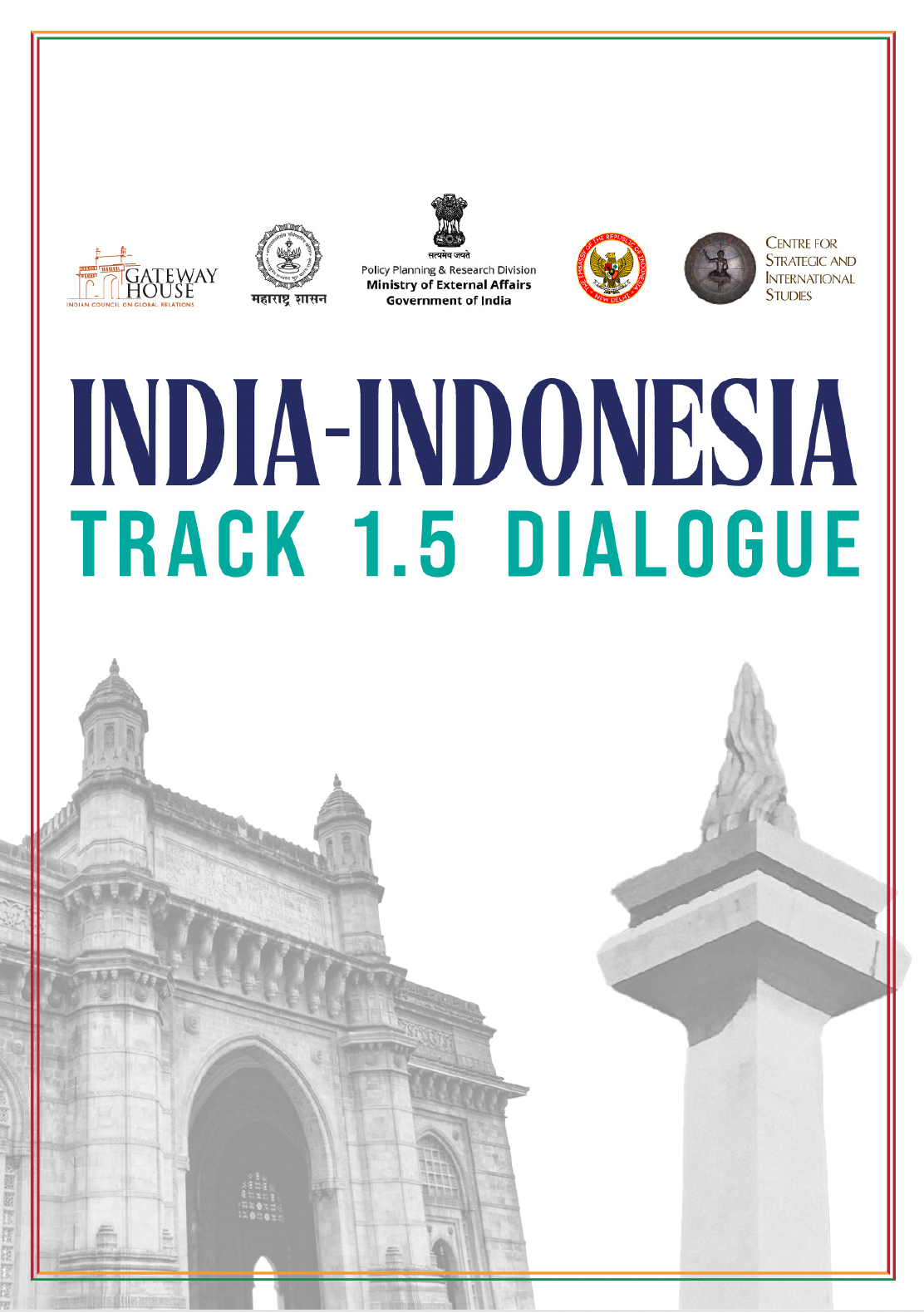
India-Indonesia: Companion Souls in a New Era

India and Indonesia have a comprehensive strategic relationship built on their ancient and modern histories, and a flourishing relationship sustained by trade, economic exchange and people-to-people contact. The India-Indonesia Track 1.5 Dialogue, hosted by Gateway House and the Centre for Strategic and International Studies, Indonesia, aims to provide policy recommendations to promote innovation and navigate evolving governance issues through bilateral and multilateral cooperation.

Banner_Final Courtesy:
31 October 2024

India-Myanmar: Borderland Dynamics

Gateway House presents a timeline that highlights the cross-border dynamics between Myanmar and India’s northeast. Myanmar’s military coup and breakdown of authority have aggravated existing local problems related to population displacement, border security, competition for resources and ethnic tensions. Now India must engage more directly with the entities that control land along its borders, and the local communities who know it best.

Germany no pickandchoose Courtesy: Sputnik News
21 March 2024

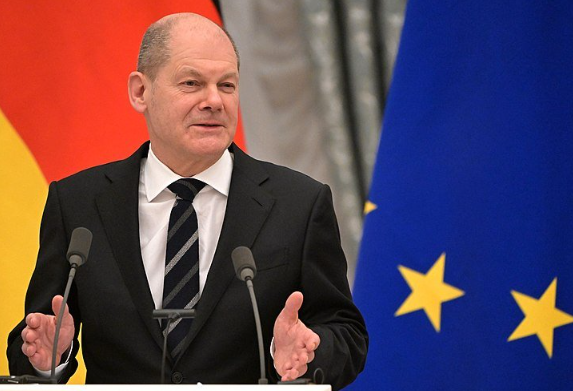
Power brings responsibility

Germany wants to find common ground in a multi-aligned world. For such a world to thrive, actors of consequence must take responsibility for shaping and protecting a free international order that is reliable, yet dynamic, for the benefit of all. When it comes to the global commons, there can be no pick-and-choose approach to foreign policy.

OladXModi Courtesy: Getty Images
21 March 2024

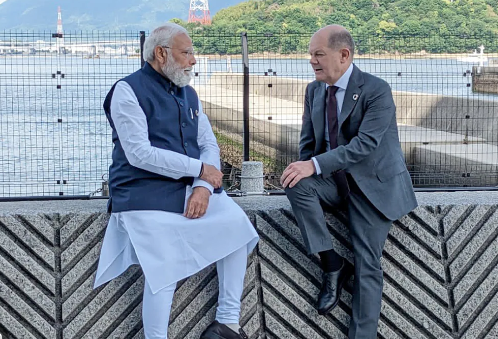
Still not weatherproof

Germany is India's largest trade and economic partner in the EU, but the relationship with France is a class apart, given its strength in military aviation and willingness to be a differentiated member of the West. Must this remain so? If Germany and the EU would be more understanding of India’s democracy and its role in upholding a rules-based order, their relations would be greatly improved.