Website articles  (85) Courtesy: FB / @The Statesman
30 April 2026

Legacy and new issues with India-Sri Lanka

India’s Vice President C. Radhakrishnan visited Sri Lanka from April 19-20, reaffirming Colombo’s importance in India’s Neighbourhood First Policy and MAHASAGAR vision. While ties remain stable, legacy issues persist: Tamil demands for devolution, illegal fishing disputes, and the stalled Economic and Technology Cooperation Agreement. The hope is for these to be resolved within Sri Lanka; till then, the unresolved challenges will continue to test the depth and durability of the bilateral.

Website articles  (84) Courtesy: Reuters
23 April 2026

India’s Neighbourhood First policy needs a reboot

Outcomes of the Neighbourhood First policy (NFP) are often mixed, shaped by actions on both sides. Recent engagements with Bangladesh, Myanmar, Sri Lanka, and Nepal suggest an opportune moment to recalibrate NFP, enhance its effectiveness, and bridge perceptions of India as an “elder brother” rather than a “big brother.”

Website articles  (73) Courtesy: AFR
2 April 2026

India’s options after the Persian Gulf war

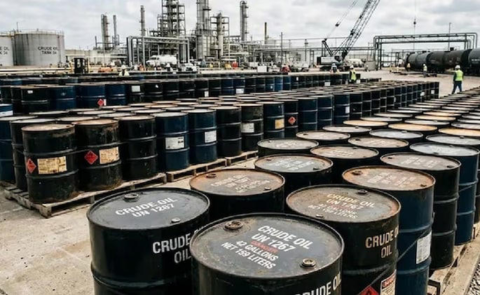
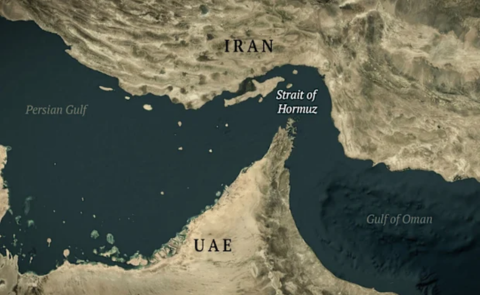
The Persian Gulf conflict has already impacted India’s oil imports and financial security. However, India has not created meaningful options to protect itself from oil shocks over the last decade – and such shocks will continue. Now is the time for India to make equity investments in oil and gas companies in stable economies like the U.S., Canada and Australia, to protect itself from future energy crises.

Website articles  (60) Courtesy: MSN
19 March 2026

Gulf War pinches South Asia

The war in the Persian Gulf has already caused significant disruption in India’s South Asian neighbours. A prolonged conflict is likely to push the region back into economic and political crises from which it had been hopeful of emerging this year.

Gateway House Courtesy: Gateway House
3 July 2025

China Plus One and global supply chains

A slowdown of the Chinese economy, and the shift, particularly by MNCs, from China to other more competitive locations has opened up business opportunities for latecomers to supply chains in the developing world. Evidence suggests that Southeast Asia and some South Asian countries like India, Sri Lanka, Bangladesh, could be beneficiaries of the supply chain shift, particularly in labour-intensive segments.

New Spotlight Magazine Courtesy: New Spotlight Magazine
19 June 2025

A case for South Asia energy connectivity

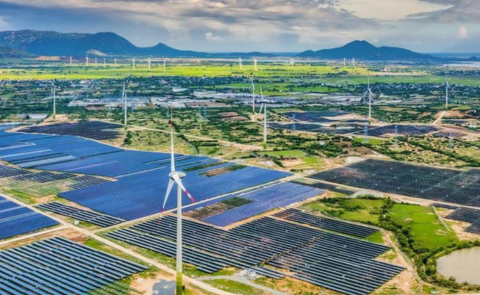
Building a robust engagement with India on energy can help offset some of the economic and political crises that most of India’s neighbours are facing. Smaller South Asian neighbours will benefit from cheaper electricity and oil, paving the way for greater regional economic cooperation.

PM Modi alongside other BIMSTEC leaders at 6th BIMSTEC Summit Courtesy: ANI
10 April 2025

BIMSTEC: Vision vs Reality

The 6th BIMSTEC Summit in Bangkok on April 4, 2025 saw progress for the organisation, such as the adoption of a ‘Vision 2030’ plan outlining its goals till 2030. In other areas, the grouping continues to lag. BIMSTEC must watch for potential challenges to its future as it seeks to bridge the gaps.

nawaz-modi-saarc-reuters Courtesy: The Wire
9 January 2024

India and South Asia: what to expect in 2024

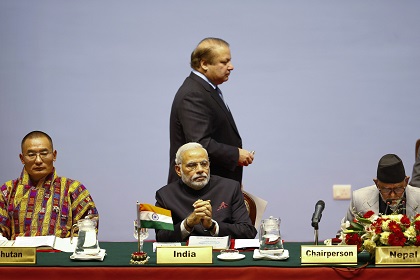
The more India enjoys cooperative relations with its neighbours, the greater its ability to exert influence in the world. Meanwhile, neighbours looking at India with a reasonable mindset may internalise that cooperating with the world’s fifth largest economy is clearly in their interest.

indian port Courtesy: Reuters
9 February 2023

Trading more within Asia makes economic sense

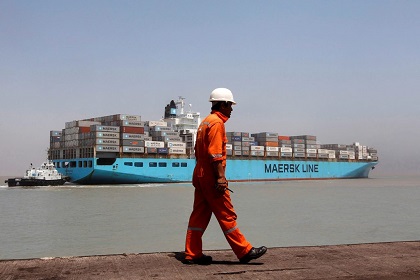
The International Monetary Fund’s recent warning of a slowing global trade comes as a sign for South Asia to reassess its regional trade within the continent. India, in its year of G20 Presidency and as South Asia’s largest economy, can use its platform to lead the way via dialogue, capacity building, and regulatory policies to encourage open regionalism in Asia.

Amb Gurjit Singh Courtesy: ANI
17 August 2022

75 years of development cooperation

Since 1947, India has had a proud record of development cooperation. It began even though it was newly independent and itself developing, but created a camaraderie with movements in other emerging countries. Now after 75 years, its time to move toward an FDI-led model, which will particularly help reduce the rising indebtedness in the developing world.