Turkey: Europe’s new gas hub?
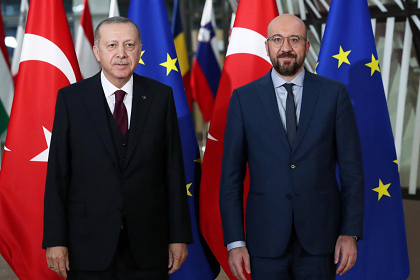
The Ukraine crisis has sent the EU scrambling for new gas supplies, generating fresh interest in gas pipelines from Central Asia and West Asia via Turkey. Practical difficulties make most of these new projects unviable.
Courtesy: Reuters
The Ukraine crisis has sent the EU scrambling for new gas supplies, generating fresh interest in gas pipelines from Central Asia and West Asia via Turkey. Practical difficulties make most of these new projects unviable.
Courtesy: The Guardian
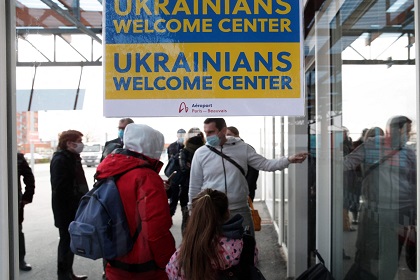
The unprecedented consensus within the EU in accepting Ukrainian refugees presents it as a global humanitarian power. But is this truly a ‘paradigm shift’ or is it a continuation of the West European Cold War strategy, based on a moral high ground narrative, of accepting people who had fled the ‘evil and undemocratic’ Soviet-bloc countries during and after World War II?
Courtesy: Shutterstock
India’s oil consumption and imports are likely to resume their upward trajectory as the economy opens up, after a temporary drop due to the pandemic. To secure its energy needs, the country should shift course from investing in oil and gas assets of emerging economies to those of developed nations. The oil-rich Organisation for Economic Co-operation and Development (OECD) countries, such as Canada, Norway, and the U.S. can be given special consideration.
Courtesy: Shutterstock
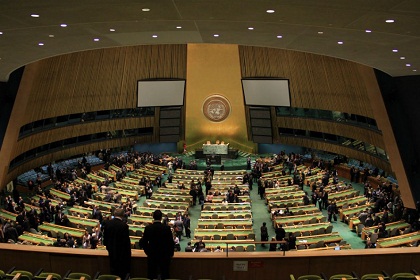
The UN turned 75 this year but instead of grand celebrations, the world witnessed an empty UNGA with world leaders addressing it via video screening because of the pandemic. The UN is under unprecedented stress and being shown up for its inability to tackle the challenges of today like the pandemics, climate change, terrorism or global peace and security. The institution's key governing structures, especially the UN Security Council, are inadequate and demand reform. India must now use gritty resolve to ensure its place in these governing structures.
Courtesy: Gateway House
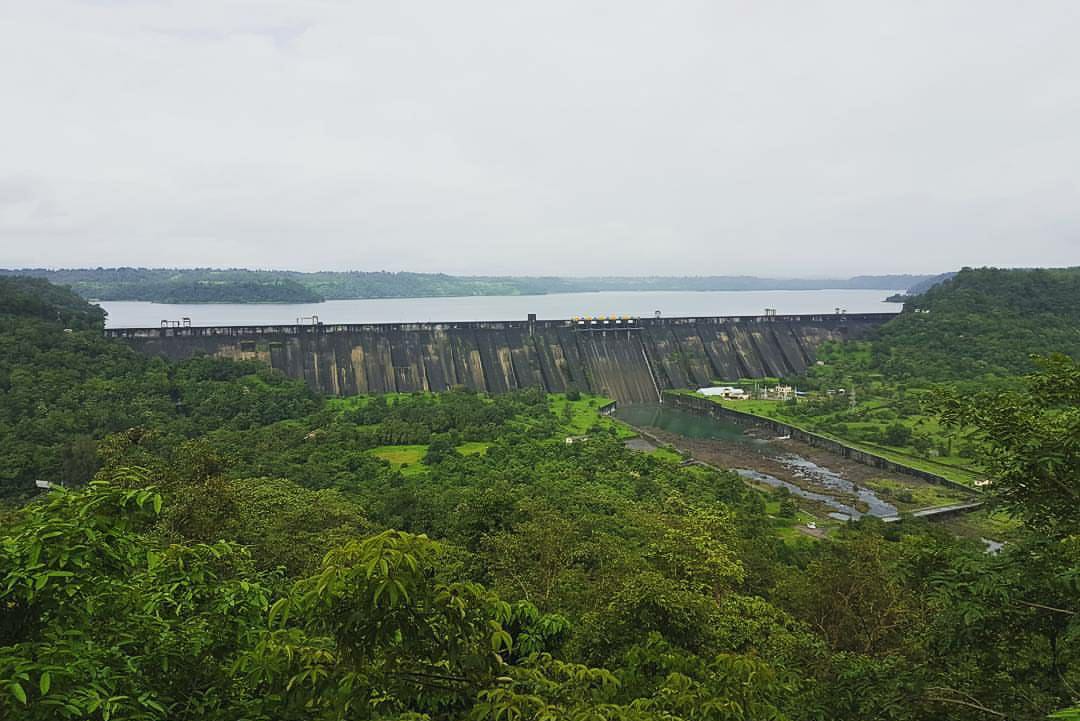
The re-election of the Bharatiya Janata Party to Parliament means that India’s infrastructure buildout will continue apace. This will be a heavy load on the environment. It will also have to abide by Prime Minister Modi’s commitment to the successful implementation of the Sustainable Development Goals (SDGs) by 2030. This offers an opportunity for the government to think innovatively about measures for sustainable development, particularly in pricing nature
Courtesy: MEA Flickr
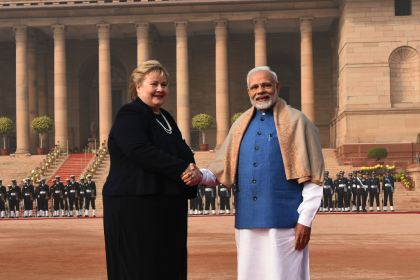
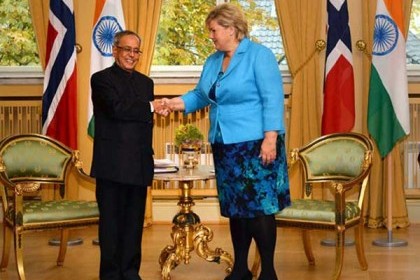
Norwegian prime minister Erna Solberg’s visit to India earlier this week had a central focus: strengthening economic and technological cooperation in the Blue Economy. This is an area in which her country has considerable expertise and with which Indian business needs to collaborate in managing industries, such as oil, shipping, fisheries and aquaculture in a ‘green’ way
Courtesy: IB Times
The era of globalisation is drawing to a close and a new one is emerging—an era of bilateralism over globalisation, of domestic over foreign focus, and reality-based policy-making
Courtesy: Business Insider
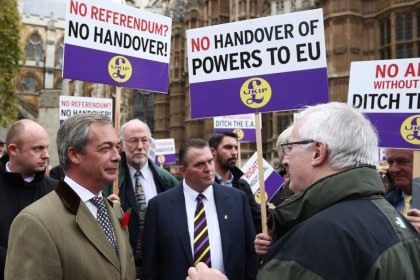
The message from Brexit is simple: the post-second world war financial, trade and industrial order and security arrangements that developed around Bretton Woods, have passed their expiry date. This is the time for countries, regional unions and global institutions to reform themselves – putting people instead of regulations and strategic objectives at the centre of their decision-making.
Courtesy: sarkarairtel
A recent visit to the capital of Norway---Oslo---offered the opportunity to study the country’s economic success story and note its increasing interest in Asia’s emerging economies, especially India, and immense scope for deepening cooperation for mutual benefit.
Courtesy: Wikipedia
While the closing of borders to refugees in Europe and West Asia could be interpreted as proof that national borders are more important now than ever, the sheer numbers of refugees make strengthening borders a severely inadequate solution.