A new, consensual world order
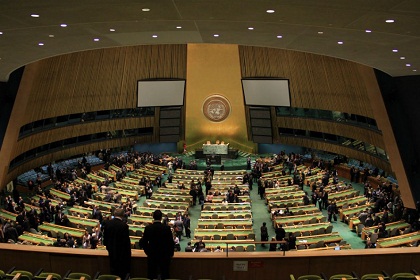
The era of globalisation is drawing to a close and a new one is emerging—an era of bilateralism over globalisation, of domestic over foreign focus, and reality-based policy-making

 Courtesy: IB Times
The era of globalisation is drawing to a close and a new one is emerging—an era of bilateralism over globalisation, of domestic over foreign focus, and reality-based policy-making
 Courtesy: Gateway House
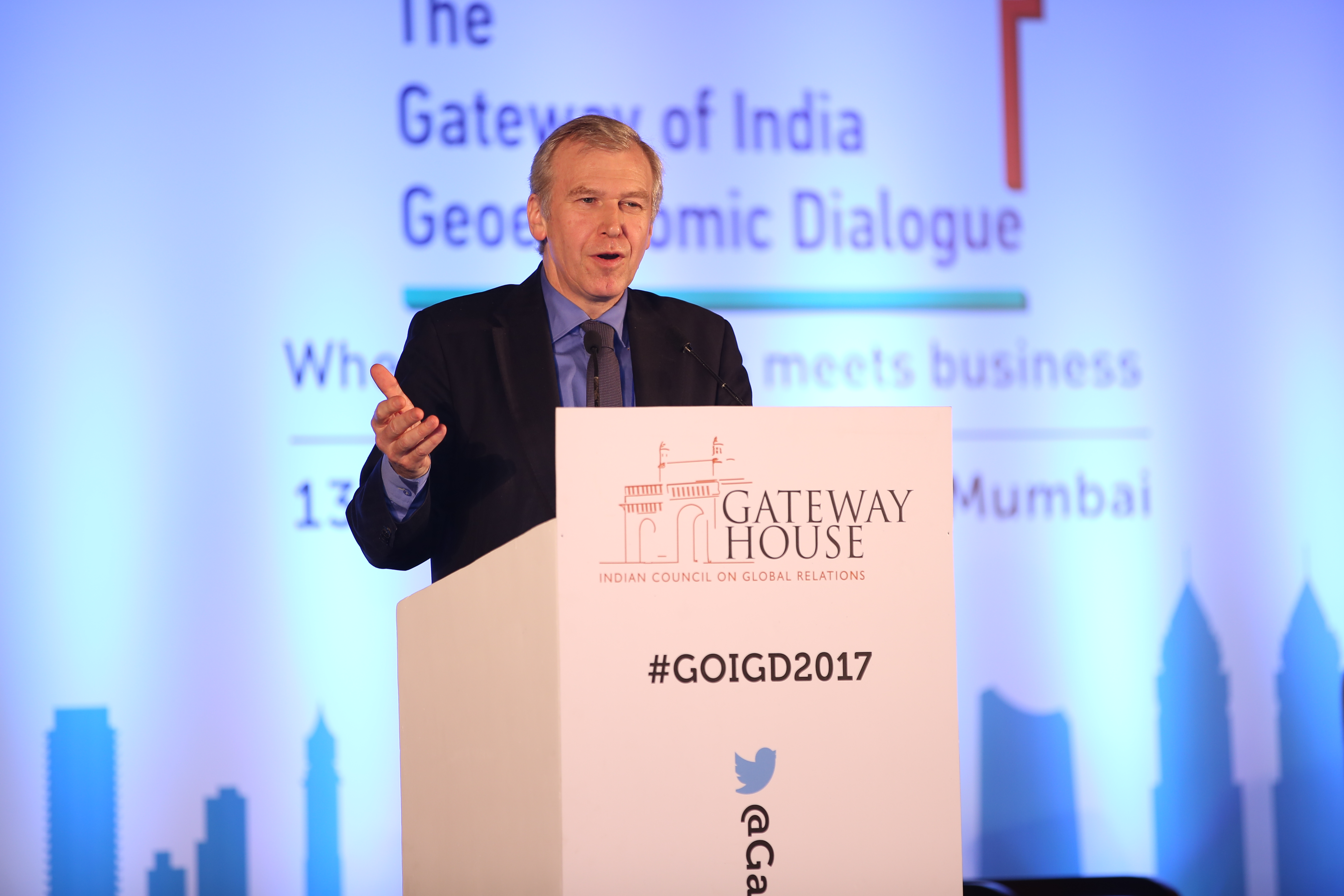
His Excellency Yves Leterme, Former Prime Minister of Belgium, Secretary General, International IDEA delivered the Inaugural Keynote I on Europe at the Crossroads at 2017 T20 Mumbai meeting hosted by Gateway House on 13 February. Leterme's speech effectively explains the changing politics of global capital with the rise of new economies with respect to Europe and it's position in the world today.
 Courtesy: Systemic Alternatives
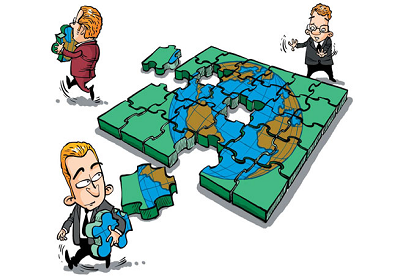
The contours of globalisation are being reshaped. The Brexit vote and the election of Donald Trump mark a strong anti-globalisation sentiment even as leaders in China, India and Russia successfully marry nationalist rhetoric with a cleverly crafted overseas strategy, premised on the very tenets of globalisation. There seems to be a ‘pause’ in the unbalanced progress of globalisation of the last three decades—and this could have many positive outcomes
 Courtesy: Wikipedia
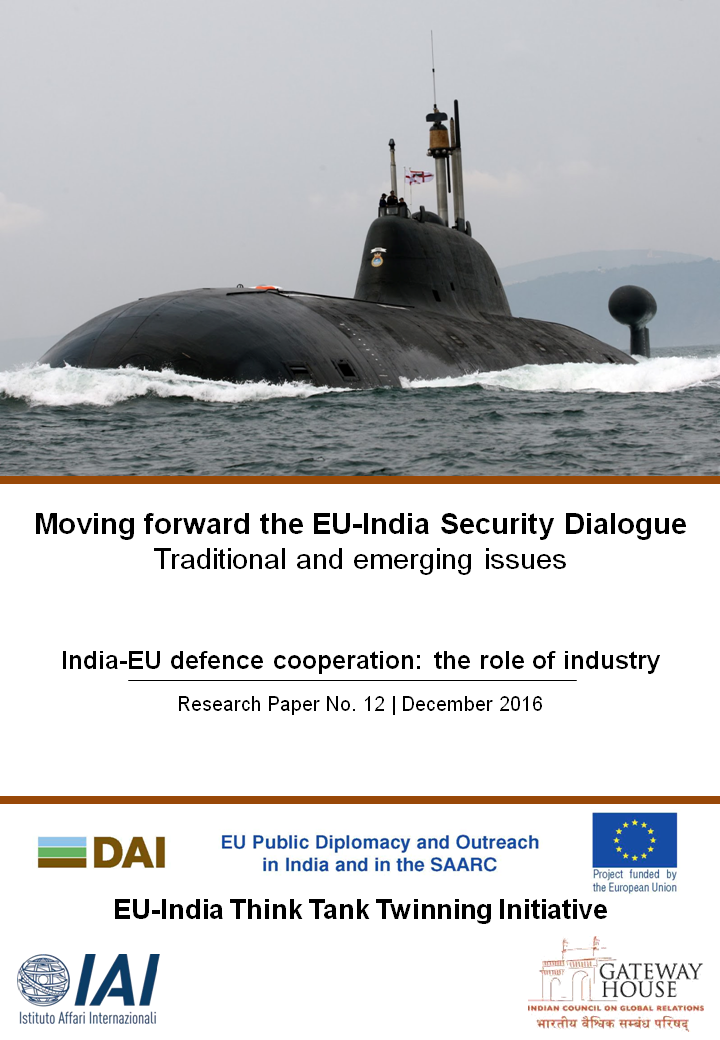
European defence companies can contribute significantly to India’s military modernisation under the ‘Make in India’ campaign. But before this can happen they will have to deepen their interactions in the country at the political and strategic levels to identify common areas of interest and understand India’s technological priorities in the sector
 Courtesy: Wikimedia Commons
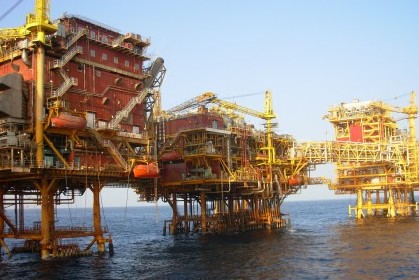
India’s gas consumption is lower than the EU’s, but it too, like the EU, relies heavily on imports. With LNG likely to remain a key part of India’s gas supplies in the future, and given recent changes in the global market, what is the future potential of LNG imports for the EU and India? What are the best energy policies for the two regions?
 Courtesy: Chemould Prescott Road Archives
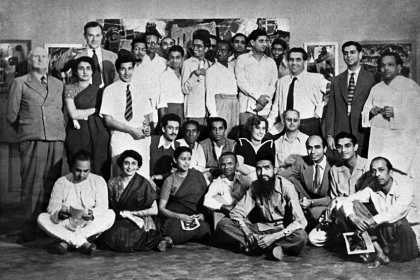
Germany’s presidency of G20 in 2017 comes at a time when the country is in a state of deep flux. But its relations with India have always been unshaken. Even 80 years ago, German-speaking immigrants, fleeing the Second World war, greatly enhanced Bombay’s cultural life
 Courtesy: Gateway House
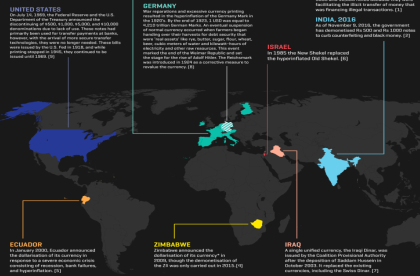
Prime Minister Narendra Modi's announcement on November 8 to demonetise notes of the denomination of Rs 500 and Rs 1000 has a precedent. This infographic traces some interesting demonetisation initiatives around the world. From discontinuation of high denomination notes due to lack of circulation, to the use of beer and water as 'real assets' in place of hyper-inflated currency.
 Courtesy: MEA / Flickr
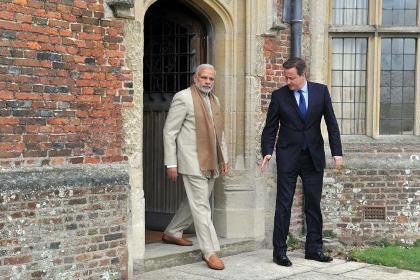
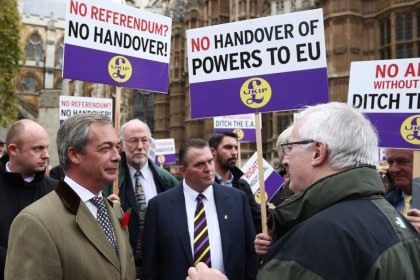
The result of the Brexit referendum is nothing less than a body blow to Bretton Woods organisations, International Monetary Fund-North Atlantic Treaty Organisation (NATO)-World Bank, that originated at the end of the Second World War. The possibility of an Asian century becomes more feasible, if India can be nimble enough to make the most of the opportunity which has presented itself in Europe.
 Courtesy: Business Insider
The message from Brexit is simple: the post-second world war financial, trade and industrial order and security arrangements that developed around Bretton Woods, have passed their expiry date. This is the time for countries, regional unions and global institutions to reform themselves – putting people instead of regulations and strategic objectives at the centre of their decision-making.
 Courtesy: Narendramodi.in
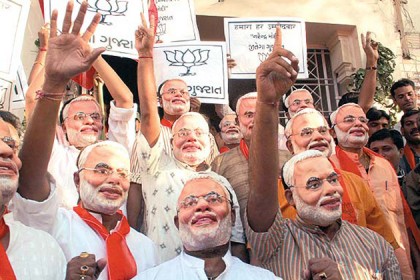
Narendra Modi’s landslide victory in India's 2014 general elections, despite his hardline nationalist image, was viewed as a localised phenomenon. But two years later, voters across the world from Europe to Philippines seem to be tilting towards leaders with the same nationalist tag.