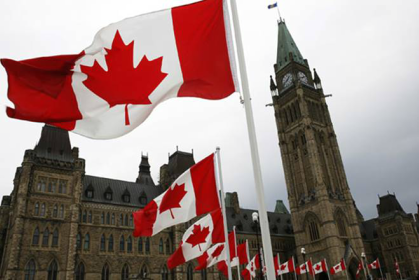
A futuristic agenda for India & Canada
India can draw Canada in a new direction – away from its trans-Atlantic fixation, into the Indo-Pacific and a tech and resources partnership that will benefit both democracies

 Courtesy: Financial Express
India can draw Canada in a new direction – away from its trans-Atlantic fixation, into the Indo-Pacific and a tech and resources partnership that will benefit both democracies
 Courtesy: Indian Ocean Conference
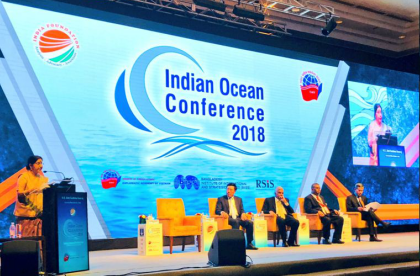
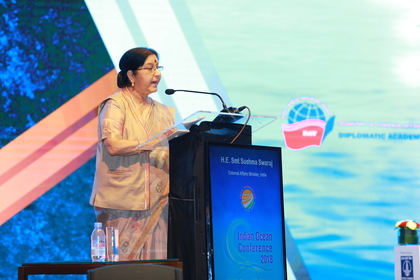
If India wants to become a serious Indo-Pacific player, it has to prioritise implementation of the SAGAR initiative, look beyond the Quad to partner with smaller littoral states and provide alternatives to China’s investment strategies. This was the message from the recent Indian Ocean Conference in Hanoi, Vietnam
 Courtesy: MEA Flickr
The Indian Ocean has served as a keystone of global politics, economics and culture for centuries. In modern times, after World War II, it emerged as a focal point for great power competition and subsequently, of global commerce as the pivot of economic growth shifted from Europe to the Asia Pacific, a feature which has since remained constant.
 Courtesy: Dantri.com
Every country has strategic goals to pursue and technology ecosystems play a vital role in achieving them
 Courtesy: Global Environment Facility
Since Independence, India has been consumed by its domestic priorities. Now, with increasing integration with the world and a huge stake in global stability, it is time to focus on the global commons. India has a seat on the hightable to design and shape the rules for the governance of the global commons. In this special Independence Day Briefing, Gateway House examines India’s engagement with four global commons – technology, outer space, cyber and the oceans – and makes recommendations on how best they can be governed for our collective future.
 Courtesy: Gateway House
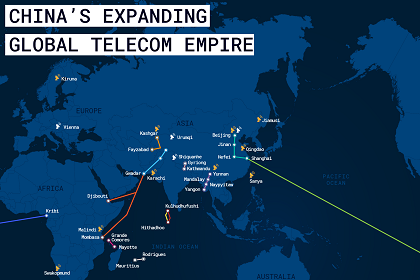
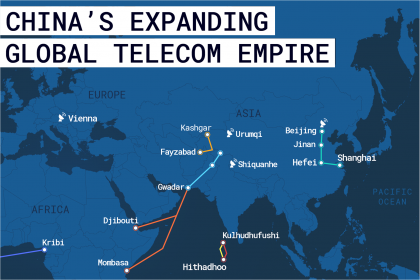
This version of the Gateway House Map on China’s Expanding Global Telecom Empire identifies some more telecommunication assets -- optic-fibre and satellite ground stations -- that Beijing is working on in South and Central America, Africa, Myanmar, the Indian Ocean Region and mainland China besides the existing ones, such as the Pakistan East Africa Cable Express (PEACE). It shows the direction China’s investment is taking, its diplomatic overtures and the larger geopolitical implications of its growing telecom empire
 Courtesy: MEA Flickr
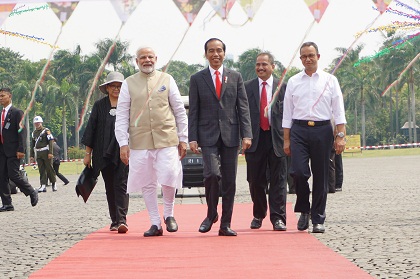
Prime Minister Modi’s visits to South East Asia last week were major steps in furthering the goals of India’s Act East Policy even as major power rivalries unfolded in the region. Most significant was the visit to Indonesia, a low key Asian power but one that India can partner to enhance its regional stature.
 Courtesy:
Gateway House research publication, Chinese Investments in South Asia, was recently mentioned in the event coverage of ‘The Role of Indian Navy in the Changing Security Environment’ by Admiral Sunil Lanba, PVSM, AVSM, ADC, Chief of Naval Staff’ at the Read more
 Courtesy: Gateway House
China is steadily deploying state-of-the-art communications systems to connect its strategic and economic assets in Asia. It is then linkingthe Asian mainland to Africa, and Africa to South America. The investment spree is rapidly making Beijing a major player in global telecommunications – and ‘informationisation warfare’.
 Courtesy: Gateway House
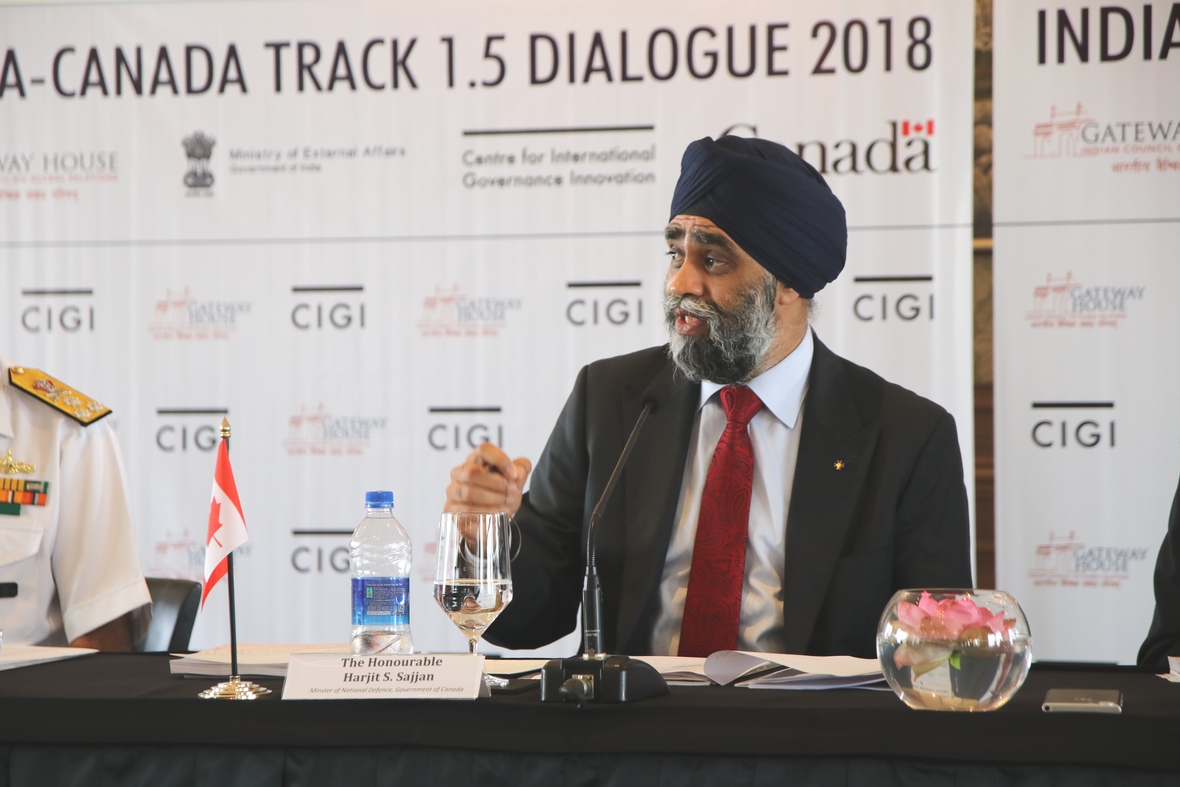
Canadian Minister for National Defence, Hon'ble Harjit S Sajjan, discusses contemporary security issues, international peacekeeping, bilateral defence ties, and geopolitical arenas, relevant to India, Canada, and the world. More specifically, he converses about prospects of peace in Afghanistan, the geopolitics of and Canadian sovereignty over the Arctic, UN peacekeeping programs initiated by Canada, focus areas for India and Canada defence relations, and the Quad initiative.