A new, consensual world order
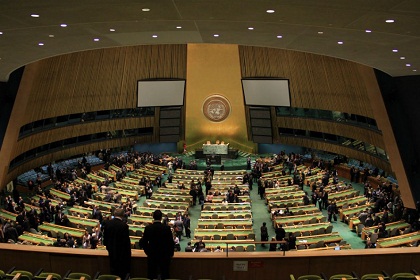
The era of globalisation is drawing to a close and a new one is emerging—an era of bilateralism over globalisation, of domestic over foreign focus, and reality-based policy-making

 Courtesy: IB Times
The era of globalisation is drawing to a close and a new one is emerging—an era of bilateralism over globalisation, of domestic over foreign focus, and reality-based policy-making
 Courtesy: Gateway House
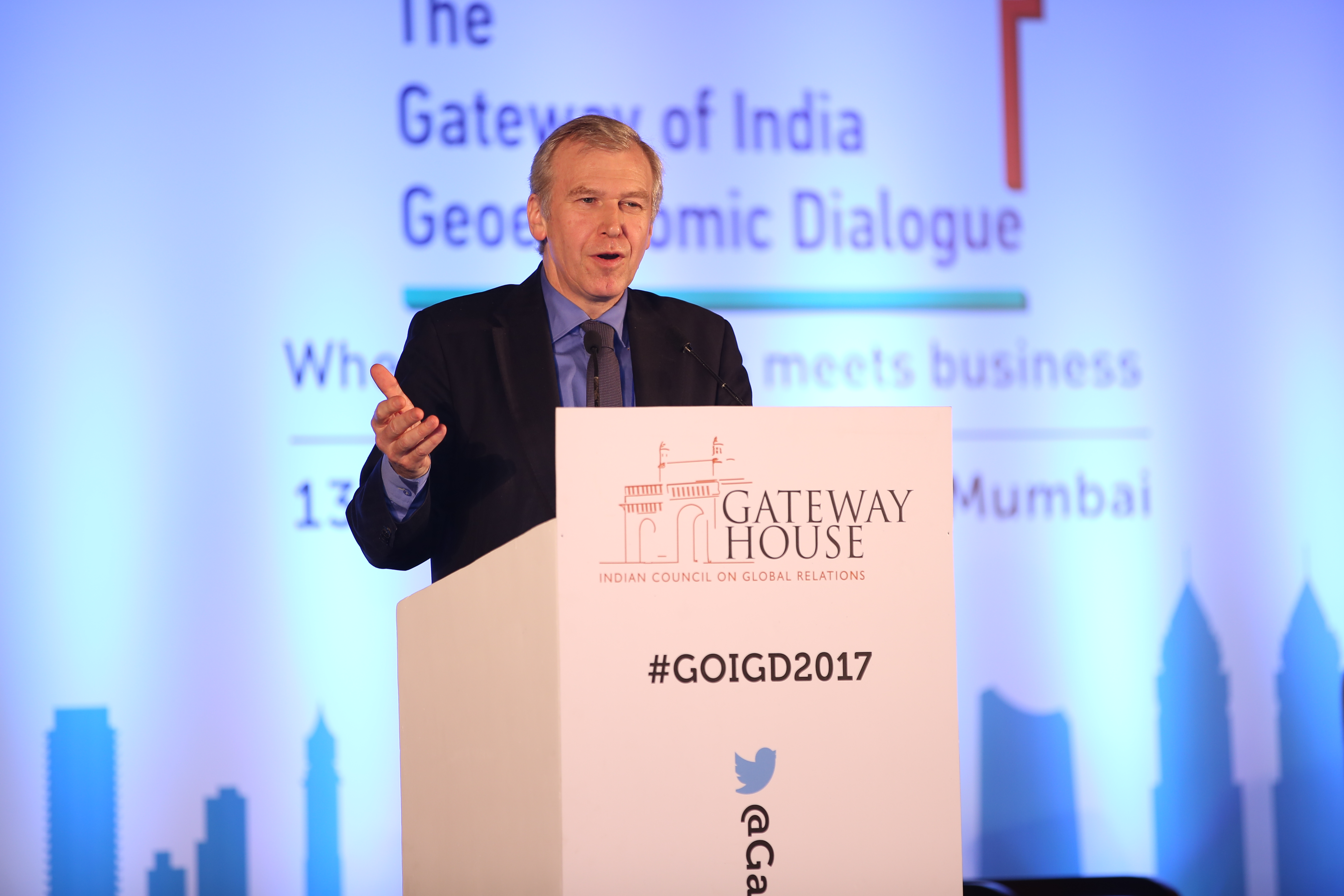
His Excellency Yves Leterme, Former Prime Minister of Belgium, Secretary General, International IDEA delivered the Inaugural Keynote I on Europe at the Crossroads at 2017 T20 Mumbai meeting hosted by Gateway House on 13 February. Leterme's speech effectively explains the changing politics of global capital with the rise of new economies with respect to Europe and it's position in the world today.
 Courtesy: Systemic Alternatives
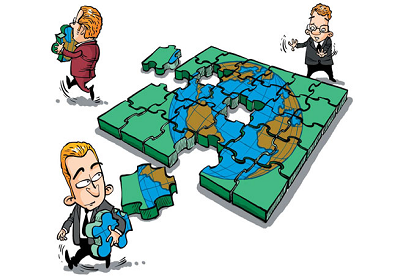
The contours of globalisation are being reshaped. The Brexit vote and the election of Donald Trump mark a strong anti-globalisation sentiment even as leaders in China, India and Russia successfully marry nationalist rhetoric with a cleverly crafted overseas strategy, premised on the very tenets of globalisation. There seems to be a ‘pause’ in the unbalanced progress of globalisation of the last three decades—and this could have many positive outcomes
 Courtesy: Getty
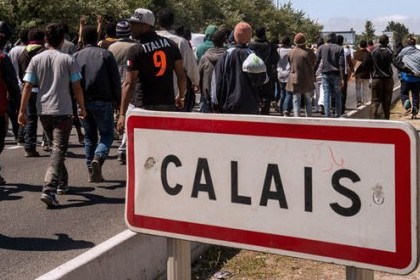
The French city, bordering the English Channel, is a symbol of the tension between Paris and London and the crisis in Europe as a whole. The dismantling of one refugee outfit here just made an already thorny issue pricklier.
 Courtesy: Yahoo
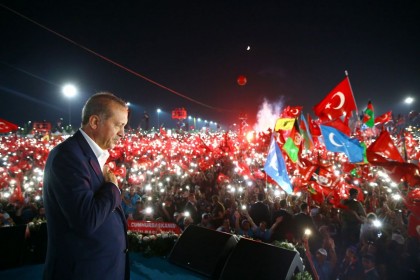
The July coup in Turkey did not achieve its objective of eliminating President Erdogan, who has, ironically, emerged a ‘national hero.’ Does this signal a new beginning? An analysis of the factors impending upon the colossal repair-and-rebuild task before the country.
 Courtesy: ukrep.be
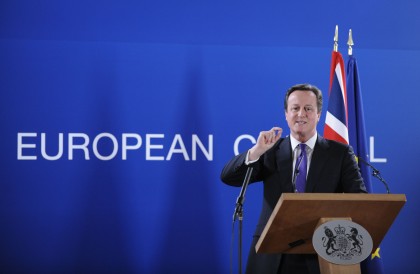
As the referendum on the UK’s membership of the EU draws near, predicting the outcome remains difficult. While the potential impact of Brexit on the UK has been discussed at length, a vote to stay in the EU could have implications for the UK’s domestic political situation as well as its future relationship with the EU.
 Courtesy: Wikipedia
The sanctions against Iran impacted the country’s oil, banking, aviation, and other sectors, and had a major humanitarian impact. But neither is armed attack a more suitable method in most instances to address allegedly recalcitrant states. What then is the middle ground? And can the UNSC assume a more proactive role in this context?
 Courtesy:
Contrary to some current commentary, NATO has remained relevant after the post-Cold War period, largely due to the perceptions it still engenders. While its symbolic power still endures, a rapidly changing international order could make it obsolete in the near future, as new narratives take its place.
 Courtesy: Flickr
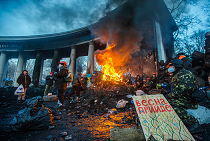
Eastern Europe has seen tensions rise, increasing violence and a hardening of stands. Only the softening of the stark “either/or” choice currently being demanded by western powers as well as Russia will put an end to the precarious tightrope walking of east European governments and prevent their citizens from becoming victims of increased regional instability
 Courtesy: laprensa
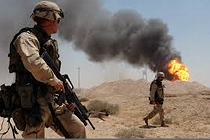
Over two years after American troops left Iraqi soil, the rise of the brutal ISIS is forcing a war weary U.S.to contemplate a return to the country. Amid plummeting approval ratings and divided opinions at home, President Barack Obama will have to carefully weigh the implications of a disintegrated Iraq on the U.S. and indeed, the world.