Remise_du_Prix_Sakharov_à_Aung_San_Suu_Kyi_Strasbourg_22_octobre_2013-04 Courtesy: Claude TRUONG-NGOC
13 November 2015

Myanmar after elections: what next?

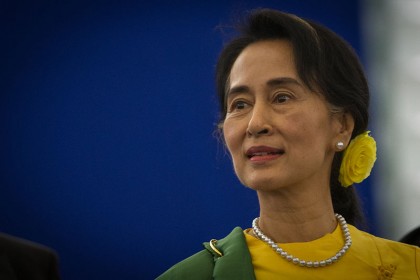
The elections in Myanmar finally come to a close with Suu Kyi-led NLD’s landslide victory. The military establishment has accepted defeat. Suu Kyi, who can't be the president, has made it clear that she would be 'above the president'. How should India read Myanmar now and act to safeguard its interests?
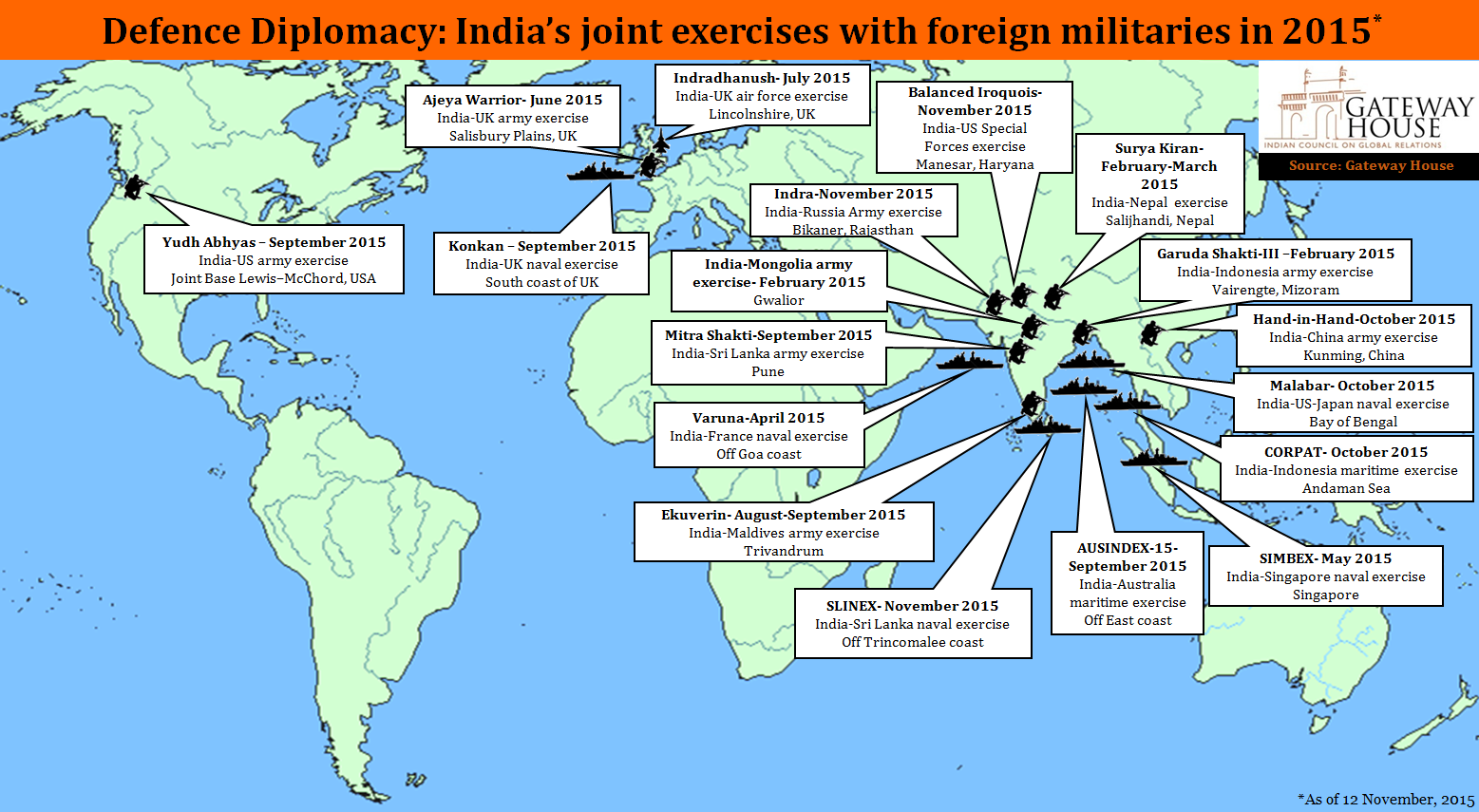
This year, India's defence diplomacy has ramped up. In 2015 alone there have been 18 military exercises- naval, army and air force- with 13 countries, among the largest engagements the country has had. Most significant is Japan joining the Malabar exercises in the Bay of Bengal and the first-ever maritime exercise with Australia. This is increasing India's presence from the Arabian Sea to the Bay of Bengal. As these exercises intensify India will be better positioned to handle regional security challenges. Courtesy:
12 November 2015

India’s defence diplomacy

This year, India's defence diplomacy has ramped up. In 2015 alone there have been 18 military exercises- naval, army and air force- with 13 countries, among the largest engagements the country has had. Most significant is Japan joining the Malabar exercises in the Bay of Bengal and the first-ever maritime exercise with Australia. This is increasing India's presence from the Arabian Sea to the Bay of Bengal. As these exercises intensify India will be better positioned to handle regional security challenges.

narendra modi Courtesy: Narendra Modi official
12 November 2015

An agenda for India’s G20 success

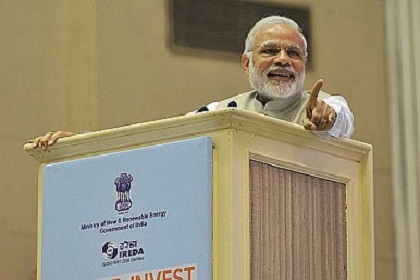
Prime Minister Narendra Modi’s initiatives like the Make in India campaign, Digital India, Skill India, Smart Cities, et al, are all designed to attract much needed foreign capital into the country. However, a lot of global investors are still sitting on the fence. PM Modi, thus, must use the G20 Summit to assure investors and countries that India is open for business.

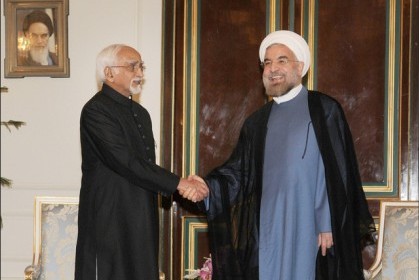
Ansari Rouhani 2013 MEA Flickr Courtesy: MEA Flickr
12 November 2015

Berthing a new era at Chabahar

The strategic and geopolitical importance of Iran’s Chabahar Port is not lost on India. It is for this reason that India is keen to partner with Iran on investing in developing berths at the Port. Although the relationship between the two have had its ups and downs, it is time that with a nuclear deal in place between Iran and the P5+1, India realises that it has much more at stake in its relationship with Tehran.

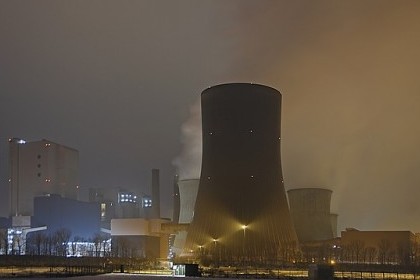
nuclear-reactors-499907_640 Courtesy: Pixabay
5 November 2015

Quiet burial for the nuclear deal?

Solar power developers have offered to sell electricity in India at less than Rs 5/unit. This makes solar competitive with traditional forms of energy, and makes new nuclear power plants financially unviable. India must register the changed reality, and discard the idea of expensive Western reactors. Time to scrap the India-U.S. nuclear deal?

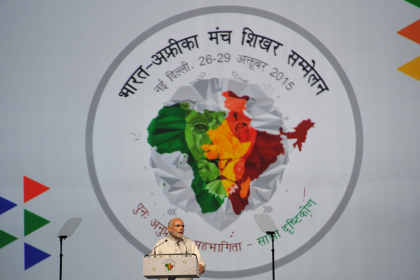
reset africa strategy Courtesy: MEA / Flickr
5 November 2015

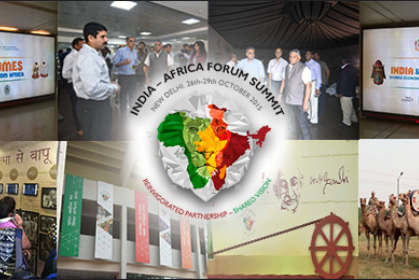
India resets Africa strategy

Changes in how India plans to approach its relationship with Africa were evident at the recent India-Africa Forum Summit, including the wider representation of African countries, and Modi’s push to forge a united front with Africa at multilateral institutions on trade and other issues. But beyond these, gaps in the India-Africa alliance remain to be addressed.

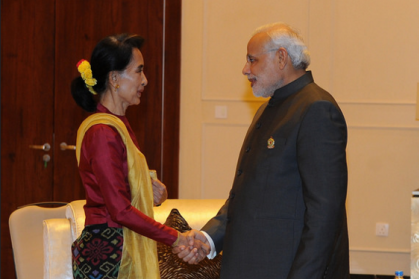
India Myanmar Courtesy: MEA / Flickr
3 November 2015

Myanmar votes: why it matters

Myanmar is making a transition towards democracy with an election on 8 November, 2015. The elections are expected to be free, if not completely fair. Countries, including China and India are watching the elections keenly with a hope that they will provide for a stable and strong government.

Modi Obama Wiki Courtesy: Wikipedia
21 October 2015

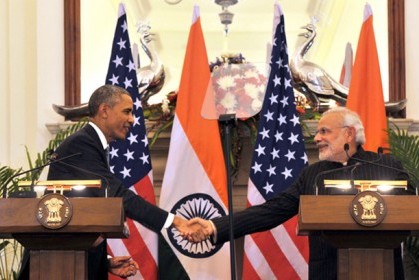
Building on India-U.S. meeting points

Modi’s second visit to the U.S. in September indicates a growing partnership in such areas as business, technology, and climate change. Though gaps too remain—for example, India is not part of the TPP and its bid for a UNSC seat is on hold—for now, it is time to consolidate bilateral meeting points, and India can start by simplifying its trade policy and tariff structure