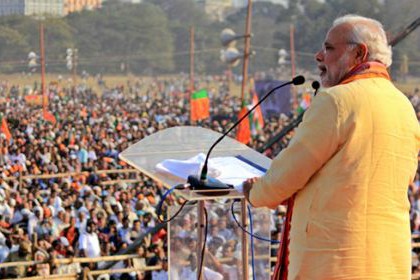
Indian Foreign Policy in 21st Century
The following remarks were given by Ambassador Rajiv Bhatia, Distinguished Fellow, Foreign Policy Studies, Gateway House as Distinguished Guest Lecturer at IIM Tiruchirappalli on February 3, 2019

 Courtesy: MEA/Flickr
The following remarks were given by Ambassador Rajiv Bhatia, Distinguished Fellow, Foreign Policy Studies, Gateway House as Distinguished Guest Lecturer at IIM Tiruchirappalli on February 3, 2019
 Courtesy: MEA Flickr
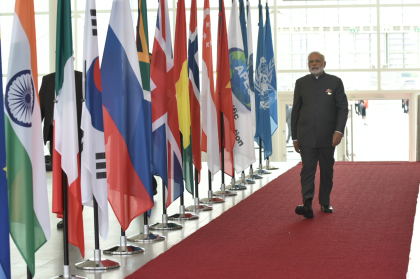
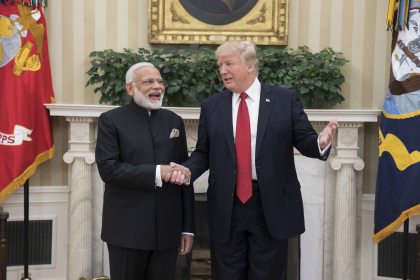
The imperative for India to move away from its non-aligned posture is now, especially if it wants to be consequential in the global reordering underway. This will play out in the contention between the U.S. on one side, and China and Russia on the other.
 Courtesy: MEA Flickr
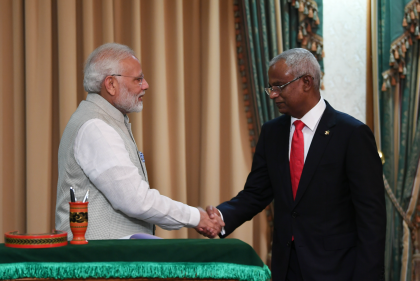
Maldives president Mohamed Solih comes to India this week, fresh from his election win and with a host of good intentions. His aim is to recast the bilateral and restore balance in Maldives’ external relations after the previous president’s China-centric leanings. Such a reversal may not emerge instantly
 Courtesy: Nikkei Asia
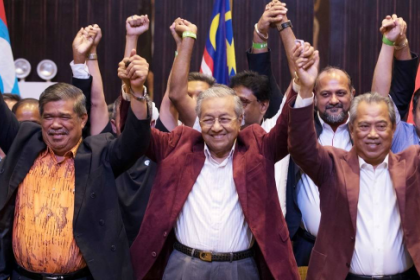
Six months after Malaysia’s parliamentary elections, its domestic affairs are still untidy. The government is combating corruption, but not bringing in constitutional reform. A successor’s name is not emerging clearly either. But Prime Minister Mahathir Mohammad’s foreign relations priorities – principally, Japan and China – are in order
Academic and columnist M.D. Nalapat, in this interview with Manjeet Kripalani, speaks of how a tardy bureaucracy has brought about “a too-cautious” policy towards the U.S. and China as opposed to the former Gujarat chief minister’s greater openness in consulting people before handing over policy implementation to the bureaucracy. He also discusses the prime minister’s shrewd approach to South Asia, the dependable warmth of the Japanese and a range of other topics
 Courtesy: Foreign Affairs
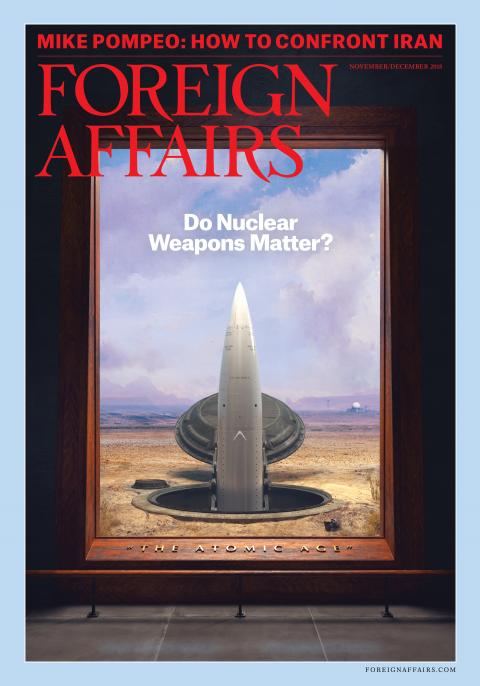
Experts estimate the likelihood of a U.S.-Chinese nuclear crisis as “somewhere between nil and zero.” This assurance is misguided. The United States' signature approach to conventional warfare would be a potential recipe for nuclear escalation.
 Courtesy: Washington Post
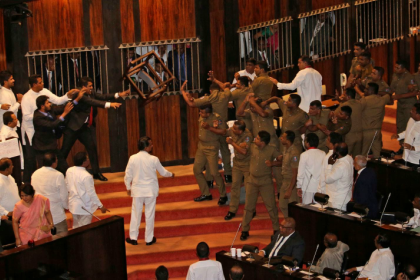
China’s large investments in Sri Lanka, Pakistan and the Maldives and the economic dependence this creates make it impervious to the internal political upheavals in these countries. This blog explores how it will retain its influence in Sri Lanka regardless of how the turmoil is resolved
 Courtesy: Fair Planet
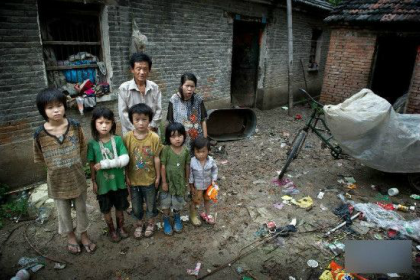
China recently celebrated 40 years since it began its successful poverty reduction effort, at a conference in Beijing. While lauding China's efforts, experts do recognise that different formulations work for different countries
 Courtesy: Wikimedia Commons
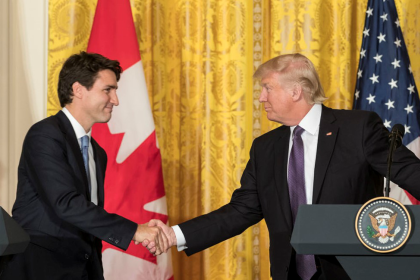
The United States, Europe and the Asia Pacific today form Canada’s tripartite foreign policy priorities. The ASEAN is its sixth largest partner, which was not so 20 years ago, but economic engagement with India – still small, compared to China and Japan – has scope to grow
 Courtesy: Ministry of Foreign Affairs, China
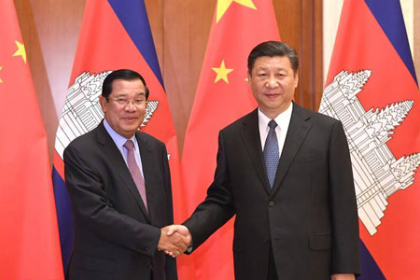
In Cambodia, democracy exists only in form. Liberal values, inculcated by the West, take second place to poverty alleviation and employment. Such priorities have affected its diplomatic allegiances while bilateral relations with India have not expanded