Deconstructing anti-Trump sentiment
The President’s policy bite has been far weaker than his policy bark. He has not turned out to be the fascist dictator people feared he would be. Why then does he induce such visceral hatred?

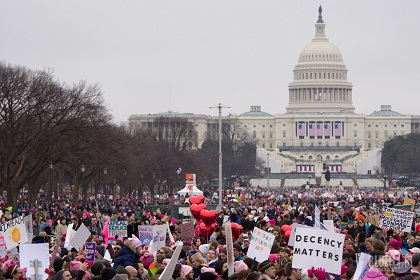 Courtesy: Wikimedia Commons
The President’s policy bite has been far weaker than his policy bark. He has not turned out to be the fascist dictator people feared he would be. Why then does he induce such visceral hatred?
 Courtesy: Wikipedia Commons
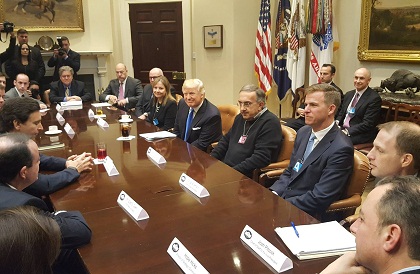
President Trump has moved to deliver on his campaign promises with rare alacrity: his executive actions cover everything from policies on trade and energy to bringing back manufacturing to America. But he has also been walked back on some of his explosive assertions while ambiguity looms large over several issues
 Courtesy: Gateway House
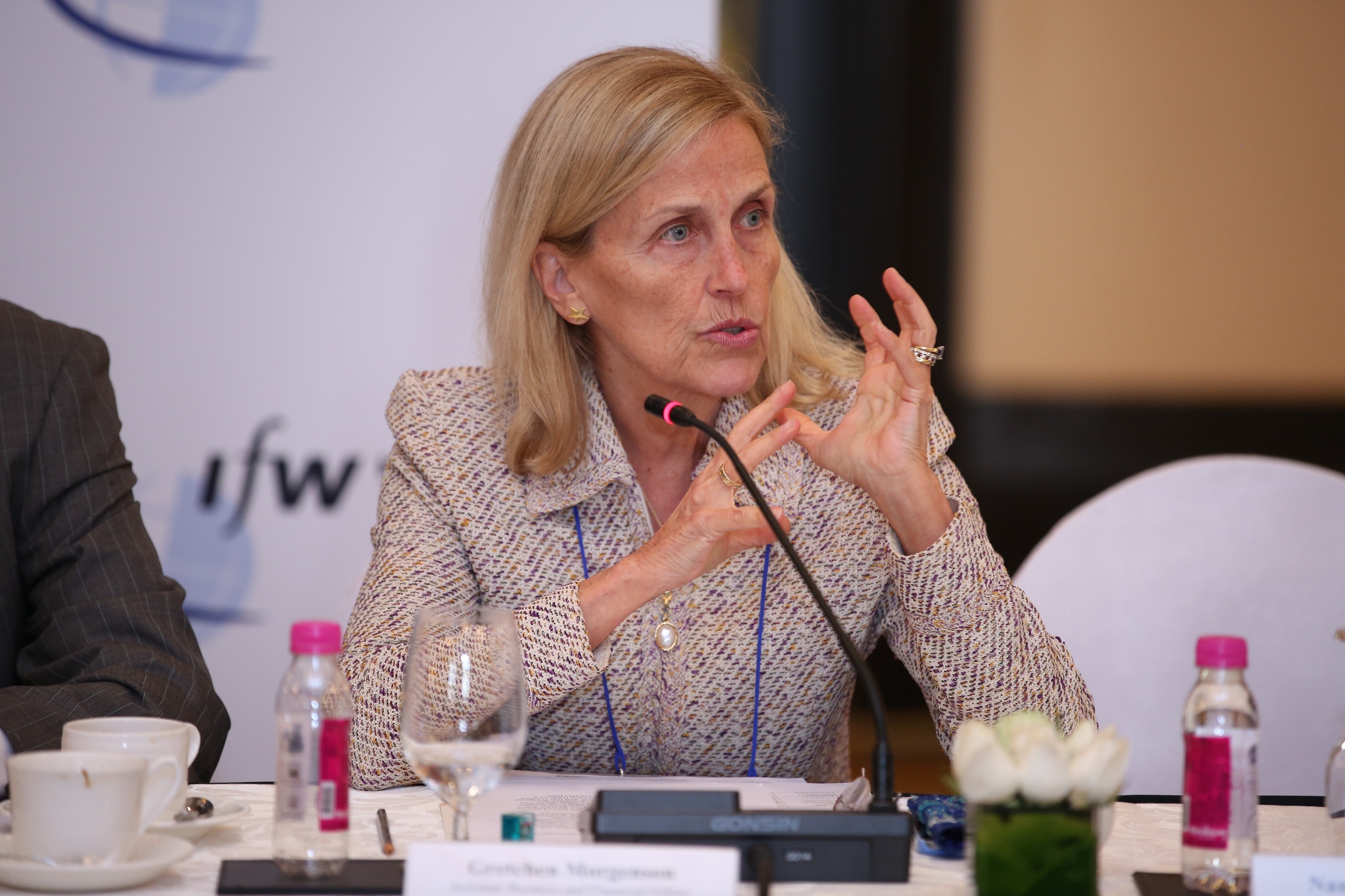
In Gretchen Morgenson's interview she discusses the implications on the American stock market of the repeal of the Dodd-Frank financial regulations and the possibility of a reduction in corporate taxes. She argues that although Trump has proposed several changes to financial regulations and the American tax regime, he may be unable to implement these measures. She then illustrates the impact of the lack of accountability of the government on the psyche of the American consumer, which would, by default, affect the economy. She emphasizes on the impact, that Trump being a real estate business man, will have on his negotiating methods, and in turn will have on investors.
 Courtesy: The New York Times
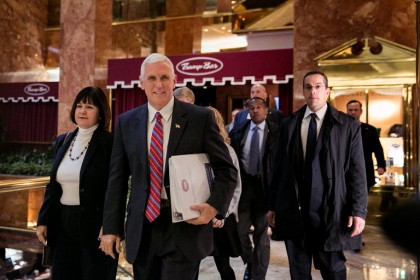
Transiting from one administration to the next is never easy, but Trump’s dilemma is particularly difficult: he has to bring in change and also find candidates who have the respect of their peers. Are the differences of opinion on his choices a sign of things to come?
 Courtesy: Flickr/William Munoz
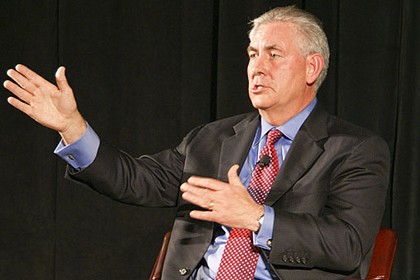
Rex Tillerson, Chairman and CEO of ExxonMobil and Donald Trump’s pick as U.S. Secretary of State, has had a long and fruitful working relationship with Russia. His experience could lubricate US-Russia relations, a development that can only benefit energy buyers like India
 Courtesy: Gage Skidmore / Flickr
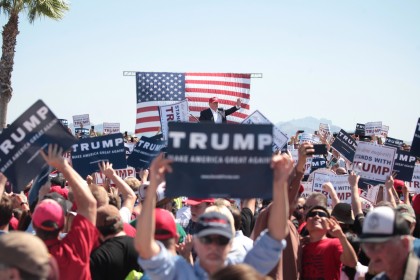
The world is now faced with a self-professed unpredictable U.S. president in Donald Trump. This unprecedented outcome is already being felt by the world’s economies, but while many foreign parties may be celebrating this outcome - there is such a thing as too much change
 Courtesy:
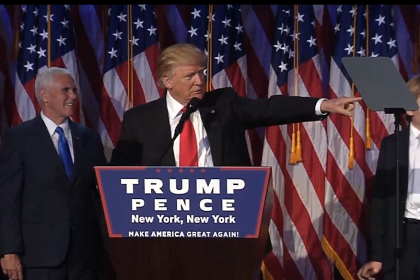
The victory of Donald Trump for the White House is a turning point in America – it’s a vote against the establishment and vested interests that have dominated Washington for decades. It also shows America following the global trends of strong leaders with a new electorate in the post World War II Order
 Courtesy: Gateway House
A lesser publicised aspect of the American Presidential Race is the adoption of the Party Platform during the Convention. During the Republican National Convention and the Democratic National Convention, the two parties put down and adopted their platforms. Ambassador Neelam Deo analyses the foreign policy aspects of the platforms and their implications.
 Courtesy: Manjeet Kripalani
The crippling effect of American sanctions are thorough; designed to strangle economies and bring entire nations to a halt. However, they unknowingly pull people together, imparting a deep sense of patriotism and often sparking innovation which can quickly surpass any other world power. With sanctions being lifted on nations like Myanmar, Iran and, hopefully, Cuba, the question remains whether they will retain their uniqueness or fall into line with the rest?
 Courtesy: Wikipedia
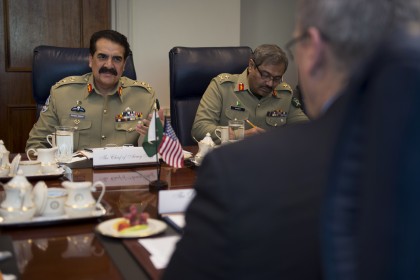
Barely three weeks after Pakistan’s Prime Minister Nawaz Sharif’s official visit, the other Sharif -- General Raheel Sharif -- sets foot on U.S. soil, albeit without an official invitation. Will Gen. Sharif get what he wants from the U.S. to further his game plan?