Amb Gurjit Singh Courtesy: ANI
17 August 2022

75 years of development cooperation

Since 1947, India has had a proud record of development cooperation. It began even though it was newly independent and itself developing, but created a camaraderie with movements in other emerging countries. Now after 75 years, its time to move toward an FDI-led model, which will particularly help reduce the rising indebtedness in the developing world.
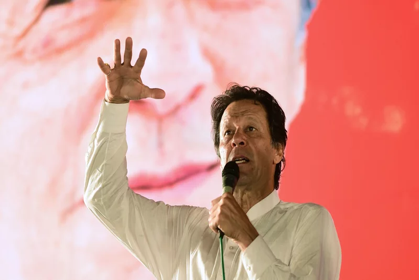
Imran Khan 2021 Courtesy: AFP/Getty Images
15 August 2022

The convulsions in Pakistan

The genesis of Pakistan’s current political and economic problems lies with the pre-1947 Pakistan movement. But, its immediate problems stem from the political engineering done by the Pakistani army to install a hybrid regime led by Imran Khan who, they realised much later, was unable to deliver either on the economy or on governance.

SL Courtesy: AP
14 July 2022

Awaiting Sri Lanka’s Narasimha Rao

Sri Lanka is experiencing an economic, political and strategic crisis it has never had before. The situation is fragile – but a creative solution and determined national interest can help return the island nation to stability and growth. Amb. Rajiv Bhatia, in conversation with economist Dr Ganeshan Wignaraja on how Sri Lanka came to the current condition, and the remedies to adopt.

Crunch-Time Courtesy: Rupa Publications
30 May 2022

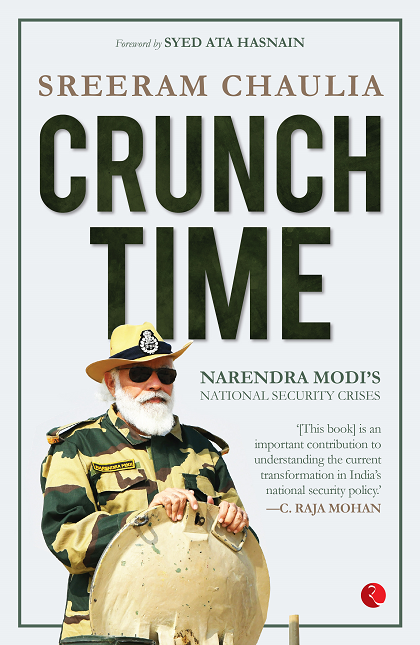
Crunch Time: Narendra Modi’s National Security Crises

Narendra Modi has completed eight years as the Prime Minister of India. His tenure has seen a strengthened and transformed Indian foreign policy. In his book, Crunch Time: Narendra Modi’s National Security Crises, author Sreeram Chaulia studies India’s national security crises under Modi, and his handling of it. His main argument that Modi was more decisive than his predecessors in dealing with China and Pakistan, holds.

renergy crisis photo Courtesy: Economic Times
26 May 2022

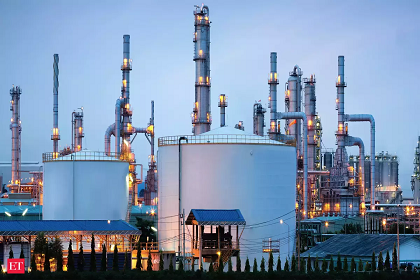
India in the global commodity shock

The warning signs were visible long before the Ukraine conflict. Years of insufficient investment into oil and gas production resulted in high price, and shortages. With investors keeping away from traditional fuels, the conflict in Ukraine precipitated the inevitable. Energy-dependent India must now insulate its supply chains.

bimstec 2 Courtesy: Twitter- BIMSTEC
19 May 2022

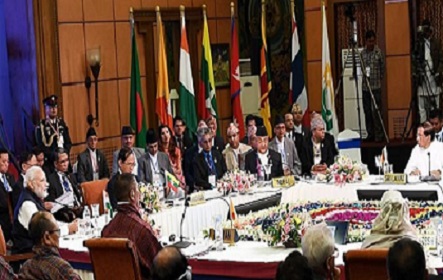
Incorporating the Blue Economy into BIMSTEC

The BIMSTEC charter has laid the foundations for a prosperous, peaceful, and sustainable Bay of Bengal region, a goal that can be achieved by greater integration and deeper collaboration. While ensuring continuity with past efforts and strengthening economic cooperation is necessary, it must also realise its potential in newer areas such as the blue economy, which has three interlinked pillars— connectivity, prosperity, and regional stability.

xi putin bbc Courtesy: BBC
17 February 2022

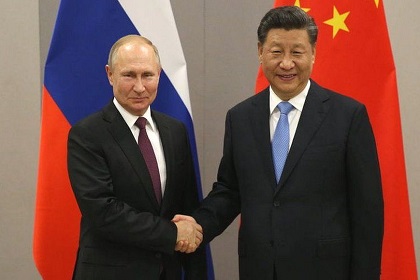
Signalling at the Beijing Olympics

The 2022 Beijing Winter Olympics came to a close on 20 February. It was marked by Covid restrictions, athlete dramas, and a united diplomatic boycott by Western democracies citing human rights concerns in Xinjiang, a boycott India later joined for Galwan-related issues. In contrast with the unity presented by China and Russia with summit meetings in the lead up to the Olympics, shifting alliances are now the norm.

india central asia Courtesy: ANI
25 January 2022

Quantum leap forward with Central Asia

India hosted a summit with five Central Asian states on January 27, marking 30 years of diplomatic relations with the region, and an important step forward to pursue greater connectivity between India and Central Asia. New Delhi's engagement holds promise for ambitious bilateral agendas including security in Afghanistan, the revival of dormant projects, and potential collaboration in renewable energy, space and information technology.

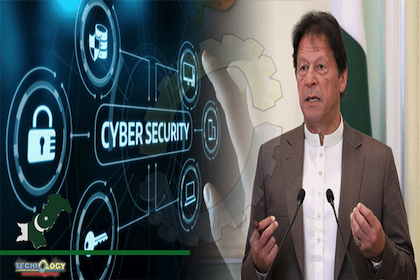
Pakistan is India's new cybersecurity headache Courtesy: Technology Times
11 November 2021

Pakistan is India’s new cybersecurity headache

Cyberattacks from Pakistan-based hacker groups targeting India have increased. The stepped-up cyber activity comes in the backdrop of Islamabad's new cyber security policy and expanded digital cooperation with China. India must bolster its existing abilities in cyber forensics and regulations to counter the enhanced Pakistani threat.

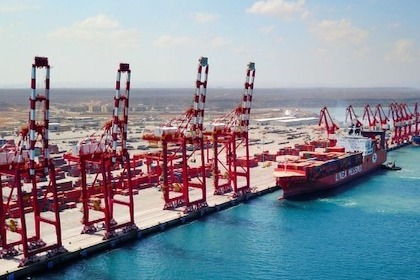
Chinese Port invesments Courtesy: The Maritime Executive
19 August 2021

China’s ports in the Indian Ocean

China is rapidly expanding its influence in the Indian Ocean Region, as its massive investment in ports starts to materialise. From smaller investments of $78 million in Djibouti to large ones like $1.6 billion in Gwadar, these are funded largely by Chinese state-owned enterprises. This infographic shows the 17 ports being built by China, which are now important strategic, economic and political outposts for the country.