Developing the Hangzhou Action Plan
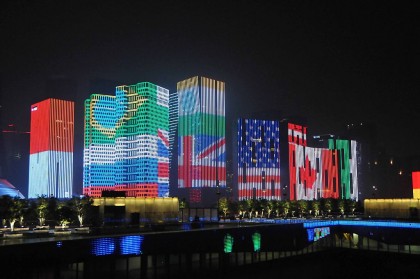
Global growth has become weaker than expected. Did the G20 at the Hangzhou Summit in September focus on reversing this trend and help build consensus in this direction?

 Courtesy: Getty Images
Global growth has become weaker than expected. Did the G20 at the Hangzhou Summit in September focus on reversing this trend and help build consensus in this direction?
 Courtesy:
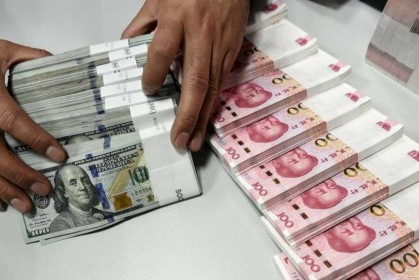
At the G20 summit in Hangzhou, leaders are expected to discuss the potential for strengthening the international monetary system and the conditions under which SDR could play an important role in this regard. This is a step that is well overdue but will require a major leap in international policy coordination.
 Courtesy: Ministry of External Affairs / Flickr
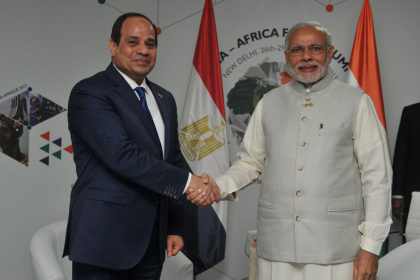
Egyptian president, Abdul al-Fattah al-Sisi, is set to arrive in New Delhi on 1 September 2016 with a delegation of important ministers and business leaders. This marks an important opportunity for the two countries to connect on a much wider range of regional and international issues than earlier.
 Courtesy: Quartz
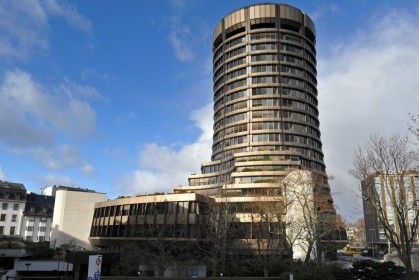
Regulations are the new focus of economic statecraft. Their increasing importance is reflected in the negotiations on global financial standards, plurilateral trading rules, and regional economic unions.
 Courtesy: Livemint
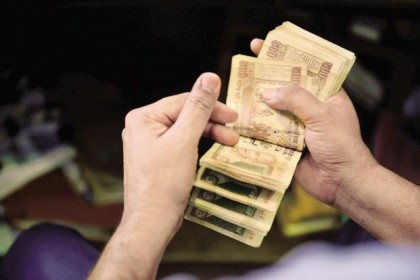
Indian infrastructure financing has for long suffered from rating concerns, but recent changes to credit enhancement are helping to plug this gap, enabling investment by foreign insurance and pension companies, and stimulating project exports.
 Courtesy: India Africa Forum Summit 2015
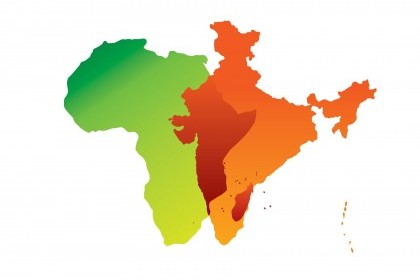
Prime Minister Modi’s tour of four African countries will seek to build upon recent high-level visits to the continent, providing fresh impetus for the reinforcement of India-Africa relations in matters of diplomacy, business, security, and energy while putting to rest criticism of India’s visibility deficit in Africa. However, the onus to harness this momentum now lies with other stakeholders.
 Courtesy: MEA / Flickr
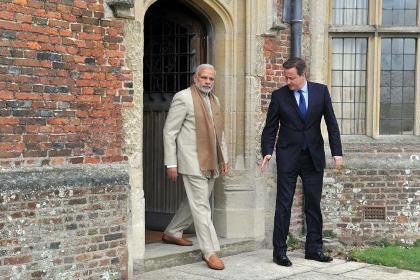
The result of the Brexit referendum is nothing less than a body blow to Bretton Woods organisations, International Monetary Fund-North Atlantic Treaty Organisation (NATO)-World Bank, that originated at the end of the Second World War. The possibility of an Asian century becomes more feasible, if India can be nimble enough to make the most of the opportunity which has presented itself in Europe.
 Courtesy: Wikipedia
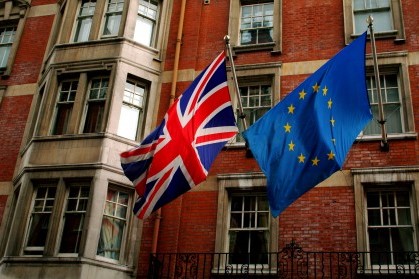
On June 23, the United Kingdom will vote on whether they wish to remain a part of the European Union through the Brexit vote. The debate surrounding the vote has spurred many a heated and emotional debate. While the Indian government has not declared anything publicly - remaining in the EU would be beneficial to Indian businesses.
 Courtesy: Manjeet Kripalani
The crippling effect of American sanctions are thorough; designed to strangle economies and bring entire nations to a halt. However, they unknowingly pull people together, imparting a deep sense of patriotism and often sparking innovation which can quickly surpass any other world power. With sanctions being lifted on nations like Myanmar, Iran and, hopefully, Cuba, the question remains whether they will retain their uniqueness or fall into line with the rest?
 Courtesy: IMF / Flickr
India must be fully engaged in the emerging G20-led international policy agenda being developed to deal with global structural weaknesses and raise public investment where fiscal space is available. India and other emerging markets offer higher investment returns---partly because of their demographics---and their deepening international integration makes them attractive.