BRI: reviving Turkish business?
Experts at a recent conference on China’s Belt and Road Initiative, hosted in Istanbul, spoke of its many advantages to the region, but also on the challenges involved in attracting financing

 Courtesy: Wikipedia
Experts at a recent conference on China’s Belt and Road Initiative, hosted in Istanbul, spoke of its many advantages to the region, but also on the challenges involved in attracting financing
 Courtesy: The Wire
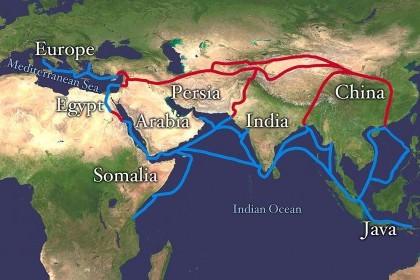
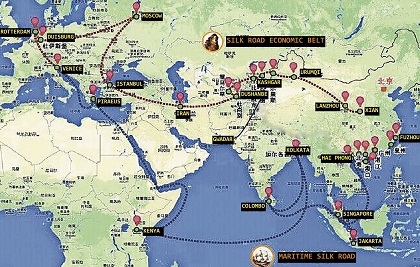
China has launched the One Belt, One Road (OBOR) Initiative in an attempt to rebuild the ancient Silk Road with proposed land and sea routes to promote infrastructure, trade, and investment in the regions that it will thus connect. The challenge will be to attract private financing to support the official and multilateral ones
 Courtesy: Quartz
Regulations are the new focus of economic statecraft. Their increasing importance is reflected in the negotiations on global financial standards, plurilateral trading rules, and regional economic unions.
 Courtesy:
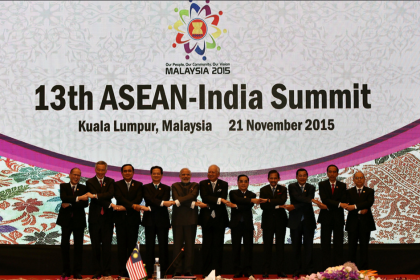
In two years, the Modi government’s Act East Policy has gone well beyond the focus on economic ties of its predecessor, the Look East Policy. It has made progress on many wider fronts, including connectivity and defence collaboration. India must now build on this success and further consolidate relations and trade links with ASEAN and beyond
 Courtesy: pixabay
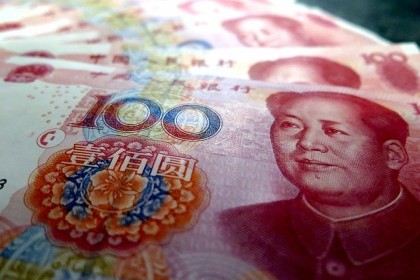
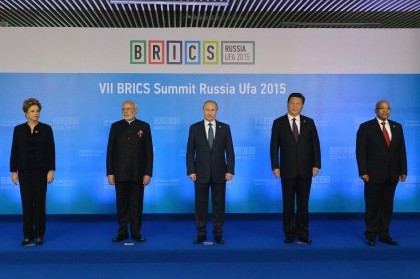
The Chinese Renminbi is now the first in the developing world to find a place in IMF’s basket of reserve currencies. But the road to its inclusion becoming effective is still almost a year away. In this time, China will likely further integrate its currency with global markets
 Courtesy: Wikipedia
At a recent international seminar on BRICS Studies, in addition to the predictable themes such as building a multipolar world order and the One Belt One Road project, fresh ground was also covered, including the contours of the New Development Bank and the potential impact of the refugee crisis on BRICS countries.
 Courtesy:
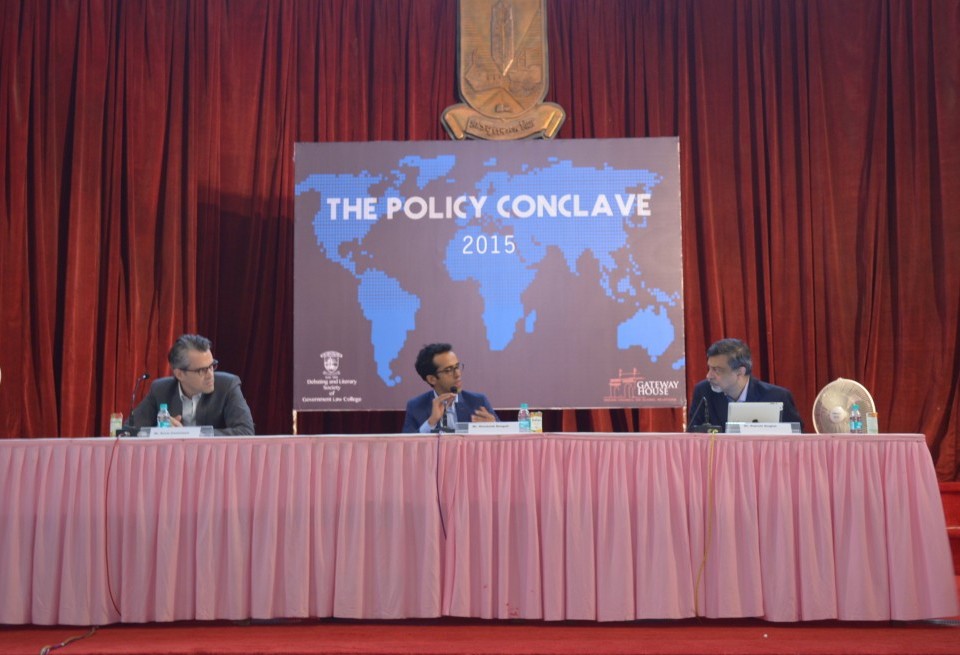
GLC Policy Conclave Session 1: The New Financial World Order Shashank Bengali (SB): So, Rajrishi, can you tell us basically what the circumstances were that led to the development of these new multilateral institutions? How did we get here? Read more
 Courtesy: yesow.com
The new guidance on the development of internet finance in China provides insight into the future of China's pioneering internet finance industry and the defining role it will play in the country's economic reform process
 Courtesy: Wikipedia
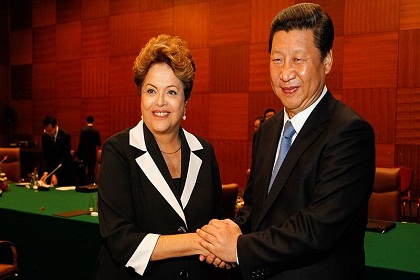
The New Development Bank initiated by BRICS countries can reform and democratise global economic governance. But to reach this goal, in this critical period when the bank is preparing to operationalise, it must formulate an innovative institutional design. This article outlines four guiding principles for such a structure
 Courtesy:
China's influence and presence in Latin America has grown rapidly in the form of trade and investment. China's growing presence is both a concern for Latin America and the U.S., which creates a window of opportunity for India