ONGC-Rosneft
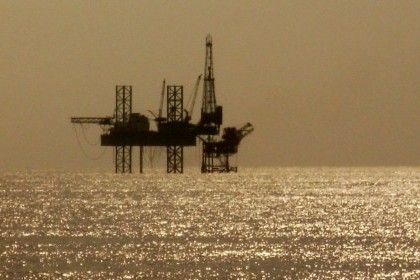
ONGC’s purchase of a 15% stake in Russia’s Vankorneft presents the road ahead for India – by acquiring oil and gas fields today, India has a chance to lock in the price of imported energy at the current low level for the long run.

 Courtesy:
ONGC’s purchase of a 15% stake in Russia’s Vankorneft presents the road ahead for India – by acquiring oil and gas fields today, India has a chance to lock in the price of imported energy at the current low level for the long run.
 Courtesy: Jürgen / Flickr
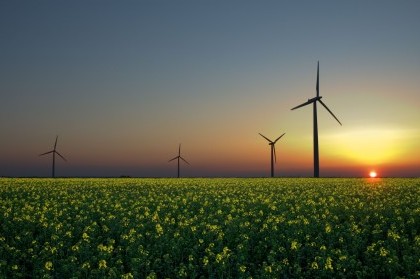
In Germany in June 2015, G7 countries made major commitments towards decarbonisation and reduction in greenhouse gases, which will lead to binding decisions at the COP-21 conference in Paris in December. Germany pushed for these outcomes, and as one of the most energy efficient countries in the world its technology and expertise can help India’s targets of alternative energy and sustainable industry.
 Courtesy: Amit Dave (Reuters)
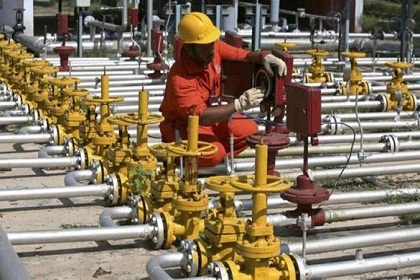
Conjecture about a Rosneft-Essar deal shows how the oil market dynamics have shifted in the past few years. Just as supply security is important to oil buyers, demand security is crucial for oil suppliers. Buying refining and marketing assets in big markets like India is the route to demand security for Russia, whose economy depends on petroleum exports.
 Courtesy: Alamy
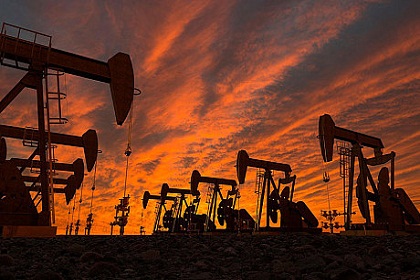
UK may be on its way to becoming a petro state, again, on back of an oil discovery that may be a whopping 100 billion barrels. The world is awash with cheap energy, and Indian companies need to seize the opportunity to acquire upstream energy assets.
 Courtesy: U.S. State department/Flickr
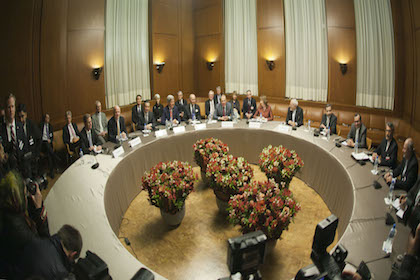
With the EU, Iran, and other entities taking decisive steps on April 2 to ensure a non-nuclear Iran, President Obama must now counter interests in the U.S. that want to stymie the final agreement. But having come this far, and considering the comprehensive benefits of an agreement, all sides are sure to deliver
 Courtesy: RIA-Novosti, Mikhail Klimentyev, Presidential Press Service
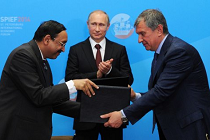
A fall in oil prices has pushed down the values of oil companies globally, giving India a rare chance to acquire assets cheap and hedge its economy against future increases in energy prices. There are plenty of plum assets to pick from—such as Rosneft, the state-owned Russian oil major
 Courtesy: MEA/Government of India
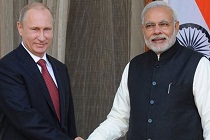
The India-Russia nuclear agreement envisages 12 nuclear reactors to be built in India. These will help India shift its energy mix towards nuclear power, which is cheaper than coal and less polluting
 Courtesy: wikimedia
The fall in oil prices is creating new complexities for the energy exporting economies of West Asia. With smaller profits, these countries may not be able to buy off political dissent at home and fund client governments and rebels abroad. Lower energy prices could also mean a renewed chance for peace
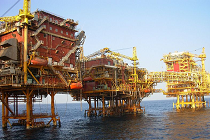 Courtesy: Nandu Chitnis/Wikimedia Commons
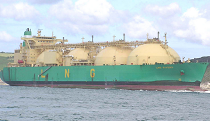
Russia’s gas supply agreement with China represents a shift away from its traditional European markets, towards Asia. The deal presents a blue print that India can follow to secure its own energy supplies and by drawing Russia into the LNG business, India can help bring down natural gas prices
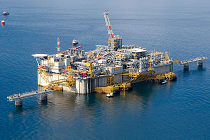 Courtesy: Jeremy Edmunds/Flickr
The issue of gas pricing is in the public discourse after the Aam Aadmi Party questioned the logic of linking domestic prices to global rates. In the absence of a single global marker price, it is time India, and other large importing countries in Asia, develop a pricing mechanism that reflects regional realities