EVs to Hydrogen?
The embargo on rare-earth magnets by China reflects a gap in India’s critical mineral supply chain. India should reduce the need for these minerals by promoting green hydrogen.

 Courtesy: shutterstock / Allahfoto
The embargo on rare-earth magnets by China reflects a gap in India’s critical mineral supply chain. India should reduce the need for these minerals by promoting green hydrogen.
 Courtesy: Getty Images
The Quad Foreign Ministers’ Meeting in Washington on 1 July, 2025, underscored the importance of diversified and reliable global supply chains, especially for critical minerals. A Gateway House report shows how to strengthen supply chains for rare earths by creating deep financial markets similar to those that exist for bullion and oil.
 Courtesy: Gateway House
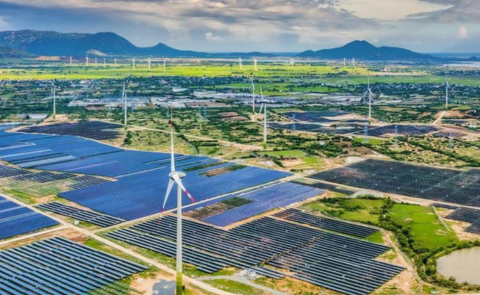
A slowdown of the Chinese economy, and the shift, particularly by MNCs, from China to other more competitive locations has opened up business opportunities for latecomers to supply chains in the developing world. Evidence suggests that Southeast Asia and some South Asian countries like India, Sri Lanka, Bangladesh, could be beneficiaries of the supply chain shift, particularly in labour-intensive segments.
 Courtesy: New Spotlight Magazine
Building a robust engagement with India on energy can help offset some of the economic and political crises that most of India’s neighbours are facing. Smaller South Asian neighbours will benefit from cheaper electricity and oil, paving the way for greater regional economic cooperation.
 Courtesy: Gateway House
Geopolitics is increasingly intertwined with the economic destiny of South Asia. Even before the U.S. tariffs were rolled out, growing polycrises had hit the global economy, which has been struggling since the pandemic. South Asia seems a relatively bright spark of regional trade and growth. This paper analyses South Asia’s trade architecture in the backdrop of a sluggish world economy in the 2020s, and makes recommendations for closer regional economic integration.
 Courtesy: President of Russia-Events website
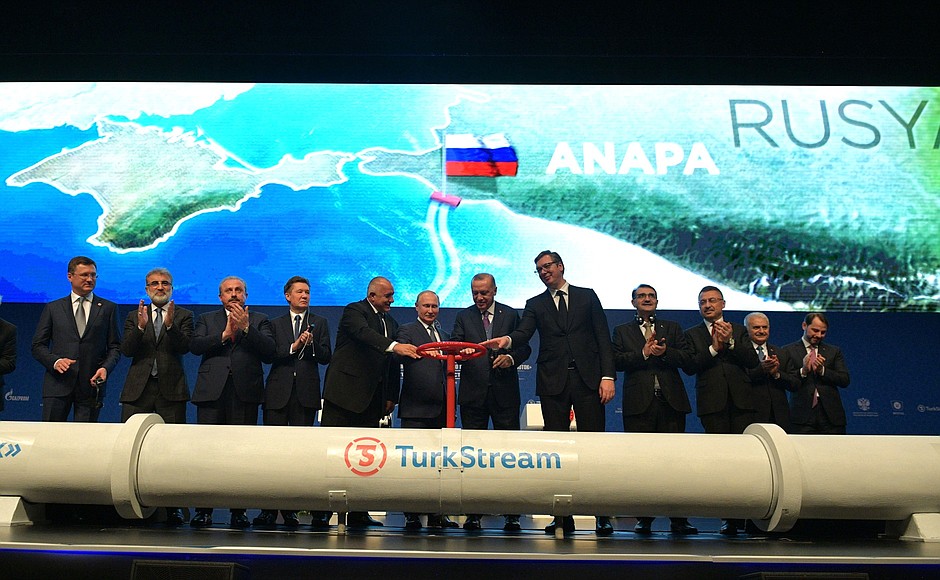
Europe has reduced its reliance on Russian gas following the war in Ukraine, and its chief supplier Russia is mired in western sanctions. What does it mean for Russia? It has certainly changed the fortunes for American gas to be sold to Europe: as of 2023, the US had become the world’s top exporter of gas.
 Courtesy: Bloomberg
Bangladesh faces an energy crisis due to increasing prices, depleting foreign exchange reserves and political instability. Amit Bhandari, Senior Fellow, Energy, Investment and Connectivity, Gateway House, speaks with Rayhan Rashid on an episode of the South Asia Democratic Forum’s podcast on challenges affecting Bangladesh’s energy sector and potential solutions such as diversification of energy sources, a shift toward low-carbon energy production, and regional integration.
 Courtesy: Business Standard
The advent of the pro-oil Donald Trump in the U.S. and the strong pushback by developing countries to the unsatisfactory COP29 proposals, has opened opportunities for India in the energy sector. Instead of investing in overseas oil facilities, India will be better served as a financial investor in listed companies in large economies. This approach will help forge closer ties with strategic partners.
 Courtesy:
On October 31, Adani Power halved the electricity supply to Bangladesh, owing to outstanding dues. Bangladesh’s already weak economy has become worse under the new regime, with the country running short of funds to pay for imports of fuel and electricity.
 Courtesy:
In the backdrop of the Shanghai Cooperation Organisation summit being held in Islamabad this week, is a restive state and peoples. Three high profile attacks in just a week were followed by a show of defiance from the large Pashtun community, demanding political equity – but also electricity concessions. The military has been stepping in to resolve commercial power deals, underlining the criticality of this issue in Pakistan.