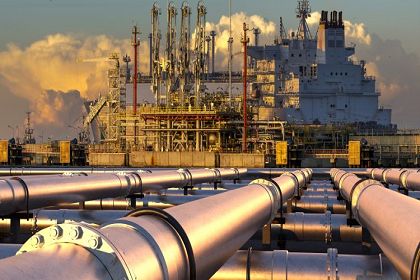
EVs to Hydrogen?
The embargo on rare-earth magnets by China reflects a gap in India’s critical mineral supply chain. India should reduce the need for these minerals by promoting green hydrogen.

 Courtesy: shutterstock / Allahfoto
The embargo on rare-earth magnets by China reflects a gap in India’s critical mineral supply chain. India should reduce the need for these minerals by promoting green hydrogen.
 Courtesy: Getty Images
The Quad Foreign Ministers’ Meeting in Washington on 1 July, 2025, underscored the importance of diversified and reliable global supply chains, especially for critical minerals. A Gateway House report shows how to strengthen supply chains for rare earths by creating deep financial markets similar to those that exist for bullion and oil.
 Courtesy: New Spotlight Magazine
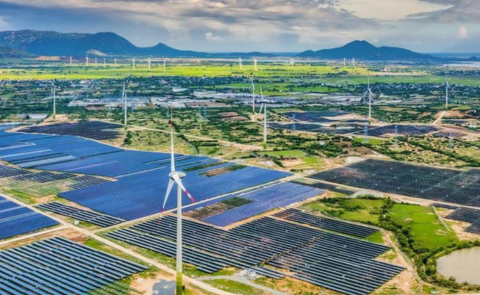
Building a robust engagement with India on energy can help offset some of the economic and political crises that most of India’s neighbours are facing. Smaller South Asian neighbours will benefit from cheaper electricity and oil, paving the way for greater regional economic cooperation.
The global energy market has been disrupted since the Ukraine-Russia conflict. Energy security is now a core concern for most countries and offers the chance to fix the structural problems in the energy generation sector. The interaction between energy security and environmental policies must be reassessed so policies can be consistent for the long term. Gateway House’s Saeeduddin Faridi speaks to Robin Mills, energy expert and CEO of Qamar Energy, about the state of energy markets.
Russia, the founding member of the Shanghai Cooperation Organisation (SCO), has been hit by Western sanctions on its energy exports and financial system. Still, Ivan Timofeev, Director of Programs at the Russian International Affairs Council, sees new opportunities to be seized. Deepening India-Russia business engagement is one, and the SCO as a constructive and accommodating force is another. K.A. Dhananjay from Gateway House spoke to Timofeev who visited Mumbai recently.
 Courtesy: Getty Images
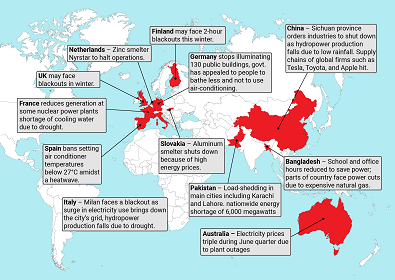
Sanctions against Russian energy, high cost fuel, heat waves and droughts all at once have raised the price of daily energy use to unprecedented levels and plunged large parts of the world into darkness.
 Courtesy: Reuters
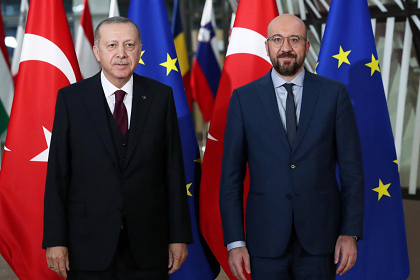
The Ukraine crisis has sent the EU scrambling for new gas supplies, generating fresh interest in gas pipelines from Central Asia and West Asia via Turkey. Practical difficulties make most of these new projects unviable.
 Courtesy: Hardik Joshi
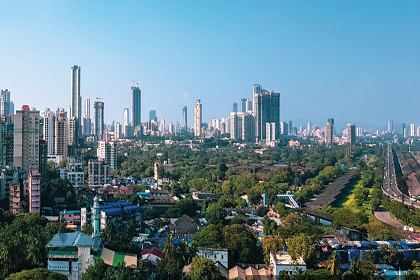
City-level climate action is gaining pace in India. This is crucial, given the country’s climate vulnerabilities and growing carbon footprint. Its success depends on mobilisation of climate finance, targeted devolution of central resources, inter-agency data-sharing and of course, public participation.
 Courtesy: Economic Times
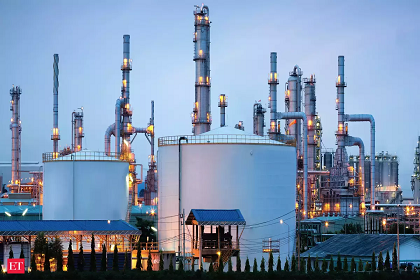
The warning signs were visible long before the Ukraine conflict. Years of insufficient investment into oil and gas production resulted in high price, and shortages. With investors keeping away from traditional fuels, the conflict in Ukraine precipitated the inevitable. Energy-dependent India must now insulate its supply chains.
 Courtesy: Twitter- Narendra Modi
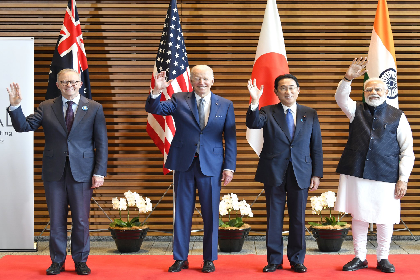
A serious stocktaking is expected at the Quad Leaders' Summit in Tokyo, to measure the progress of its wide-ranging list and proposals. In addition to vaccine partnerships, climate change, and connectivity, the Quad must now craft a common strategy for and expedite cooperation in, the economy, higher education, industry, and technology. It will also project unity in the Indo-Pacific region.