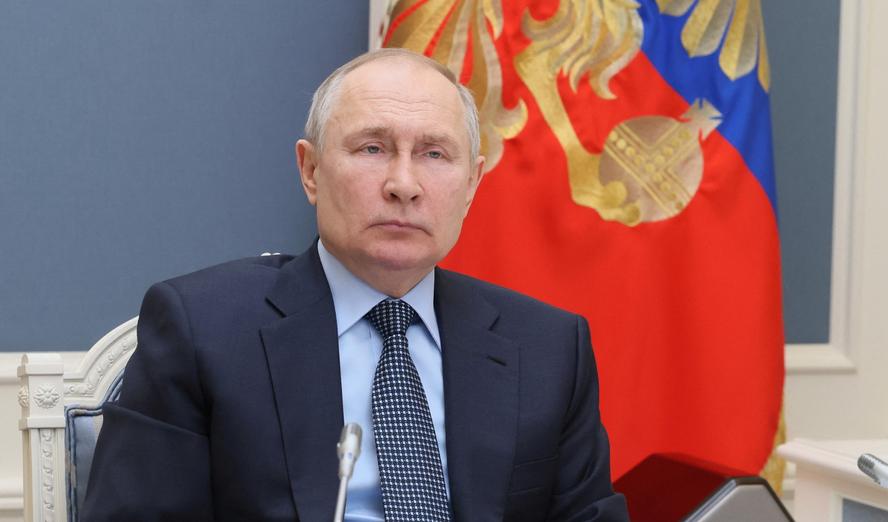
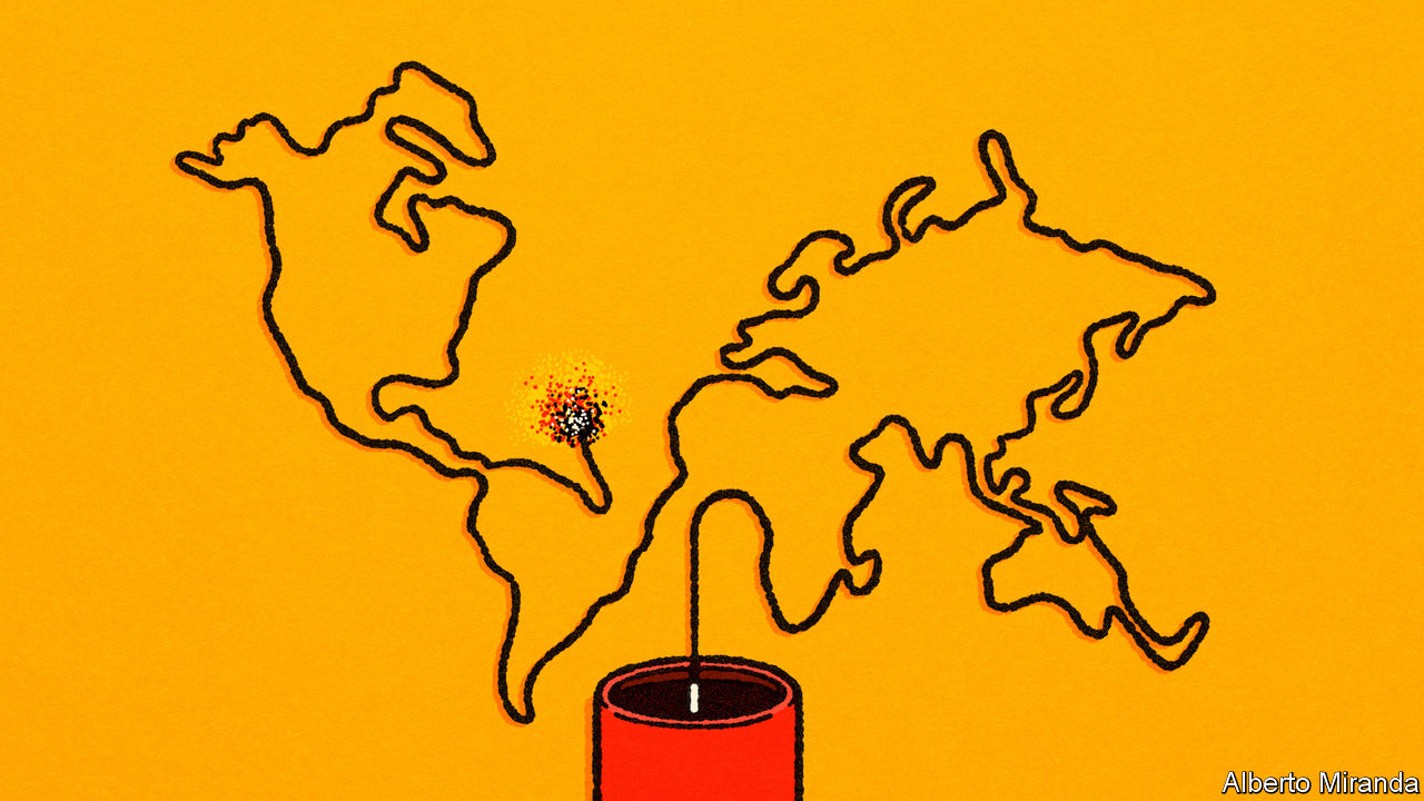
There was much at stake for the U.S.-Russia summit at Alaska – more than just the future of Ukraine. It will put the world back on economic track, and ease East-West relations, under stress for an on-going tariff war. For now, diplomacy has played a successful hand.
Most multilateral and plurilateral institutions have lost their significance and ability to shape the trajectory of international relations today. The G7 is no exception. It is impacted by the shift of power from the Atlantic to the Pacific, and an intra-Atlantic rift. The G7 discussions reflected this. More positive were the sideline discussions on repairing the India-Canada bilateral.
Canadian Prime Minister Carney can use the upcoming G7 summit he is hosting to advance the North-South dialogue and cooperation and also to discuss the strained bilateral with India. India can articulate the viewpoint of the Global South, stressing its conviction that the G7 is better served by constructively working with developing and emerging economies.
The proposed IMEC corridor connecting India to Europe through the Gulf can be transformative, helping to reduce risks to the global movement of goods and data. It’s early days yet, and there are gaps to be filled in terms of missing infrastructure and overcoming a diplomatic rift.
Over two centuries, the U.S. has amassed vast economic powers across the globe during and after the two World Wars , and sanctions slowly became an effective tool it used to achieve its foreign policy goals, becoming the global emperor of sanctions.
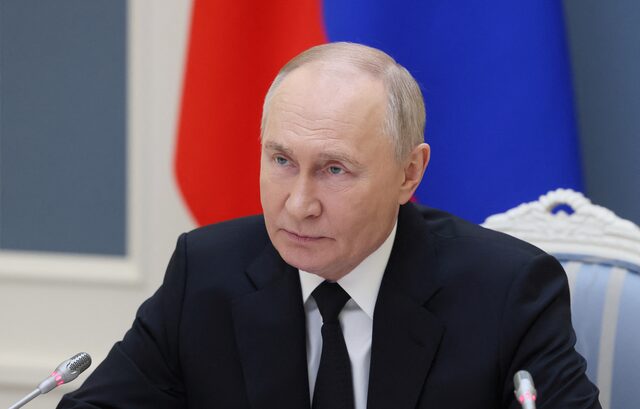
The 18 February bilateral negotiations between Russia and the U.S. to end the war in Ukraine, will take Russia out of western isolation and put it back into the global mainstream. This is a success for President Vladimir Putin, who has now been ruling Russia for 25 years, by focusing on domestic stability and development and a revival of relations with the West, China and India.
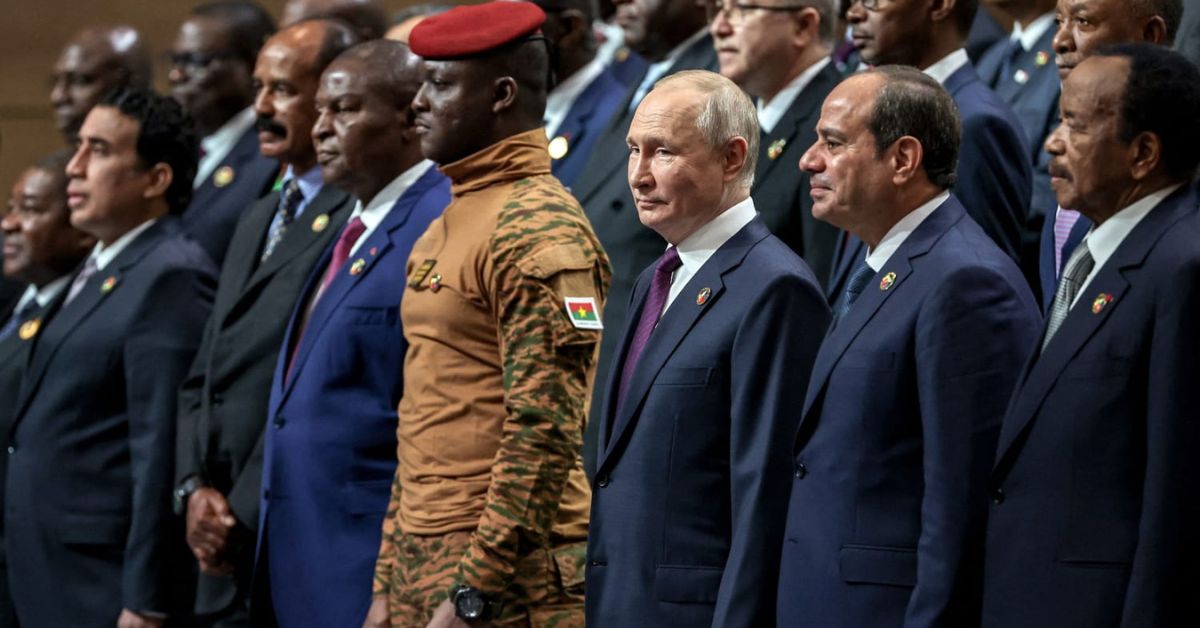
Since the Ukraine crisis, Russia has been positioning itself strategically in the African continent, strengthening bilateral ties and addressing regional security issues. It is leveraging economic, energy, agriculture and military ties and investments in order to be seen as serious a counterweight to the U.S. and the European Union’s presence in the continent.
On-ground realities and political dynamics have shifted in the Russia-Ukraine war, with the latter’s incursion into Russia’s Kursk region, even as there is a push for peace from multiple quarters. Ivan Timofeev, Director General of the Russian International Affairs Council discusses Russia’s perception of the conflict and peace efforts, its expectations from the BRICS Presidency and means of boosting commercial cooperation between India and Russia.
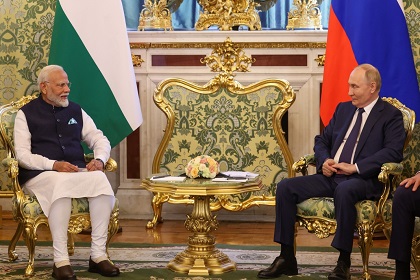
The 22nd India-Russia summit, held in Moscow on July 9 during Prime Minister Modi’s official visit, focused on expanding bilateral economic, energy, cultural and defense cooperation. It indicates the two nations’ commitment to adding substance and new momentum to their relationship. The long-delayed summit, which coincided with the NATO summit in Washington, should be viewed through the wider lens of a multipolar world.
After a year affected by a sustained polycrisis, global geopolitics in 2024 remains a delicate dance between hope and realism. Ongoing conflicts in Ukraine and Gaza cast uncertain shadows, while Taiwan and the South China Sea present potential flashpoints. Indian diplomacy will have to navigate old and new challenges, while promoting India’s expertise in digital technology, as also managing its own upcoming parliamentary elections.