SL Courtesy: AP
14 July 2022

Awaiting Sri Lanka’s Narasimha Rao

Sri Lanka is experiencing an economic, political and strategic crisis it has never had before. The situation is fragile – but a creative solution and determined national interest can help return the island nation to stability and growth. Amb. Rajiv Bhatia, in conversation with economist Dr Ganeshan Wignaraja on how Sri Lanka came to the current condition, and the remedies to adopt.
srinagar1 Courtesy: iStock Images
5 July 2022

G20 positioning from Srinagar?

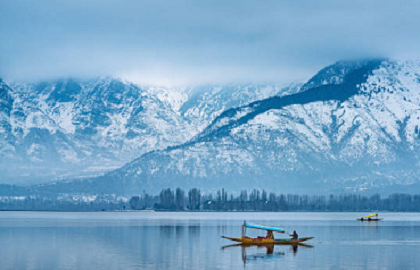
Holding one of the G20 meetings in Jammu and Kashmir is a bold, audacious and timely move. It is possible because of the ceasefire along the Line of Control which has been holding since February 25, 2021. The new geopolitical setting offers India an opportunity to diplomatically disdain the Chinese, camping not too far away in the un-demarcated border areas with India.

Untitled Courtesy: Gateway House
23 June 2022

Analysing India’s Economic Security Challenges

Low global commodity prices, strong FDI inflows, and sustained growth have boosted the Indian economy in the preceding decade. This favourable economic climate, however, was disrupted by the pandemic and the crisis in Ukraine, exposing vulnerabilities in the global economic system. This paper focuses on India’s economic security challenges, particularly in six sectors - Food, Energy, Finance, Data, Space & Undersea Cables and Critical Minerals - and suggests possible courses of action.

china pakistan flags Courtesy: Shutterstock
22 June 2022

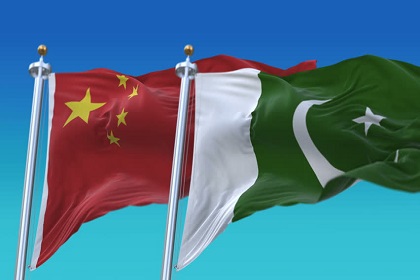
Understanding Pakistan’s China Debt Problem

Pakistan’s latest economic survey reveals the extent of the country’s indebtedness to China. High-interest Chinese loans, reckless multilateral borrowing, and ever-increasing defence budgets have deleteriously impacted Pakistan’s finances. Any lasting solution to these problems will have to involve China.

IMG-1700 Courtesy: @BIMSTECInDhaka
8 June 2022

BIMSTEC@25

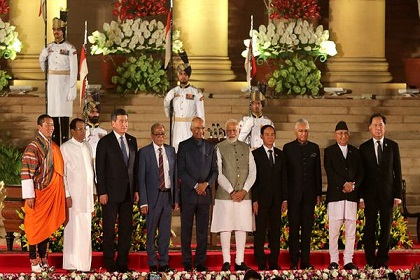
June 6, 2022, marks 25 years since India, Bangladesh, Sri Lanka, Bhutan, Nepal, Myanmar and Thailand joined hands to create BIMSTEC and infuse South Asia with economic and institutional cooperation. The strategic geography of this grouping has the potential to bring new synergy between South Asia and the recently-instituted Indo Pacific Economic Framework, ASEAN and the Quad, for a prosperous, secure Bay of Bengal Community.

renergy crisis photo Courtesy: Economic Times
26 May 2022

India in the global commodity shock

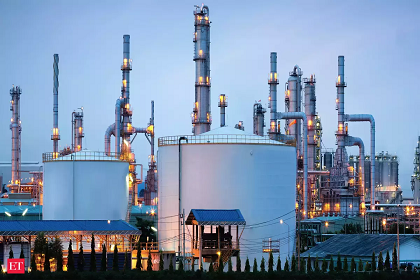
The warning signs were visible long before the Ukraine conflict. Years of insufficient investment into oil and gas production resulted in high price, and shortages. With investors keeping away from traditional fuels, the conflict in Ukraine precipitated the inevitable. Energy-dependent India must now insulate its supply chains.

bimstec 2 Courtesy: Twitter- BIMSTEC
19 May 2022

Incorporating the Blue Economy into BIMSTEC

The BIMSTEC charter has laid the foundations for a prosperous, peaceful, and sustainable Bay of Bengal region, a goal that can be achieved by greater integration and deeper collaboration. While ensuring continuity with past efforts and strengthening economic cooperation is necessary, it must also realise its potential in newer areas such as the blue economy, which has three interlinked pillars— connectivity, prosperity, and regional stability.

Nepal's role in Asia through SAARC and BIMSTEC Courtesy: Khabarhub
7 October 2021

Nepal’s role in Asia through SAARC and BIMSTEC

On 6 October 2021, Ambassador Rajiv Bhatia, Distinguished Fellow, Foreign Policy Studies Programme, spoke to Dr. Pramod Jaiswal, Strategic Affairs Editor at Khabarhub on the role of Nepal in BIMSTEC and SAARC, in an analysis of the 17th BIMSTEC ministerial meetings. He also highlighted the role of SAARC and BIMSTEC in countering Chinese influence in the region.

Danish Ismail/Reuters Courtesy: Danish Ismail/Reuters
15 June 2021

Linking demonetisation and stone-pelting

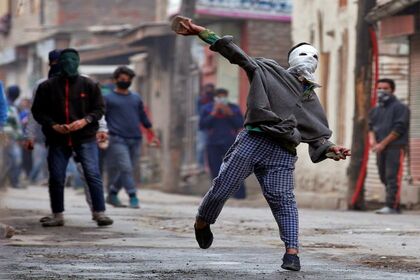
There have been many reported links between protesters pelting stones at security forces in Kashmir and the Pakistani Inter-Services Intelligence (ISI), with Indian intelligence reports that stone-pelters were paid money by the ISI, and often went on to become militants. This was an important motivation behind the demonetisation of currency notes by the Indian government in 2016. However, this raises the question: has demonetisation really curbed stone-pelting?

GH_GeoeconomicPushback Courtesy: Gateway House
10 August 2017

Geoeconomic pushback to China

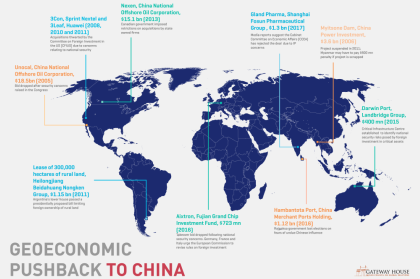
The Indian government may block the acquisition of Gland Pharma by Shanghai Fosun Pharmaceuticals, a move that offers further confirmation of how China’s opaque business model is causing concern worldwide. This infographic shows some high-profile cases of acquisitions by Chinese companies that ran into local opposition