Leveraging China's Economy Courtesy: Twitter |@GatewayHouseIND
28 October 2021

Leveraging China’s Economy

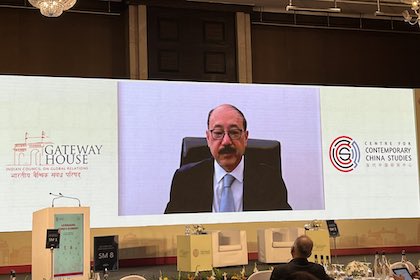
On October 21, the Foreign Secretary Harsh Vardhan Shringla inaugurated the CCCS-Gateway House conference on "Leveraging China's Economy". In his keynote address, he traced the India-China trade imbalance, explained that the disturbed border changed equilibrium and noted that the "ability of India and China to work together will determine the Asian century".


Growing Locally Courtesy: Shutterstock
7 October 2021

Growing locally

Geographical Indication (GI) tags can be ready revenue generators today, especially for India. The country's robust global e-commerce system and recent domestic drone policy can help build a strong GI ecosystem and boost India's soft power. The government must lend its support to the industry, learning from European and Chinese examples.

Nepal's role in Asia through SAARC and BIMSTEC Courtesy: Khabarhub
7 October 2021

Nepal’s role in Asia through SAARC and BIMSTEC

On 6 October 2021, Ambassador Rajiv Bhatia, Distinguished Fellow, Foreign Policy Studies Programme, spoke to Dr. Pramod Jaiswal, Strategic Affairs Editor at Khabarhub on the role of Nepal in BIMSTEC and SAARC, in an analysis of the 17th BIMSTEC ministerial meetings. He also highlighted the role of SAARC and BIMSTEC in countering Chinese influence in the region.

Webcast 3 - website Courtesy: Gateway House
30 April 2020

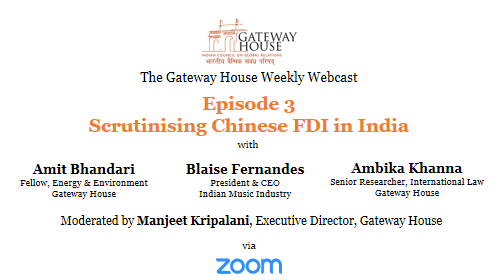
Gateway House Webcast: Scrutinising Chinese FDI in India

Amit Bhandari, Energy & Environment Fellow, Gateway House; Blaise Fernandes, President, Indian Music Industry Association; Ambika Khanna, Senior Researcher, International Law Programme, Gateway House discuss the reaction to China’s increased investment in HDFC, the depth and motive for China's investments in India, and the new FDI rules put in place by the government to protect strategic investments in the country.

00_fa_mj2020_cover Courtesy: Foreign Affairs
27 April 2020

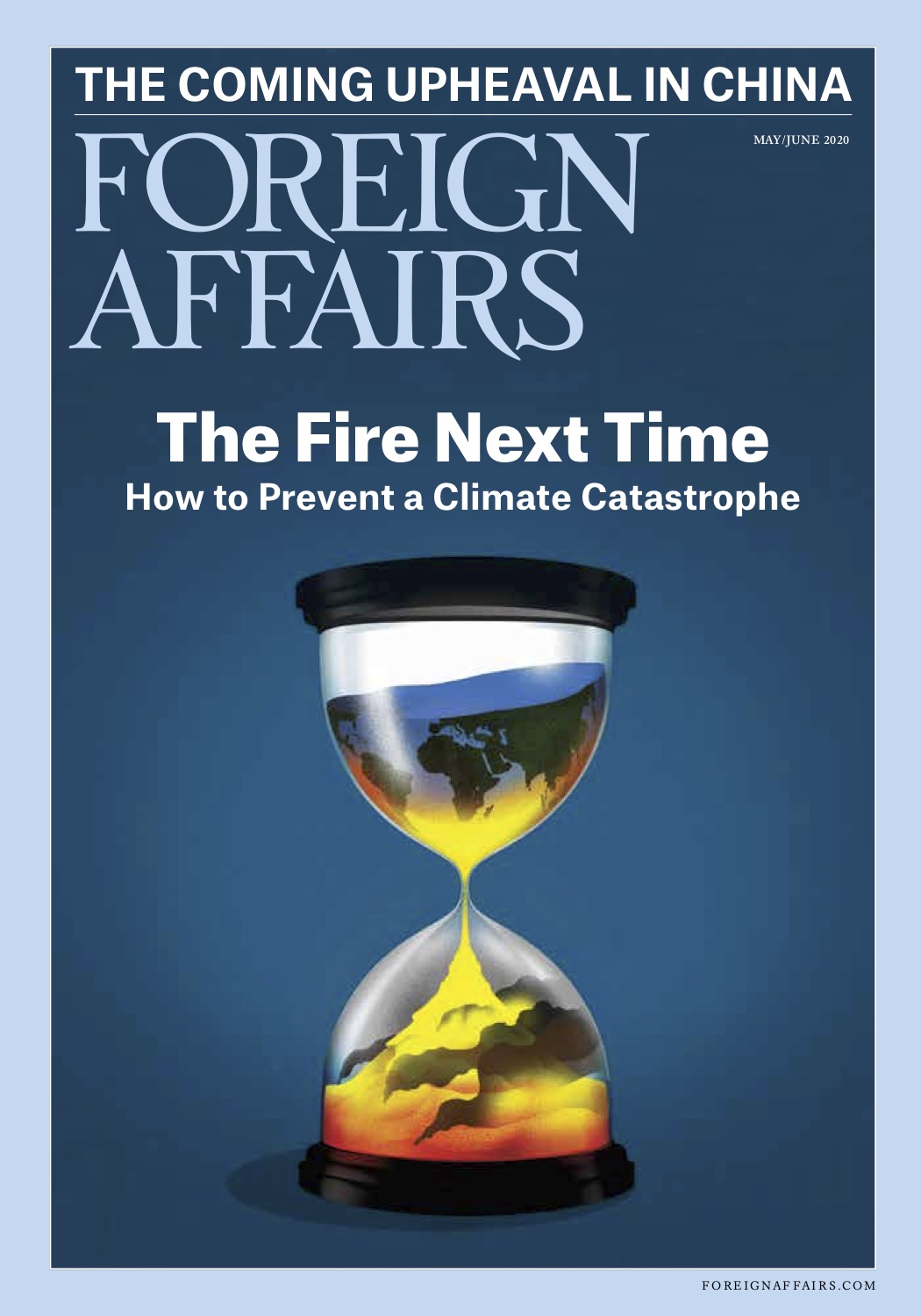
China’s Coming Upheaval

The U.S.-China relationship, which has wavered between cooperation and competition, has, over the past few years, veered more sharply towards confrontation – possibly because of China’s own more assertive stance. Now, Beijing’s confidence is under test, not only by these fractious relations, but also COVID-19 and an economic slowdown. Will these factors reveal its weaknesses?

Cover with black border Courtesy: Gateway House
29 August 2019

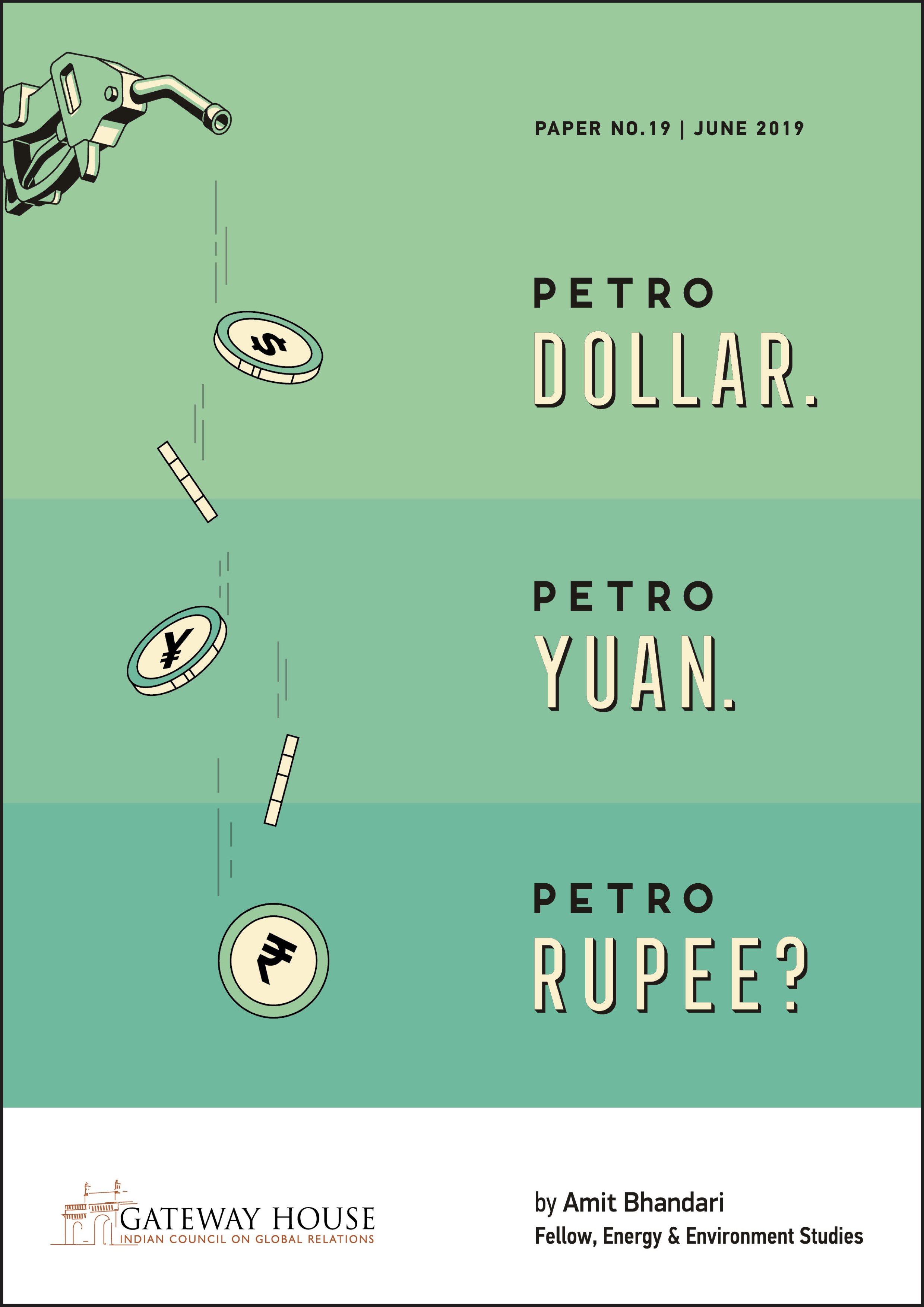
Petro Dollar. Petro Yuan. Petro Rupee?

The global energy scenario has changed in every way – be it in demand, supply or energy type – in the last two decades. The only unchanged component has been the currency of energy trade: the U.S. Dollar. Lately, though, the Chinese Yuan has emerged as a challenger. Can the Indian Rupee be a third contender?

shutterstock_1330442825 Courtesy: Shutterstock
15 August 2019

Sequencing Governance and Economic Growth

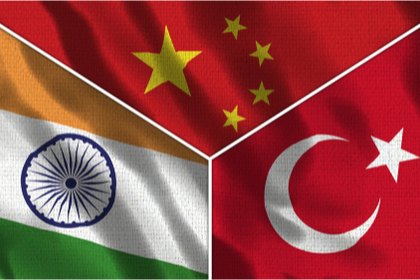
The Narendra Modi government came to power in India in 2014, promising "minimum government, maximum governance". Its roll-out of numerous government schemes meant that democracy and governance came before economic growth. But it returned Modi to power.Analysing the current debate on growth and governance the author explores how the sequencing of governance and economic outcomes is different in China, Turkey and India

Rediffmail Courtesy: Rediffmail
6 December 2018

Modi a better CM than PM?

Academic and columnist M.D. Nalapat, in this interview with Manjeet Kripalani, speaks of how a tardy bureaucracy has brought about “a too-cautious” policy towards the U.S. and China as opposed to the former Gujarat chief minister’s greater openness in consulting people before handing over policy implementation to the bureaucracy. He also discusses the prime minister’s shrewd approach to South Asia, the dependable warmth of the Japanese and a range of other topics