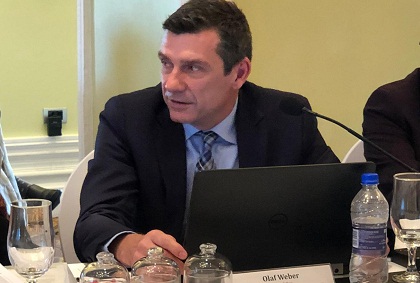
Olaf Weber, Senior Fellow, Centre for International Governance Innovation (CIGI), University of Waterloo Research Chair in Sustainable Finance, one of the participants in the India-Canada Track 1.5 Dialogue, on how green finance and economic development are not contradictory any more
Don Stephenson, former Chief Trade Negotiator, India-Canada Comprehensive Economic Partnership Agreement, discusses how India and Canada can work together on effecting reform in the World Trade Organization
Rohinton Medhora, President, Centre for International Governance Innovation (CIGI), Waterloo, Canada, and co-host of the second edition of the India-Canada Track 1.5 Dialogue in Mumbai, spoke to Gateway House on how data management and governance around new technologies, such as Artificial Intelligence, are the issues of the future
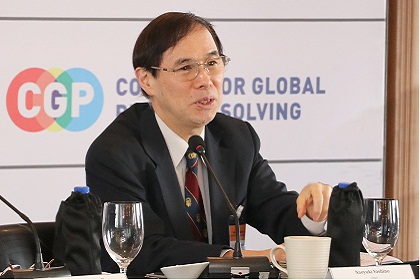
Naoyuki Yoshino, Dean, Asian Development Bank Institute, outlined some of the issues that will concern Japan, which is president of the G20 this year. He was in Mumbai for the India-Japan dialogue, organised by Gateway House recently
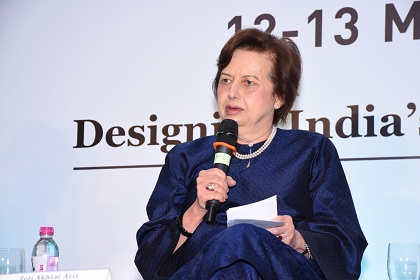
Zeti Akhar Aziz, economic advisor to newly elected Malaysian Prime Minister, Mahathir Bin Mohamad, believes that economic policy should be rooted in moral and religious ideas
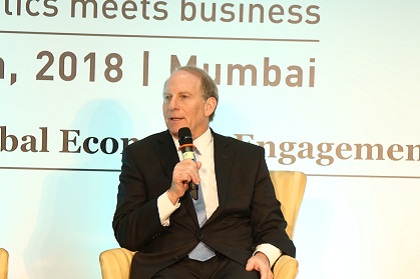
The 44th G7 summit, held in Canada in the first week of June, ended on a tense, disunited note—not unlike the premise of Richard Haass’ 2017 book, The World in Disarray: American Foreign Policy and the Crisis of the Old Order. In this interview, the President of the Council on Foreign Relations discusses the role of international institutions, World Order 2.0 and how India can participate in it
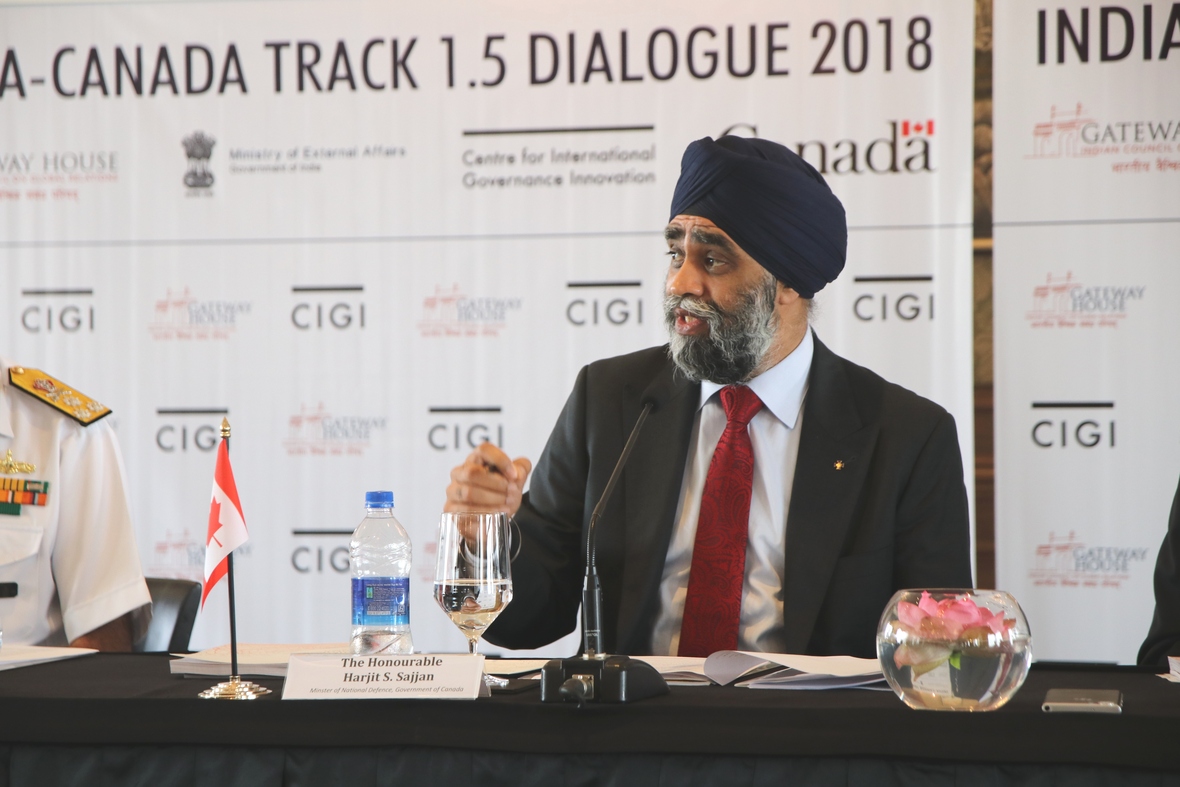
Canadian Minister for National Defence, Hon'ble Harjit S Sajjan, discusses contemporary security issues, international peacekeeping, bilateral defence ties, and geopolitical arenas, relevant to India, Canada, and the world. More specifically, he converses about prospects of peace in Afghanistan, the geopolitics of and Canadian sovereignty over the Arctic, UN peacekeeping programs initiated by Canada, focus areas for India and Canada defence relations, and the Quad initiative.
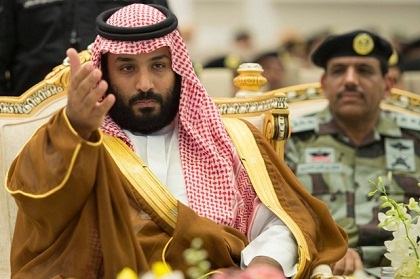
The removal of 11 top ministers in the Riyadh government last week by the young crown prince Mohammad bin Salman, is a geopolitical upheaval, the implications are serious. Domestically, the kingdom is seeking to liberalise its conservative society and move away from oil-dependency – evident from the expected listing of its crown jewel Aramco. For India, which imports oil largely from West Asia, instability could cause a spike in prices, leaving less for its ambitious reforms. Globally, there is now space for new alignments – in the Great Power plays, in the Shia-Sunni rivalry, and in the war on terrorism.
Professor Madhav Das Nalapat sits down with Manjeet Kripalani to discuss the ascendance of Xi Jinping into the pages of the Chinese Constitution and what this new status quo means for India and it's strategic interests.
Gateway House, in collaboration with the British Deputy High Commission, hosted a roundtable discussion with Sir Michael Fallon, Secretary of State for Defence, United Kingdom. After the discussion, Gateway House interviewed the Minister about the potential for India-UK defence cooperation in dealing with traditional and cyber threats, and hybrid warfare.