Oil,Field,With,Pump,Jack,,Profiled,On,Blue,Sky,With Courtesy: Shutterstock
10 February 2022

A sovereign wealth fund for oil security

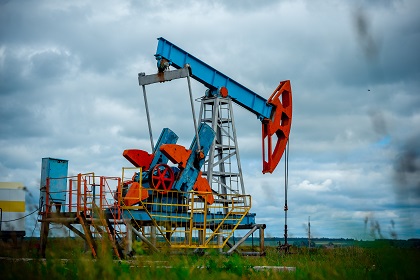
Renewable energy is trendy, but still unreliable at this early stage. Countries will find it necessary to fall back on traditional energy sources like coal and oil for their needs, and this can lead to energy price spikes. To protect itself from this scenario, now is the time for energy-dependent India to set up a wealth fund that invests in listed oil companies around the world, to reduce the risk of energy insecurity.
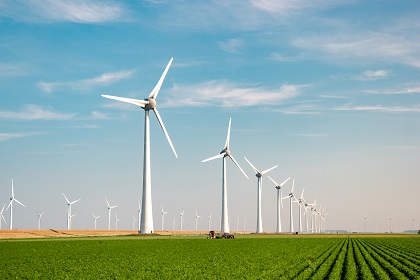
Offshore,Windmill,Park,With,Stormy,Clouds,And,A,Blue,Sky, Courtesy: Shutterstock
27 January 2022

Green push too far

Since August 2021, Western Europe has faced a problem with renewable energy, causing it to turn to natural gas as an emergency alternative. This has led to a significant increase in gas prices and has serious implications for fertiliser and food prices. If this trend continues, it will be likely to cause food insecurity especially in poorer nations which do not have the monetary cushion of the West.

Indian,Ocean,Military,Boat,Reunion,Island Courtesy: Shutterstock
20 January 2022

The Indo-Pacific opportunity in 2022

Nine great powers and a number of important multilaterals have vested interests in the Indo-Pacific. Given the U.S.-China standoff in the region, the role of new groupings like the Quad and AUKUS is significant. The time is ripe for India to use its position in the region, and convert its humanitarian duties into economic and strategic opportunities in 2022.

chaitanya cover Courtesy: Routledge India
5 January 2022

India in the Second Space Age

The concept of astropolitical blocs as an extension of geopolitical blocs remains unexplored, especially from an Indian perspective. As the scope of international cooperation in space expands into soft science diplomacy, the advent of the second space age creates opportunities for India to step up its space program, according to this book. This particular excerpt discusses the second space age, the changing nature of space enterprises, and the involvement thereof, of developing nations.

Geopolitical contestations in cyberspace
27 December 2021

Geopolitical contestations in cyberspace

On 20 December 2021, the Gateway House-FLAME Policy Lab organised a webcast on geopolitical contestations in cyberspace. Gateway House’s Sameer Patil moderated the discussion with former deputy National Security Advisor Latha Reddy, National Law University’s Gunjan Chawla and cybersecurity expert Atul Khatavkar.

G20 Rome summit, marching ahead Courtesy: G20
4 November 2021

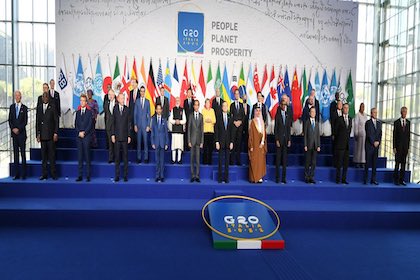
G20 Rome summit, marching ahead

The Oct 30-31 G20 Leaders’ Summit in Rome took several important steps to accelerate economic recovery and health security. In the absence of several Eurasian leaders, India played a significant role especially on climate and energy. The G20 will now acquire greater salience in India's foreign policy, as it readies to lead the grouping in 2023.

Demystifying Maritime Lawfare Courtesy: Shutterstock
2 September 2021

Demystifying Maritime Lawfare

A new maritime law in China allows it to supervise all foreign vessels which appear in the country's "territorial waters" - many parts of which are internationally disputed. Nationalistic maritime actions such as China’s aggression in the South China Sea and Russia’s actions in the Black Sea, has revived international focus on maritime law. In this podcast, Dr Stefan Talmon, professor and co-director at the Institute of International Law, University of Bonn, interprets maritime law in the two hotly contested seas.

Sanctions,-,Just,Ahead Courtesy: Shutterstock
5 August 2021

Are counter-sanctions effective against sanctions?

Sanctions are an important foreign policy tool, used especially by the West against its adversaries. Now, these rivals are retaliating with counter-sanctions. Are these effective? How does this impact global politics? Where does India stand in this free-for-all sanctions era?