modi-768x432 Courtesy: CNBC TV18
28 May 2019

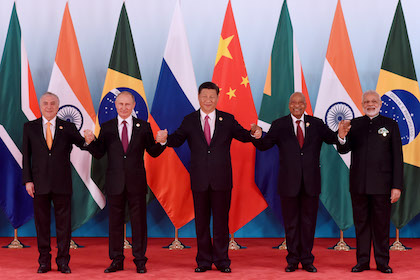
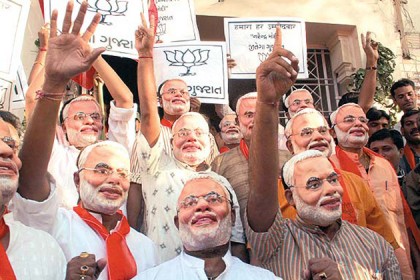
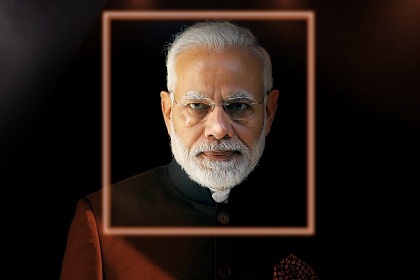
PM Modi’s foreign policy 2.0

India's foreign policy under the second Modi government will take account of a turbulent world in which the old verities are disappearing and domestic political compulsions exert overwhelming influence on external postures
download (1) Courtesy: Caixin Global
5 July 2018

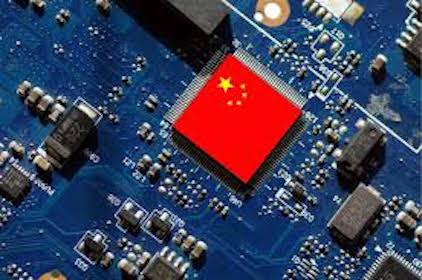
China’s disquieting FDI in high-tech

China’s foreign direct investment is shifting away from natural resources to high-tech areas, such as Artificial Intelligence and robotics. The scale of these acquisitions, along with questions about intellectual property and national security, are causing widespread concern in the West

CableMap-web Courtesy: Gateway House
5 April 2018

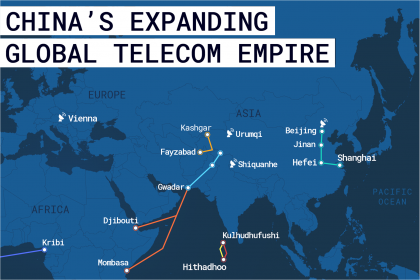
Version 1: China’s strategic edge in covert communications

China is steadily deploying state-of-the-art communications systems to connect its strategic and economic assets in Asia. It is then linkingthe Asian mainland to Africa, and Africa to South America. The investment spree is rapidly making Beijing a major player in global telecommunications – and ‘informationisation warfare’.

37019468915_3c74a9c724_o Courtesy: Government of South Africa/ Flickr
25 January 2018

South Africa leads BRICS, IORA in 2018

Internal political constraints dog it currently, but if overcome, South Africa can be a good chairman to BRICS and IORA in 2018. It also has a tough balancing act to perform between two great Asian powers, China and India

Djibouti - Title Card Courtesy:
3 October 2017

Djibouti’s ‘military base’ diplomacy

Indian President Ram Nath Kovind leaves for Africa on his first foreign visit as president on October 3. His first port of call will be Djibouti, which occupies a strategic location in the Horn of Africa. The country has assumed significance for hosting multiple foreign military bases on its territory, the latest entrant being China. This infographic illustrates Djibouti’s ‘military base’ diplomacy.

_96278695_6dce5a47-502a-4f67-95ff-17f4295e53c8 Courtesy: BBC
21 September 2017

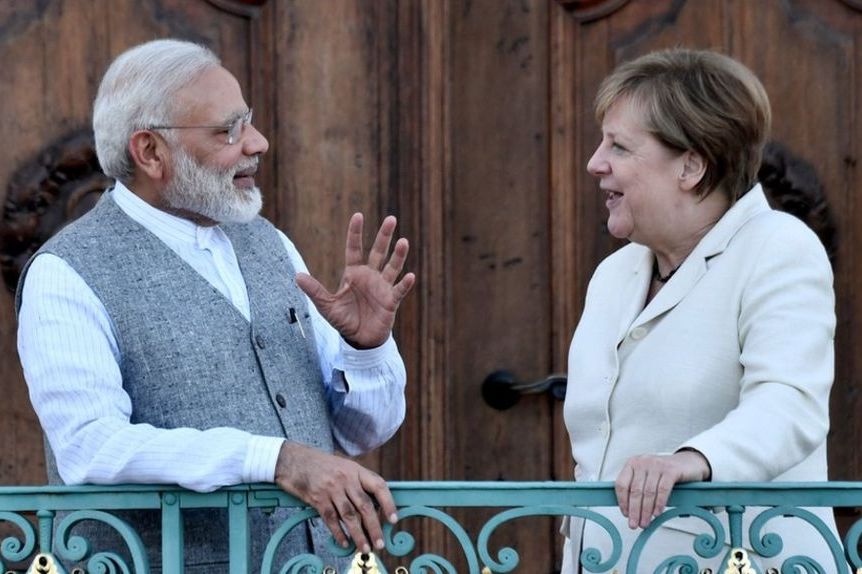
India, Germany and Africa: the new priority

Germany and India have revealed a dual priority for Africa: creating opportunities for prosperity and promoting stability. For both, these are uncharted waters and represents a shift in the locus of global dynamism, away from an Anglo-Saxon world order to a more diverse yet potentially fissiparous one

3W7A0205 Courtesy: Gateway House
14 February 2017

Market based strategies for renewable energy projects

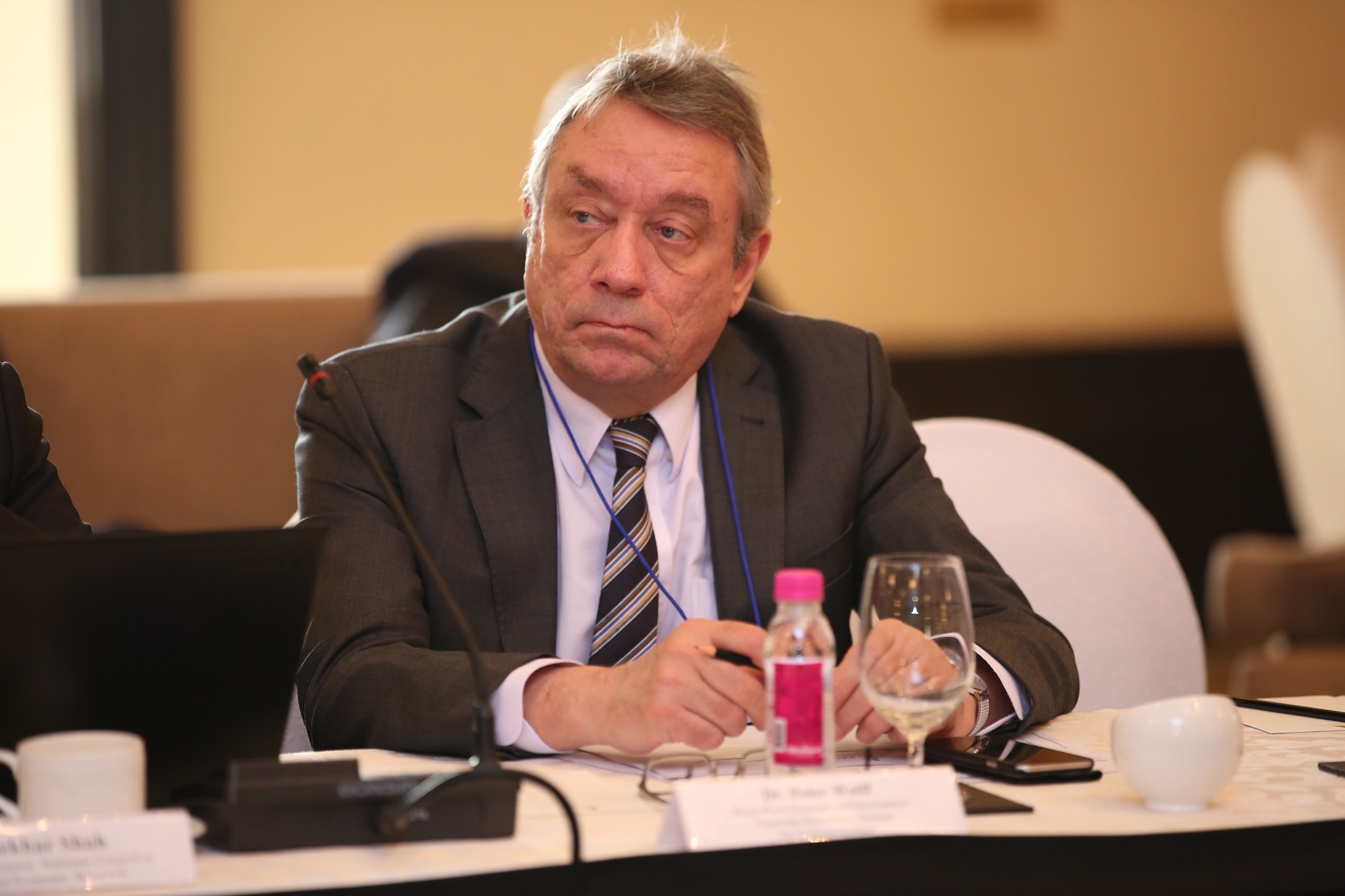
In his interview, Dr. Peter Wolff discusses the pillars and objectives of Germany's Marshall Plan for Africa and the need to integrate it into the global value chain. In the sphere of renewable energy, he argues that the most effective way of establishing a solid renewable sector is through market based strategies rather than government based ones. Although in some industries public private partnerships are the best measure, in others a more corporate lead approach is better.

GH_Demonetisation_Web-724x1024 Courtesy: Gateway House
24 November 2016

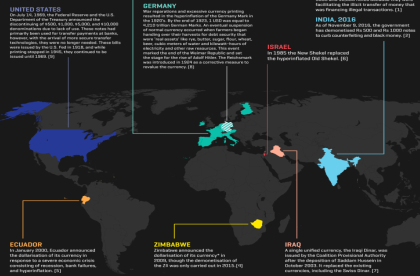
Demonetisation around the world

Prime Minister Narendra Modi's announcement on November 8 to demonetise notes of the denomination of Rs 500 and Rs 1000 has a precedent. This infographic traces some interesting demonetisation initiatives around the world. From discontinuation of high denomination notes due to lack of circulation, to the use of beer and water as 'real assets' in place of hyper-inflated currency.

nice-attack-1 Courtesy: The Independent/AP
20 July 2016

Islamic State and France: mortal enemies

France's state policy of 'laïcité' (secularism) and its military interventions in Islamic countries has made it the prime target of IS in the West. The hardline French response to step up bombing campaigns against jihadis in Syria, Iraq, and Mali will likely continue, but conversely feeds IS strategy, which is to foment anti-Muslim sentiment among the non-Muslim French population.