Turkey: Europe’s new gas hub?
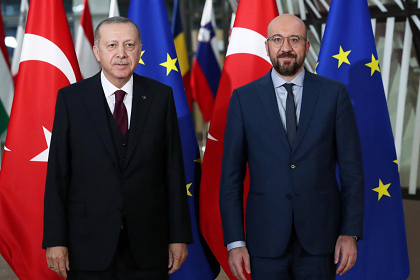
The Ukraine crisis has sent the EU scrambling for new gas supplies, generating fresh interest in gas pipelines from Central Asia and West Asia via Turkey. Practical difficulties make most of these new projects unviable.

 Courtesy: Reuters
The Ukraine crisis has sent the EU scrambling for new gas supplies, generating fresh interest in gas pipelines from Central Asia and West Asia via Turkey. Practical difficulties make most of these new projects unviable.
 Courtesy: Shutterstock
The UN turned 75 this year but instead of grand celebrations, the world witnessed an empty UNGA with world leaders addressing it via video screening because of the pandemic. The UN is under unprecedented stress and being shown up for its inability to tackle the challenges of today like the pandemics, climate change, terrorism or global peace and security. The institution's key governing structures, especially the UN Security Council, are inadequate and demand reform. India must now use gritty resolve to ensure its place in these governing structures.
 Courtesy: Pinterest
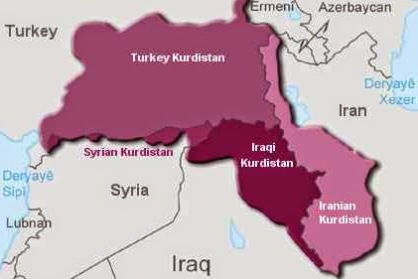
The Kurdish issue is far more complex and sophisticated than the simplistic nationalist rhetoric, made fashionable by Europeans-- and which all actors in the game feel compelled to employ and have us believe
 Courtesy:
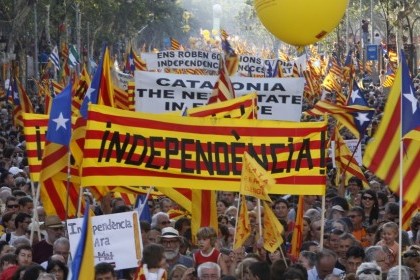
A number of democratic processes are set to unfold in this week. A referendum in the Kurdistan Region of Iraq, the AfD's surprising outcome in the German Parliamentary election and the upcoming referendum in Catalonia, Spain. Ambassador Neelam Deo, Director at Gateway House, discusses the geopolitical implications of these highly-controversial domestic democratic processes.
 Courtesy: Gateway House
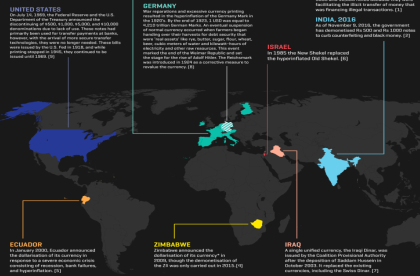
Prime Minister Narendra Modi's announcement on November 8 to demonetise notes of the denomination of Rs 500 and Rs 1000 has a precedent. This infographic traces some interesting demonetisation initiatives around the world. From discontinuation of high denomination notes due to lack of circulation, to the use of beer and water as 'real assets' in place of hyper-inflated currency.
 Courtesy: Narendramodi.in
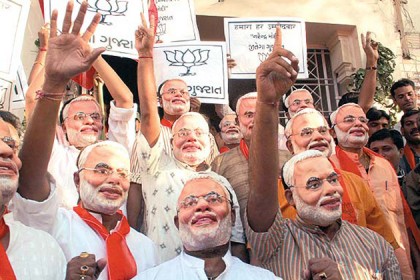
Narendra Modi’s landslide victory in India's 2014 general elections, despite his hardline nationalist image, was viewed as a localised phenomenon. But two years later, voters across the world from Europe to Philippines seem to be tilting towards leaders with the same nationalist tag.
 Courtesy: W123/WikimediaCommons
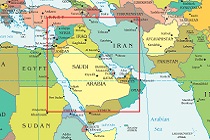
Whether backdoor geopolitics rather than careful negotiations brought about the interim agreement on Iran’s nuclear programme, the next six months will determine its fate. Reactions have ranged from a furious and mistrustful Israel to collective relief by many countries, and a worried India welcoming the agreement
 Courtesy: Gateway House
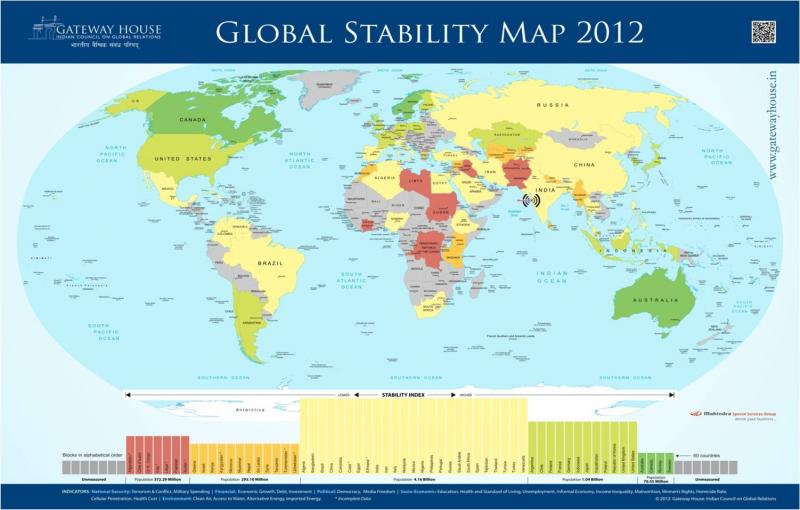
Gateway House prepared a Global Stability Map, using 20 differing indicators, to analyze the stability of 60 countries around the world. Using criteria that are important to the emerging economies of the world, the map provides an Indian perspective of the world today.
 Courtesy: nazeah/Wikimediacommons - Ramesh Lalwani/Flickr
The year 2011 saw various events - the Arab Spring, anti- corruption protests, Europe's sovereign debt crisis - transform countries and reshape the world order. Gateway House takes a look at what these events mean for India, and presents India's top foreign policy cheers and jeers for the year.
 Courtesy: UNPhoto/MarcoDormino
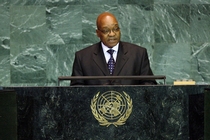
A new United Nations doctrine is revolutionising the manner in which Western powers achieve regime change. Under the pretext of “Responsibility to Protect” –as the doctrine is named –armed intervention does not depend on the aspirations of a populace but the facilitation of existing power equations