BoB3 Courtesy: The Strategist
1 June 2023

Food, Energy & Finance Connectivity in the Bay of Bengal

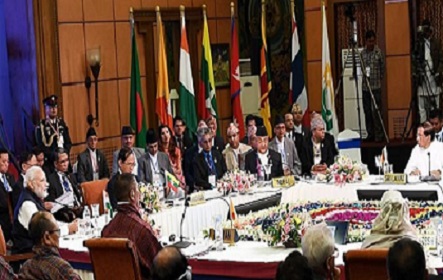
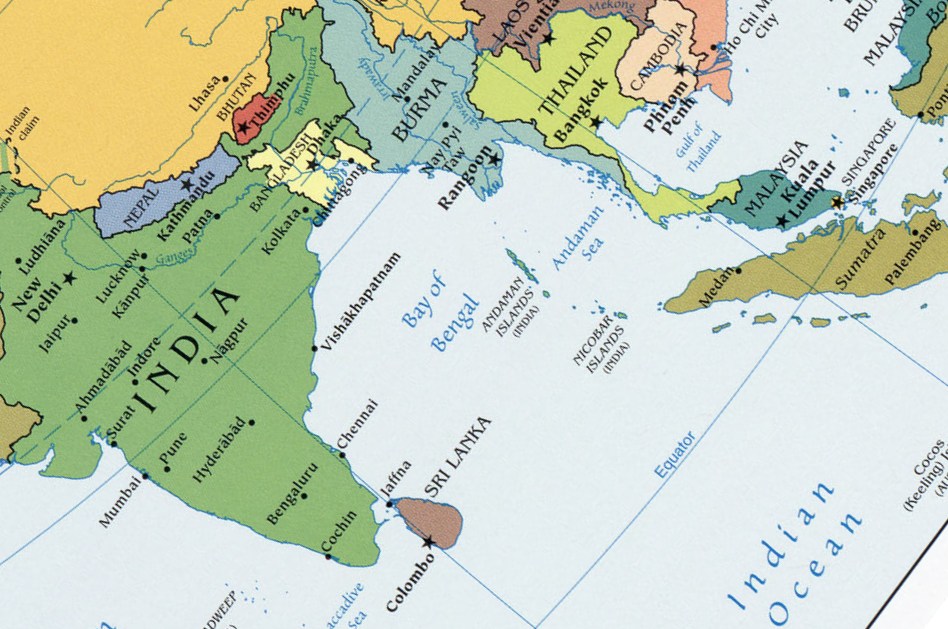
Despite its natural advantages, the Bay of Bengal region lags economically, in part due to insufficient connectivity between the member nations. Improving financial connectivity between them is the first step to easing movement of goods, services and people. Greater financial collaboration also can help the region mitigate the impact of ongoing geopolitical upheavals that have caused food and energy prices to rise.
indian port Courtesy: Reuters
9 February 2023

Trading more within Asia makes economic sense

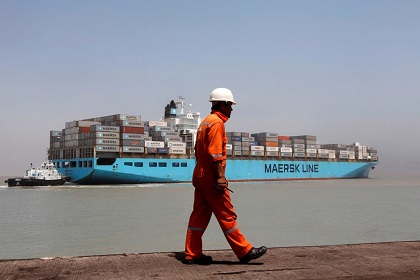
The International Monetary Fund’s recent warning of a slowing global trade comes as a sign for South Asia to reassess its regional trade within the continent. India, in its year of G20 Presidency and as South Asia’s largest economy, can use its platform to lead the way via dialogue, capacity building, and regulatory policies to encourage open regionalism in Asia.

pic for website Courtesy: IMF
19 January 2023

Trade Integration: South Asia and East Asia

Since the 1990s, South Asia–East Asia trade and free trade agreements have accelerated as India’s trade realigned toward East Asia. As regional trade recovers after the COVID-19 pandemic, South Asian economies have opportunities to participate in global value chains and services trade. BIMSTEC may catalyze more effective regional cooperation for small and large economies alike.

Amb Gurjit Singh Courtesy: ANI
17 August 2022

75 years of development cooperation

Since 1947, India has had a proud record of development cooperation. It began even though it was newly independent and itself developing, but created a camaraderie with movements in other emerging countries. Now after 75 years, its time to move toward an FDI-led model, which will particularly help reduce the rising indebtedness in the developing world.

GIGA_map_of_Indo-Pacific_Kontur_resize Courtesy: Science Po
28 July 2022

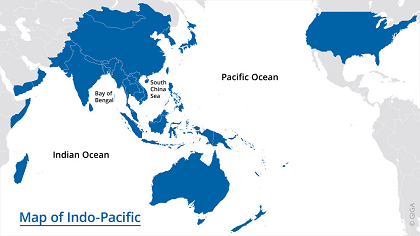
India’s blue economy and the Indo-Pacific’s future

The Indo-Pacific region envisages the Indian and Pacific Oceans as a continuum and stands on two central pillars – maritime security and economic development. The public discussions, however, are focused on maritime security, strategy and geopolitics, while economic development has received less attention. This imbalance can be corrected by creating an awareness on how to harness the potential of the region's Blue Economy and its vast resources and opportunities.

srinagar1 Courtesy: iStock Images
5 July 2022

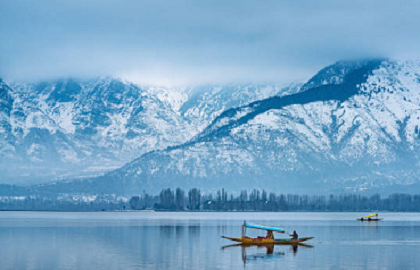
G20 positioning from Srinagar?

Holding one of the G20 meetings in Jammu and Kashmir is a bold, audacious and timely move. It is possible because of the ceasefire along the Line of Control which has been holding since February 25, 2021. The new geopolitical setting offers India an opportunity to diplomatically disdain the Chinese, camping not too far away in the un-demarcated border areas with India.

IMG-1700 Courtesy: @BIMSTECInDhaka
8 June 2022

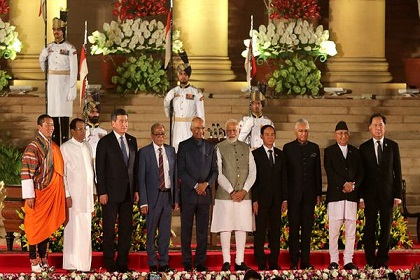
BIMSTEC@25

June 6, 2022, marks 25 years since India, Bangladesh, Sri Lanka, Bhutan, Nepal, Myanmar and Thailand joined hands to create BIMSTEC and infuse South Asia with economic and institutional cooperation. The strategic geography of this grouping has the potential to bring new synergy between South Asia and the recently-instituted Indo Pacific Economic Framework, ASEAN and the Quad, for a prosperous, secure Bay of Bengal Community.

ISRO satellite Courtesy: ISRO
26 May 2022

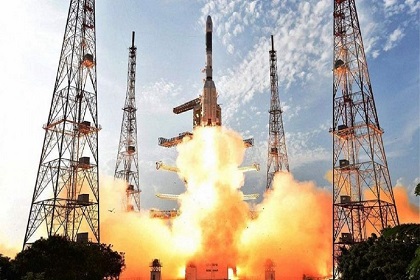
India’s EO satellites in the Indo-Pacific

The Quad has agreed to launch a satellite-based maritime security initiative to curb illegal fishing by China. India is a global leader in satellite launches, especially in Earth Observation (EO) satellites. The Indo-Pacific nations are looking at the Indian model because it is applicable, economical, and sustainable.

bimstec 2 Courtesy: Twitter- BIMSTEC
19 May 2022

Incorporating the Blue Economy into BIMSTEC

The BIMSTEC charter has laid the foundations for a prosperous, peaceful, and sustainable Bay of Bengal region, a goal that can be achieved by greater integration and deeper collaboration. While ensuring continuity with past efforts and strengthening economic cooperation is necessary, it must also realise its potential in newer areas such as the blue economy, which has three interlinked pillars— connectivity, prosperity, and regional stability.

bimstec climate Courtesy: @BimstecInDhaka
12 May 2022

Mainstreaming the climate agenda in BIMSTEC

The rejuvenated BIMSTEC, with a new charter in hand, is now expanding its ambition and mission. One such area is climate change, which needs greater attention as it will have implications for the Bay of Bengal and beyond. With their unique climate conditions and action plans can together create a model for regional cooperation.